
Planning Enterprise IT Infrastructure with a Security-First Approach

Combining Firewall Monitoring with Strategic IT Consulting
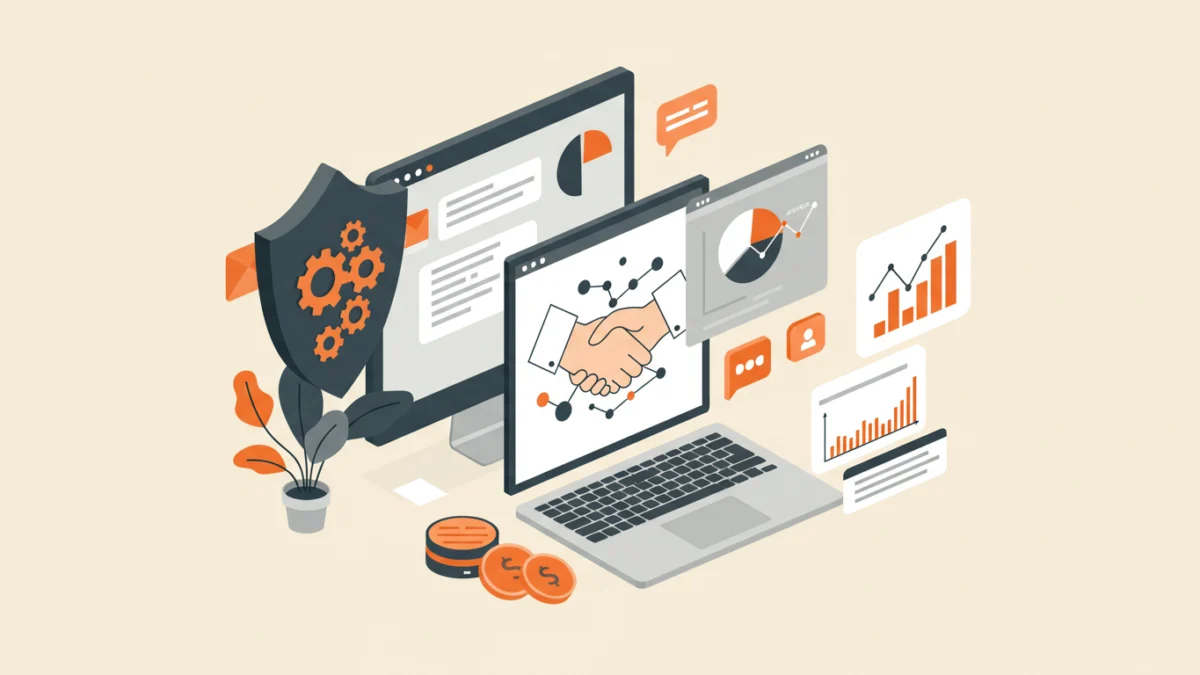
How IT Service Consulting Enhances Outsourced Security
In an era marked by sophisticated cyberattacks and constantly evolving threat vectors, many organizations recognize that maintaining robust security goes beyond deploying point solutions. Rather, integrating strategic advisory—often provided through IT service consulting—into existing security programs can significantly elevate the effectiveness of outsourced IT security services. By aligning business objectives, infrastructure roadmaps, and incident response workflows with expert guidance, companies transform their security posture from reactive to proactive. This article explores how consultative services help organizations maximize the value of managed security, streamline processes, and build resilient defenses that scale with growing threats.
The Role of IT Service Consulting in Modern Security Programs
IT service consulting encompasses a blend of strategic planning, architectural design, and ongoing advisory to ensure technology investments align with organizational goals. In security contexts, consultants evaluate maturity levels, identify capability gaps, and recommend solutions tailored to risk tolerance and compliance obligations. By conducting comprehensive assessments of network topology, application portfolios, and user workflows, consulting teams establish a baseline from which to develop a long-term security roadmap. This planning phase often uncovers hidden vulnerabilities—such as outdated legacy systems, improper access controls, or lack of centralized logging—that, if left unaddressed, undermine the effectiveness of any outsourced arrangement.
Aligning Business Objectives with Outsourced Security Solutions
Successful security programs hinge on translating high-level business priorities—such as protecting customer data, ensuring regulatory compliance, and enabling digital transformation—into measurable technical requirements. IT service consultants bridge this translation gap by engaging stakeholders (CIOs, CISOs, compliance officers) in workshops that map risks to business processes. For instance, if a financial institution prioritizes 24/7 transaction monitoring, the consultant will define Service Level Objectives (SLOs) for its Managed Security Service Provider (MSSP), specifying metrics like Mean Time to Detect (MTTD) and Mean Time to Respond (MTTR). This structured alignment ensures that outsourced IT security services not only detect and respond to threats but do so in a manner directly tied to the organization’s risk appetite and regulatory framework.
Enhancing Outsourced Security with Strategic Architecture Design
A critical area where consultative guidance pays dividends is in selecting and integrating security tools—such as Security Information and Event Management (SIEM), Endpoint Detection and Response (EDR), and Network Detection and Response (NDR). IT service consultants evaluate an organization’s existing technology stack and recommend interoperable solutions that complement the MSSP’s capabilities. For example, a consultant might advise deploying a containerized EDR agent suited for a hybrid cloud environment, ensuring consistent telemetry feeds into the outsourced provider’s SIEM. By designing network segmentation, secure VPN connectivity, and cloud-native security groups, consultants establish resilient architectures that align with best practices (e.g., NIST Cybersecurity Framework) and reduce “blind spots” for the external team. These architecture blueprints not only streamline MSSP onboarding but also facilitate seamless scaling as business needs evolve.
Optimizing Incident Response and Escalation Workflows
When a security incident arises, clarity in roles and processes can mean the difference between swift containment and prolonged disruption. IT service consultants work closely with internal security teams and MSSP analysts to co-author incident response playbooks. These playbooks specify ownership—defining which alerts the outsourced team handles automatically versus those requiring internal developer or legal escalation. For instance, an MSSP may detect anomalous authentication behavior and automatically quarantine the affected endpoint, while incidents involving sensitive customer data triggers a higher-tier response involving the internal CISO. By documenting communication protocols, notification thresholds, and post-incident remediation steps, consulting professionals ensure that both parties respond cohesively, reducing confusion during critical moments.
Continuous Improvement Through Joint Monitoring and Feedback Loops
Security is not static. As threat actors innovate, organizations must adapt their defenses. IT service consulting fosters a culture of continuous improvement by establishing regular review cadences: monthly dashboard reviews, quarterly tabletop exercises, and annual red-team assessments. These sessions leverage MSSP-generated metrics—such as alert volumes, false positive rates, and time-to-resolve figures—to pinpoint areas for refinement. Consultants interpret these data points and propose configuration adjustments—tuning detection rules, refining user behavior analytics, or recommending architectural changes (e.g., migrating from IP-based allowlists to identity-aware proxies). By continuously iterating on both internal processes and outsourced service parameters, organizations maintain alignment with evolving threat intelligence while optimizing operational costs.
Governance, Risk, and Compliance (GRC) Integration
Many industries—healthcare, finance, retail—operate under stringent regulatory regimes (e.g., HIPAA, PCI DSS, GDPR). IT service consulting helps integrate these compliance requirements into third-party contracts, ensuring that MSSP deliverables map directly to audit controls. Consultants draft Service Level Agreements (SLAs) and Key Performance Indicators (KPIs) that track compliance obligations (e.g., encryption standards, retention of audit logs for a specified period, or multi-factor authentication enforcement). They also craft evidence packages—comprising third-party assessment reports, penetration testing results, and policy attestations—that demonstrate due diligence to regulators. This GRC-centric approach not only streamlines audit preparation but also mitigates legal and financial risks by ensuring both internal and external teams maintain consistent control frameworks.
Case Study: A Mid-Sized Firm’s Security Transformation
A mid-sized professional services firm grappled with fragmented security controls, scattered logging, and an overworked internal IT team. After enduring phishing attacks and near-miss ransomware incidents, the firm engaged an IT service consulting group to overhaul its security posture. The consultants began with a gap analysis, identifying outdated firewall rules and lack of centralized event correlation. They then facilitated an MSSP selection process, crafting detailed RFPs that specified requirements for 99.9% uptime, sub-15-minute incident response, and PCI DSS–compliant log retention. Post-selection, consultants designed a network segmentation strategy—isolating client data servers, financial systems, and user workstations into separate VLANs—and integrated these with the provider’s SIEM platform. Within six months, the firm reduced false positive alerts by 65%, accelerated incident response times by 50%, and achieved compliance attestation ahead of schedule. Employees reported greater confidence in digital operations, and executive leadership praised the clear ROI from combined consulting and outsourced security efforts.
Best Practices for Collaborative Partnerships
Achieving synergy between internal teams, IT service consultants, and MSSPs requires clear governance and transparent communication:
- Define Clear Roles & Responsibilities
- Document which security tasks remain internal (e.g., CISO oversight, major architecture decisions) versus those outsourced (e.g., 24/7 log review, vulnerability scanning).
- Establish Shared Dashboards & Reporting
- Use unified platforms (e.g., Splunk, Microsoft Sentinel) where both internal and external teams access real-time security metrics.
- Schedule Regular Executive Briefings
- Monthly reviews with leadership focus on high-level trends—executive summaries rather than technical minutiae—ensuring alignment on budget, risk tolerances, and strategic priorities.
- Maintain Transparency in SLAs & KPIs
- Ensure external providers share detailed incident logs, threat intelligence updates, and remediation steps, fostering a trust-based relationship.
- Invest in Cross-Training
- Rotate internal staff through MSSP environments (and vice versa) to build shared understanding of workflows, terminologies, and incident protocols.
By institutionalizing these best practices, organizations foster a collaborative security culture where consultants and outsourced providers amplify internal capabilities rather than operate in silos.
Conclusion
As cyber threats become more complex and resource constraints tighten, organizations must blend strategic advisory with hands-on management to protect critical assets. IT service consulting provides the framework for translating business objectives, compliance mandates, and risk profiles into actionable security requirements. When paired with outsourced IT security services, this consultative approach maximizes the value of third-party expertise—delivering 24/7 monitoring, rapid response, and advanced threat intelligence—while ensuring alignment with internal priorities. The result is a robust, adaptive security program that evolves with changing threat landscapes, supports digital innovation, and delivers measurable ROI.