Security Outsourcing vs. In-House Monitoring: What Works Best?

How IT Service Consulting Enhances Outsourced Security
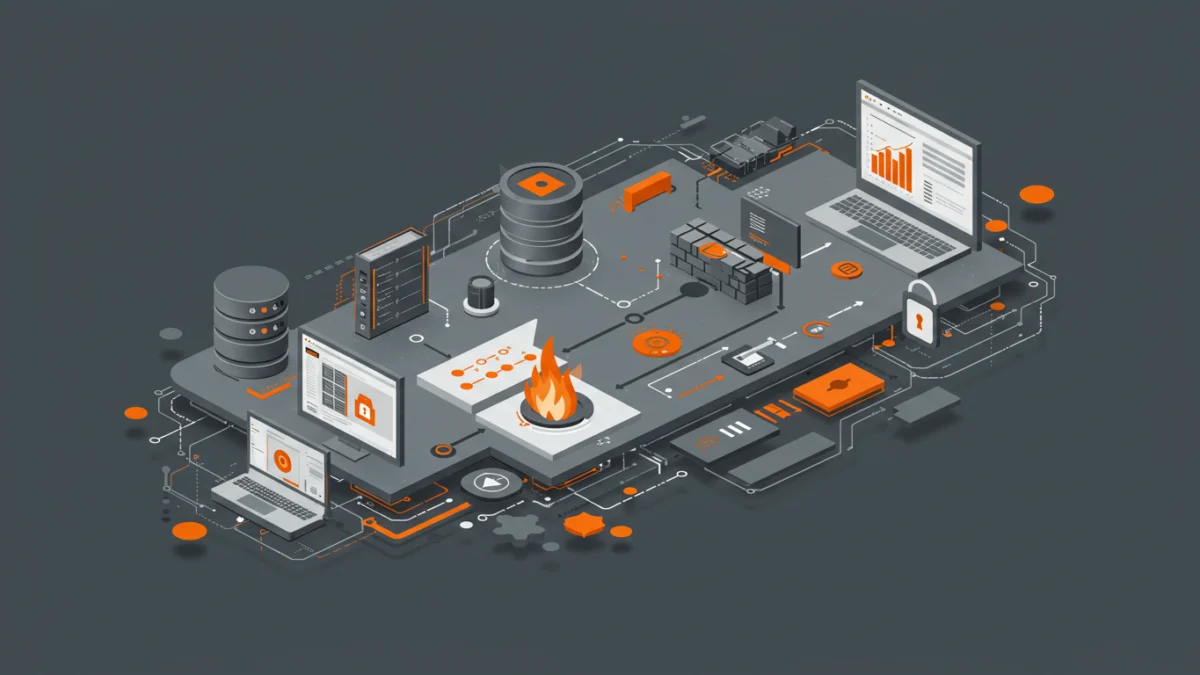
Planning Enterprise IT Infrastructure with a Security-First Approach
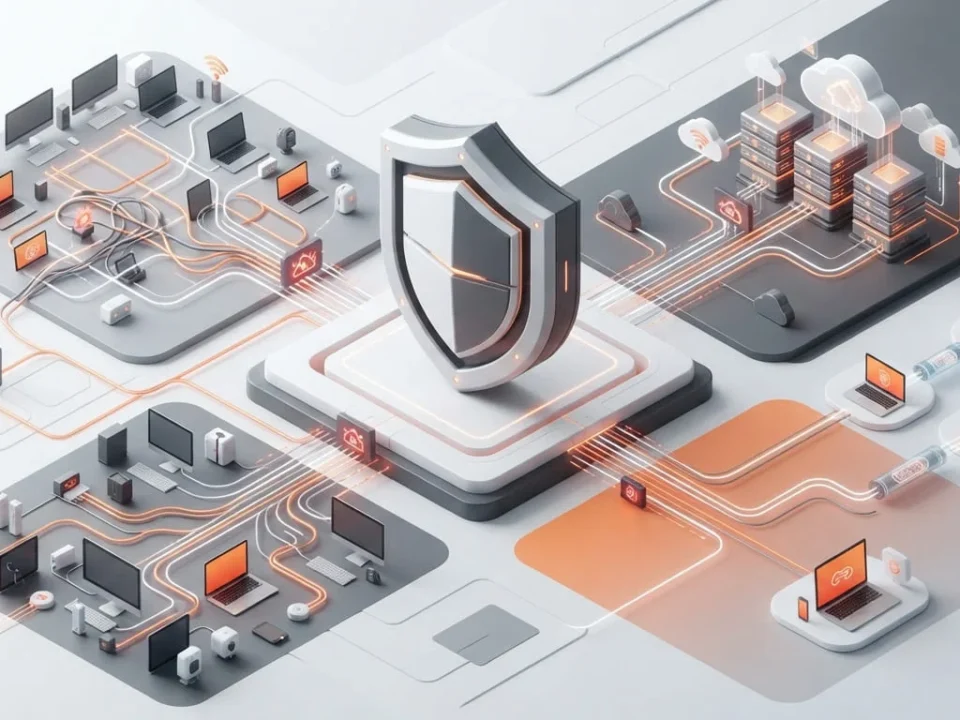
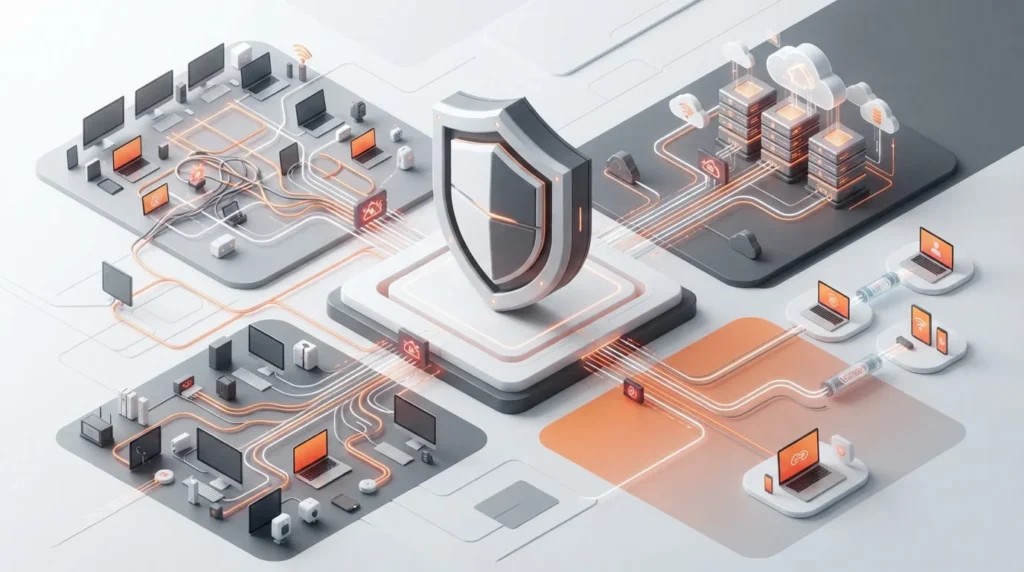
In today’s digital economy, the stakes for building resilient and secure IT environments have never been higher. As organizations grow and adopt complex architectures—spanning on-premises data centers, hybrid cloud deployments, and remote work environments—traditional “bolt-on” security measures prove insufficient. Instead, a security-first approach must inform every decision in planning enterprise IT infrastructure, ensuring that protection mechanisms are integral to the core design rather than afterthoughts. This strategy reduces vulnerabilities, simplifies compliance, and enables rapid recovery from incidents.
Understanding the Security-First Mindset
A security-first philosophy entails embedding protection measures at each stage of infrastructure design. Rather than tacking on firewalls and antivirus software at the end, organizations must anticipate how every component—networks, servers, applications, and user devices—might be exploited. This proactive stance rests on several principles:
- Threat Modeling and Risk Assessment
- Early in the planning phase, security teams, architects, and business stakeholders collaborate to identify assets (e.g., customer databases, intellectual property), potential attackers (external hackers, insider threats), and attack vectors (phishing, unpatched systems).
- Techniques such as STRIDE (Spoofing, Tampering, Repudiation, Information Disclosure, Denial of Service, Elevation of Privilege) help classify threats systematically.
- Risk assessments quantify the likelihood and impact of each threat, guiding where to allocate resources.
- “Shift Left” in Security
- Traditionally, security was applied at deployment or post-deployment. A security-first approach “shifts left,” integrating security requirements into procurement, architecture, and development cycles (DevSecOps).
- Security gates in the software development lifecycle (SDLC) ensure code reviews, dependency checks, and automated vulnerability scans occur before production.
- Zero Trust Principles
- Zero Trust Architecture (ZTA) operates on the mantra “never trust, always verify.” Even internal traffic is subject to continuous authentication, authorization, and validation before being allowed to communicate with critical resources (e.g., databases, management consoles).
- Micro-segmentation breaks the network into smaller zones, each enforcing granular security policies. This limits an attacker’s lateral movement if they breach one segment.
By adopting this mindset, organizations reduce attack surfaces and foster a culture where security is everyone’s responsibility—network engineers, developers, and executive leadership alike.
Core Components of Secure Enterprise IT Infrastructure
A resilient infrastructure incorporates multiple layers of defense, often referred to as defense in depth:
1. Network Architecture and Segmentation
- Segmented Networks
- Dividing the network into zones (e.g., user workstations, application servers, database clusters) ensures that a compromise in one zone does not automatically grant access to others.
- Techniques include Virtual LANs (VLANs), software-defined networking (SDN), and software-defined perimeter (SDP) solutions.
- Secure Routing and Firewalls
- Enterprise-grade firewalls enforce policy-based access control, inspecting traffic for known signatures and anomalous behavior.
- Next-Generation Firewalls (NGFWs) incorporate deep packet inspection (DPI), intrusion prevention systems (IPS), and application awareness to block advanced threats.
- Firewall monitoring services—whether managed internally or outsourced—continuously analyze rule effectiveness, detect misconfigurations, and alert on suspicious activity.
2. Identity and Access Management (IAM)
- Least Privilege and Role-Based Access Control (RBAC)
- Users and services receive only the permissions necessary for their roles. Privileged access reviews occur regularly to revoke stale credentials.
- Multi-Factor Authentication (MFA)
- Implementing MFA for all administrative, remote, and high-risk user accounts significantly reduces the chance of account compromise.
- Identity Federation and Single Sign-On (SSO)
- Federated identity solutions, such as SAML or OAuth, enable centralized policy enforcement and reduce password sprawl.
3. Secure Configuration and Asset Management
- Hardening Guidelines
- Servers, endpoints, and network devices follow documented hardening standards (e.g., CIS Benchmarks). This includes disabling unused services, patching known vulnerabilities, and enforcing secure protocol configurations (TLS 1.2+).
- Configuration Management Databases (CMDBs)
- Maintaining a CMDB ensures visibility into all assets, their configurations, and interdependencies, enabling rapid identification of misconfigurations.
4. Encryption and Data Protection
- Data in Transit
- TLS encryption for web services, VPN tunnels for remote access, and IPsec for site-to-site connections protect data as it moves across networks.
- Data at Rest
- Full-disk encryption, file-level encryption, and database encryption guard against data theft from lost or stolen devices.
- Key Management
- Implementing Hardware Security Modules (HSMs) or key management services (KMS) ensures cryptographic keys are stored and rotated securely.
5. Endpoint Security and Patch Management
- Endpoint Detection and Response (EDR)
- EDR solutions monitor endpoint behavior for malicious patterns, offering visibility and automated containment.
- Automated Patch Deployment
- Regular patch cycles, combined with emergency patch processes for zero-day vulnerabilities, mitigate the window of exposure.
- Mobile Device Management (MDM) and Bring Your Own Device (BYOD) Policies
- Enforcing security policies on employee-owned devices—such as required encryption and approved applications—reduces risk from mobile endpoints.
6. Monitoring, Logging, and Incident Response
- Centralized Logging
- Aggregating logs from firewalls, servers, applications, and endpoints into a Security Information and Event Management (SIEM) platform delivers unified visibility.
- Security Orchestration, Automation, and Response (SOAR)
- Automating playbooks for common incidents (e.g., phishing, malware infections) accelerates response times and reduces human error.
- Threat Intelligence Feeds
- Integrating global threat feeds and industry sharing platforms (e.g., ISACs) helps anticipate new attack vectors and proactively update defenses.
The Role of Compliance and Standards
Adherence to recognized security frameworks and regulations is a cornerstone of secure infrastructure planning. Organizations commonly align with:
- ISO/IEC 27001
- Sets forth requirements for establishing, implementing, maintaining, and continually improving an Information Security Management System (ISMS). Key clauses include risk assessment, security controls selection, and regular audits.
- NIST Cybersecurity Framework (CSF)
- Composed of five functions—Identify, Protect, Detect, Respond, Recover—NIST CSF guides enterprises in building robust security programs. The framework’s flexibility allows customization to organizational contexts.
- PCI DSS (Payment Card Industry Data Security Standard)
- For companies handling payment card data, enforcing standards such as segmentation of payment networks, strong access controls, and vulnerability management is mandatory.
- GDPR & HIPAA
- Data privacy regulations like GDPR and HIPAA impose strict controls on personal and health information. Infrastructure designs must include data-minimization, pseudonymization, and detailed audit trails.
Embedding these frameworks into early planning prevents costly rework and empowers teams to demonstrate due diligence during regulatory audits.
Leveraging Outsourced IT Security Services
Even the most mature security programs can benefit from the expertise of external specialists. Engaging outsourced IT security services provides:
- Access to Specialized Expertise
- Managed Security Service Providers (MSSPs) and Managed Detection and Response (MDR) firms employ certified professionals—often including CISSP, CISM, and CEH credentials—who continuously monitor for emerging threats and tailor defenses accordingly.
- Scalable 24/7 Monitoring
- Building a round-the-clock SOC internally can be cost-prohibitive. Outsourced providers maintain dedicated security operations teams, equipped with advanced SIEM, EDR, and threat hunting platforms, ensuring continuous visibility.
- Rapid Incident Response
- Predefined Service Level Agreements (SLAs) guarantee accelerated response times. When an alert triggers, the provider’s analysts investigate, contain, and remediate threats swiftly—often mitigating damage before internal teams even register the event.
- Cost Predictability and Resource Optimization
- Flexible pricing models (per endpoint, per user, or flat-rate) transform unpredictable capital expenses into manageable operating expenses. Organizations can allocate internal resources to strategic projects rather than routine security maintenance.
- Up-to-Date Threat Intelligence
- Leading MSSPs subscribe to global threat intelligence feeds, dark web monitoring, and industry sharing platforms (ISACs), ensuring that defense strategies evolve in lockstep with attacker tactics.
- Compliance Assistance
- Outsourced security teams guide organizations through compliance audits, generating required documentation (e.g., audit logs, incident reports) and recommending remediations.
By integrating outsourced services into core planning, enterprises can augment internal capabilities and focus on growth, innovation, and mission-critical functions.
Integrating Security into Infrastructure Planning
Successfully embedding security into infrastructure planning requires collaboration among multiple stakeholders:
- Cross-Functional Teams
- Security architects, network engineers, application developers, and business leaders must collaborate from project inception. This alignment ensures that security controls do not impede operational workflows or user experience.
- Secure Architecture Blueprints
- Documenting reference architectures—detailing network segmentation, encryption standards, identity flows, and backup/recovery procedures—provides a reusable framework for future projects.
- Early Vetting of Technologies
- Evaluating hardware and software vendors for built-in security features (e.g., secure boot, Trusted Platform Modules) prevents cascading vulnerabilities.
- Budgeting for Security
- Allocating at least 10–15% of total IT budget to security planning, tools, personnel, and training ensures that protective measures receive priority and aren’t cut during financial reviews.
- Governance and Accountability
- Defining ownership for security tasks—such as patch management (engineering team), vulnerability assessments (security team), and incident response (dedicated SOC or outsourced provider)—establishes clear roles, speeding up decision-making.
- Continuous Improvement
- Post-implementation reviews, tabletop exercises, and red-teaming engagements reveal gaps and drive iterative enhancements, ensuring that security posture remains robust against evolving threats.
Case Example: Deploying a Security-First Hybrid Cloud Architecture
Background: A multinational retailer needed to modernize its on-premises data centers by adopting a hybrid cloud model to support e-commerce, point-of-sale, and supply-chain systems across multiple regions.
Approach:
- Stakeholder Workshops: Cross-functional teams—including IT infrastructure, security, compliance, and operations—conducted workshops to map business requirements, data flows, and regulatory obligations (e.g., PCI DSS, GDPR).
- Threat Modeling and Risk Assessment: Using STRIDE, the team identified high-value assets (e.g., customer payment data, inventory systems) and prioritized controls accordingly.
- Hybrid Architecture Blueprint:
- On-premises data centers in North America and Europe acted as primary failover sites.
- AWS and Azure environments hosted e-commerce microservices with automated auto-scaling.
- Zero Trust principles governed access to both on-prem and cloud resources, leveraging AWS IAM, Azure AD, and third-party identity providers.
- Network Segmentation and Secure Connectivity:
- Implemented Software-Defined WAN (SD-WAN) to ensure encrypted, low-latency connectivity between data centers and cloud environments.
- Deployed Next-Generation Firewalls with managed firewall monitoring services to inspect inter-zone traffic and detect anomalies.
- Compliance-Driven Controls:
- Encryption-at-rest for customer data using AWS KMS and Azure Key Vault.
- Real-time DLP (Data Loss Prevention) policies enforced on sensitive PII fields.
- Integrated SIEM with Splunk Enterprise Security for centralized logging and compliance dashboards (HIPAA, PCI).
- Outsourced IT Security Services Partnership:
- Engaged an MSSP to provide 24/7 monitoring, incident response, and threat intelligence.
- Established SLAs guaranteeing response within 15 minutes of critical alerts.
- Outsourced vulnerability scanning and penetration testing to third-party experts, delivering quarterly reports.
Outcomes:
- Achieved 99.99% uptime for e-commerce services, even during peak holiday periods.
- Detected and blocked advanced persistent threats (APTs) during initial testing phases.
- Streamlined compliance audits, reducing annual audit preparation time by 40%.
- Strengthened customer trust with improved data protection, contributing to a 15% increase in online transactions.
Conclusion
In a world where cyber threats grow more sophisticated daily, planning enterprise IT infrastructure with a security-first approach is non-negotiable. By embedding security into every design decision—embracing Zero Trust, robust encryption, and continuous monitoring—organizations create resilient systems capable of defending against modern attacks. Partnering with external experts through outsourced IT security services further enhances this posture, providing specialized expertise, 24/7 threat detection, and scalable response capabilities. Ultimately, integrating security from the outset empowers businesses to innovate confidently, remain compliant, and maintain stakeholder trust in an ever-evolving threat landscape.