
How IT Service Consulting Enhances Outsourced Security
Why Outsourcing Vulnerability Management Is a Game‑Changer for SMBs
Combining Firewall Monitoring with Strategic IT Consulting
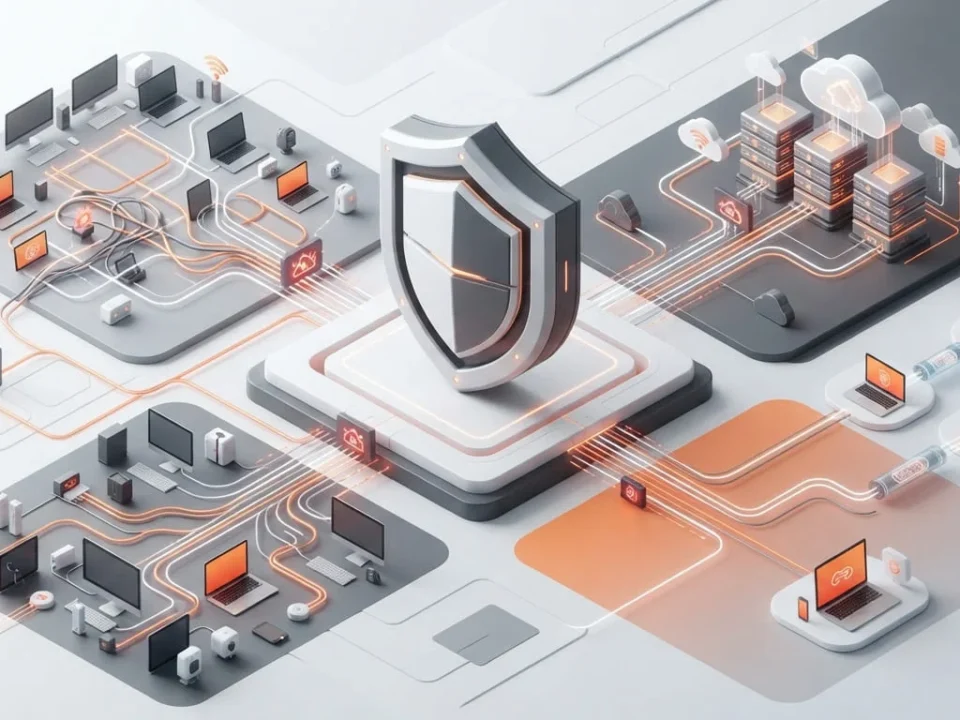
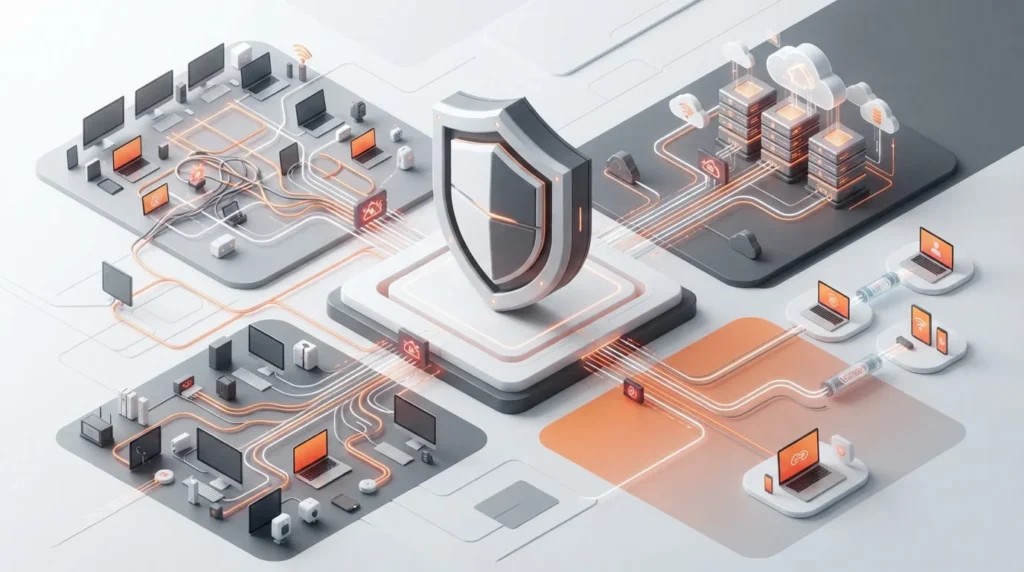
In today’s complex threat landscape, perimeter defense is no longer sufficient. Cybercriminals continually innovate, leveraging zero-day exploits, credential stuffing, and advanced persistent threats (APTs) that can bypass traditional firewalls. As a result, organizations must adopt a layered security model wherein firewall monitoring is tightly integrated with strategic guidance—often delivered through services it consulting—to maximize visibility, reduce risk, and ensure seamless incident response. By meshing expert consulting with robust firewall telemetry, businesses can proactively identify anomalies, refine policies, and align infrastructure controls with overarching corporate objectives.
The Evolving Role of Firewalls
Modern firewalls—often classified as Next-Generation Firewalls (NGFWs)—do far more than simply filter ports. They perform deep packet inspection (DPI), enforce application-level policies, and integrate intrusion prevention systems (IPS) directly into their rule sets. According to Gartner, NGFW adoption has grown by over 30% annually, driven by the need for granular control over east-west traffic within data centers (Gartner, “Market Guide for Firewall”). However, deploying an NGFW is only the first step. Without continuous oversight, misconfigurations and stale rules can render these devices less effective over time.
Common Pitfalls Without Active Monitoring
- Rule Bloat and Shadow Rules
Organizations frequently accumulate redundant or conflicting rules. Over time, rulebases become unwieldy, leading to unexpected traffic flows or inadvertent exposures. SANS Institute research shows that over 50% of firewall rules in large enterprises are never used or duplicate existing entries (SANS, “Firewall Rule Management”). - Alert Fatigue and False Positives
Logs containing thousands of accepted and dropped connections daily can quickly overwhelm IT teams. Without proper tuning, monitoring tools generate excessive false positives, masking genuine threats. - Lack of Contextual Insight
Raw logs—while voluminous—do not inherently reveal the business impact of an event. For example, a blocked SSH attempt from an unrecognized IP may signify a benign misconfiguration rather than a brute-force attack.
These shortcomings underscore the importance of specialized firewall monitoring services that analyze logs, correlate events with threat intelligence, and extract actionable insights. When combined with strategic IT consulting, organizations gain both tactical oversight and long-term planning necessary to maintain a secure posture.
Strategic IT Consulting: Elevating Firewall Effectiveness
While firewall monitoring services provide real-time visibility into network traffic, services it consulting offers the architectural perspective needed to ensure firewalls operate as intended. Consulting engagements typically begin with a comprehensive security assessment covering network topology, existing firewall configurations, and organizational risk tolerance. Key deliverables include:
- Architectural Review and Optimization
Consultants map data flows, identify critical assets, and propose segmentation models that limit lateral movement. This review often uncovers previously unmonitored network segments, allowing for more precise rule definitions. - Policy Rationalization and Cleanup
By examining rule utilization statistics and business requirements, consultants recommend removing obsolete rules, consolidating overlapping entries, and tightening access controls. According to Cisco’s “Firewall Best Practices,” a well-configured ruleset can reduce administrative overhead by 40% and improve throughput by up to 20%. - Integration Roadmap for SIEM and SOAR
Strategic advisers help organizations select and configure Security Information and Event Management (SIEM) platforms to ingest firewall logs, correlate events with endpoint and application data, and automate incident triage workflows. Security Orchestration, Automation, and Response (SOAR) capabilities further ensure that high-priority alerts trigger the appropriate response playbooks without manual intervention.
In essence, consulting transforms raw firewall logs—often overwhelming in volume—into a structured program aligned with business continuity, compliance, and ROI objectives.
Designing a Unified Monitoring Architecture
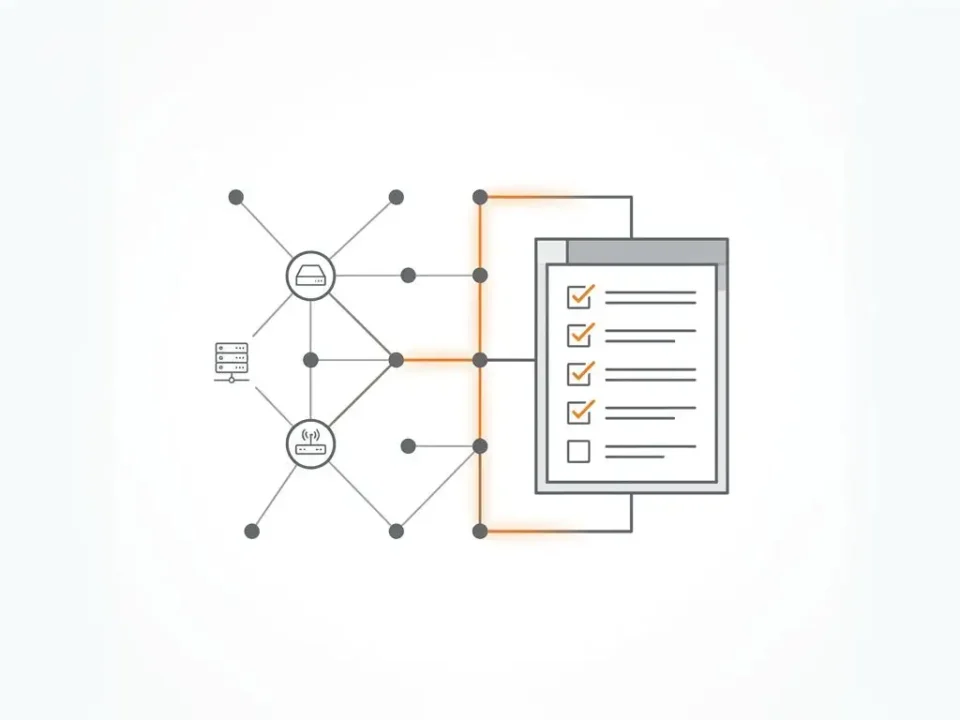
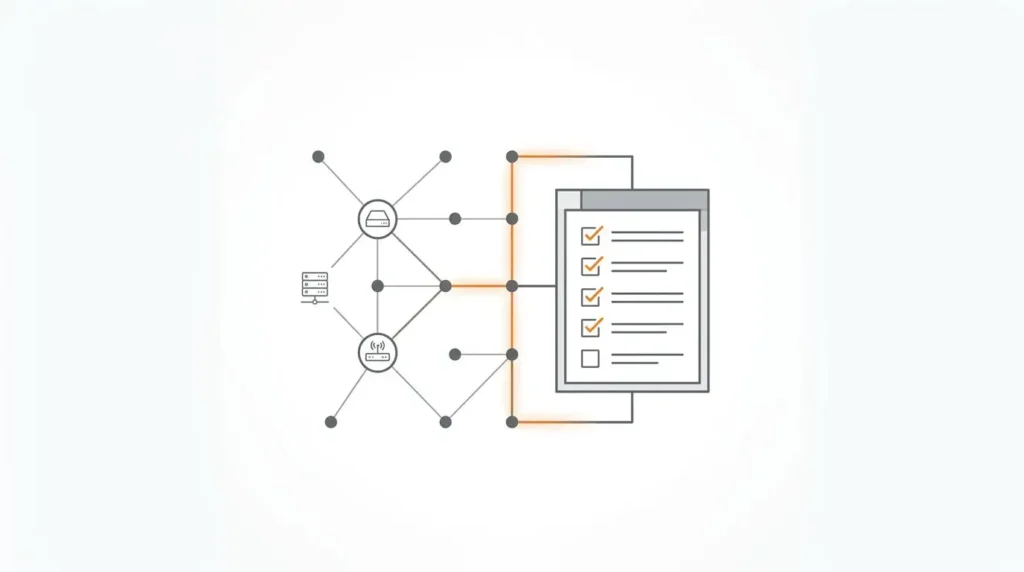
A successful integration of firewall monitoring and strategic consulting follows a structured implementation roadmap:
- Discovery and Baseline Assessment
- Inventory all firewall devices (physical and virtual) and catalog their firmware versions, rulebases, and logging configurations.
- Identify critical network segments—such as payment systems, customer databases, and privileged administration networks—requiring enhanced scrutiny.
- Data Aggregation and Normalization
- Forward firewall syslogs (via syslog, TLS, or JSON over HTTPS) to a centralized SIEM or log analytics platform (e.g., Splunk, ELK, or Microsoft Sentinel).
- Normalize fields (source/destination IP, port, protocol, action, username) to enable consistent correlation across heterogeneous firewall vendors.
- Rule Tuning and Threat Intelligence Feeds
- Integrate real-time threat intelligence (blacklists, reputation data) to block traffic from known malicious sources.
- Leverage machine learning models—either native to the SIEM or via cloud-delivered services—to automatically adjust thresholds, reducing false positives over time.
- Alerting and Automated Response
- Define tiered alert levels (Info, Low, Medium, High, Critical) based on business impact—for example, a denied connection to a finance database might be “Critical,” whereas a blocked ad server request is “Info.”
- Use SOAR playbooks to automate containment: quarantining a compromised endpoint, updating firewall deny-lists, or raising tickets in ITSM tools (e.g., ServiceNow).
- Continuous Improvement and Consulting Feedback Loops
- Schedule quarterly reviews where consultants analyze aggregated metrics: number of blocked threats, top source countries, most targeted services.
- Update segmentation models and firewall policies based on evolving threat patterns—particularly relevant when organizations adopt new technologies (e.g., Kubernetes, cloud-native apps).
By following this architecture, organizations maintain a robust security posture that adapts to emerging threats. Importantly, the combination of real-time monitoring and strategic consulting ensures that the firewall remains a dynamic sentinel, not a static appliance.
Incident Response: Coordinated Roles and Responsibilities
When an incident arises, clarity in roles ensures swift resolution. A well-orchestrated response involves:
- MSSP or Internal NOC Team
- Primary Responsibilities: Triage initial firewall alerts, enrich them with threat intelligence, and determine if escalation is necessary.
- Automated Actions: Trigger network quarantine, block suspicious IPs, or throttle anomalous traffic spikes.
- Internal Security Operations Center (SOC)
- Primary Responsibilities: Deep-dive investigations, validate attack impact, and coordinate with developers or system administrators for remediation.
- Collaboration with Consultants: Consultants assist in refining playbooks, recommending long-term architecture changes to close identified gaps.
- IT Service Consulting Team
- Primary Responsibilities: Post-incident root cause analysis, strategic recommendations for architecture redesign, and updating documentation to prevent recurrence.
- Legacy System Integration: Ensuring that older appliances—often overlooked in day-to-day operations—receive appropriate attention in remediation plans.
For example, if a zero-day exploit targets a widely used web application server, the MSSP’s firewall monitoring services might detect unusual POST requests to a known vulnerable endpoint. The SOC then validates whether this event constitutes an active attack and determines the scope of compromise. Post containment, the consulting team leads a packet-level forensic review and recommends deploying a web application firewall (WAF) module—aligned with existing firewalls—to block similar exploits in the future.
Case Study: Manufacturing Firm Eliminates Blind Spots
A global manufacturing company struggled with disparate firewalls across multiple factories, distribution centers, and corporate offices. Despite collecting logs centrally, no one knew whether policies aligned with the evolving network changes—firewall rules were modified locally to accommodate urgent business needs, often without recalibration.
Key Challenges Identified by Consultants:
- Inconsistent rule naming conventions led to confusion.
- Multiple rule duplicates existed across sites, increasing management overhead.
- Lack of automated monitoring meant that compromised IoT devices transmitted unfiltered traffic into corporate systems.
Consulting & Monitoring Intervention:
- The consulting team standardized rule naming and enforced a “one-rule, one-purpose” principle.
- They proposed a hub-and-spoke architecture wherein all site firewalls forwarded normalized logs to a centralized SIEM.
- Integrated threat intelligence feeds to block IoT botnet traffic on the perimeter, leveraging MSSP-driven firewall monitoring services.
Results:
- Reduction in rule count by 40%, resulting in 30% faster packet processing on legacy appliances.
- Detecting and blocking malicious IoT communications improved network performance by 15%.
- Quarterly reviews guided by consultants ensured that new factory deployments complied with the updated rule framework.
This example demonstrates how strategic consulting and real-time monitoring can transform fragmented firewall deployments into a cohesive, risk-aware network.
Best Practices for Sustained Effectiveness
- Adopt a Rule Lifecycle Management Process
- Document every rule: purpose, owner, creation date, and last review date.
- Implement automated reminders to review stale or unused rules quarterly.
- Integrate Threat Intelligence Proactively
- Subscribe to reputable feeds (e.g., AlienVault OTX, FireEye) and merge IP/domain blacklists into firewall rulesets.
- Ensure Cross-Functional Communication
- Conduct monthly touchpoints between internal IT, MSSP analysts, and consulting liaisons to align on new services, planned maintenance, and emerging threats.
- Leverage Security Automation
- Use SOAR tools to automatically ingest firewall alerts, enrich them with contextual data (user, endpoint, geolocation), and launch pre-defined playbooks for containment and remediation.
- Measure and Refine
- Track metrics such as blocked connections, mean time to detect (MTTD), and false positive rates.
- Consultants should interpret these metrics to recommend policy updates or additional security controls (e.g., advanced malware sandboxing).
Conclusion
Pairing firewall monitoring services with services it consulting creates a dynamic defense mechanism that not only detects and blocks threats in real time but also aligns security with long-term business objectives. By embedding strategic guidance into firewall operations, organizations achieve greater visibility, reduce misconfigurations, and build an agile security posture capable of scaling with evolving infrastructure needs. In an age where perimeter boundaries blur and attackers become more sophisticated, this combined approach ensures that firewalls remain a vital, adaptive component of a comprehensive cybersecurity program.