
Network Security for Remote Workforces: VPNs, Firewalls, and Beyond

DNS Security: Protecting Your Network from DNS Spoofing and Poisoning
Understanding Network Access Control (NAC) and Its Role in Cybersecurity
Introduction
In today’s rapidly evolving digital environment, maintaining robust network security is more critical than ever. With organizations expanding their digital footprints and adopting hybrid and remote work models, controlling who and what can access corporate networks has become a top priority. This is where Network Access Control (NAC) plays a crucial role. NAC acts as a gatekeeper, ensuring that only authorized users and compliant devices can connect to critical systems, helping organizations safeguard sensitive data and maintain a strong security posture.
What is Network Access Control (NAC)?
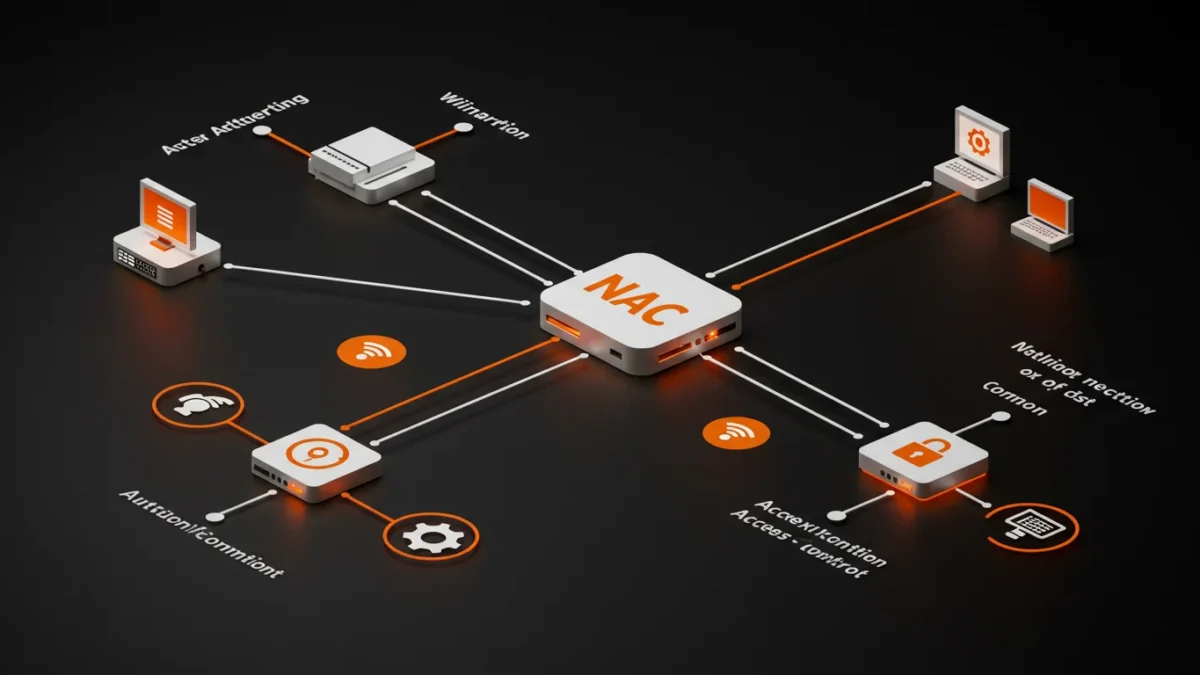
Network Access Control (NAC) is a security framework designed to manage and regulate access to a network based on predefined security policies. It authenticates users and devices before granting network access, ensuring that only trusted entities can connect. By evaluating devices for compliance—such as up-to-date software, active firewalls, and antivirus protection—NAC ensures a consistent level of security across all endpoints.
A vital aspect of NAC is its adaptability to various network environments, from on-premises infrastructures to complex cloud security ecosystems. As more organizations migrate to cloud-based solutions, NAC has evolved to extend its controls into virtual environments, ensuring comprehensive protection regardless of where data and resources are hosted.
Core Components of NAC Systems
- Authentication and Authorization:
NAC verifies user identities and device integrity before granting access, reducing the risk of unauthorized breaches. - Policy Enforcement:
Security policies determine who can access specific resources and under what conditions, ensuring that sensitive data remains protected. - Real-Time Monitoring:
Continuous surveillance of network traffic allows IT teams to detect anomalies and prevent potential threats. - Endpoint Security Checks:
Devices are scanned for compliance with security standards, improving overall IT hygiene by ensuring only properly configured systems can connect.
How NAC Enhances Cybersecurity
NAC significantly bolsters cybersecurity by providing granular control over network access. By continuously monitoring devices and users, it mitigates risks such as:
- Unauthorized Access: Only authenticated users and verified devices can connect to the network.
- Malware Spread: Infected devices can be isolated automatically, preventing the spread of malicious software.
- Insider Threats: NAC limits lateral movement within networks, reducing the risk of internal attacks.
Moreover, by enforcing strict security protocols and regular compliance checks, NAC promotes strong IT hygiene, reducing vulnerabilities that cybercriminals often exploit.
NAC and Cloud Security Integration
As organizations increasingly rely on cloud-based platforms, integrating NAC with cloud security measures has become essential. Traditional perimeter-based security models fall short in dynamic cloud environments, making NAC a valuable tool for extending access controls beyond on-premises infrastructure.
By deploying cloud-compatible NAC solutions, businesses can maintain consistent access policies across hybrid environments. This ensures that users connecting to cloud resources undergo the same authentication and compliance checks as those accessing on-site systems.
Challenges in Implementing NAC
While NAC offers significant benefits, its implementation comes with challenges:
- Scalability: Adapting NAC to large, dynamic networks requires careful planning and resources.
- Complexity: Integrating NAC with existing systems can be technically demanding, especially in hybrid environments.
- User Experience: Overly strict policies can hinder user productivity if not carefully balanced.
To overcome these challenges, many organizations choose to hire cyber security experts who specialize in NAC deployment and management. These professionals can tailor NAC strategies to fit specific business needs, ensuring optimal security without compromising network performance.
Best Practices for Effective NAC Deployment
- Conduct Thorough Network Assessments:
Identify potential vulnerabilities and high-risk areas before implementing NAC. - Define Clear Access Policies:
Establish rules for different user roles and device types to control access appropriately. - Educate Employees:
Train users on security best practices to reduce the risk of accidental breaches. - Regularly Update Security Policies:
Continuously refine NAC rules to adapt to evolving threats and changing business needs. - Monitor and Audit:
Conduct regular audits to ensure compliance and identify potential security gaps.
Conclusion
Network Access Control (NAC) plays a vital role in strengthening organizational cybersecurity by ensuring that only authorized users and compliant devices can access network resources. Its ability to enforce security policies, monitor network activity, and reduce vulnerabilities makes it a critical component of modern security strategies. As businesses continue to evolve, integrating NAC with broader security frameworks ensures resilient and adaptive protection against emerging cyber threats.
Sources
- National Institute of Standards and Technology (NIST) – Cybersecurity Framework
NIST Cybersecurity Framework - Cisco – What is Network Access Control (NAC)?