Understanding Network Access Control (NAC) and Its Role in Cybersecurity

Cybersecurity Mesh Architecture: The Future of Network Defense?
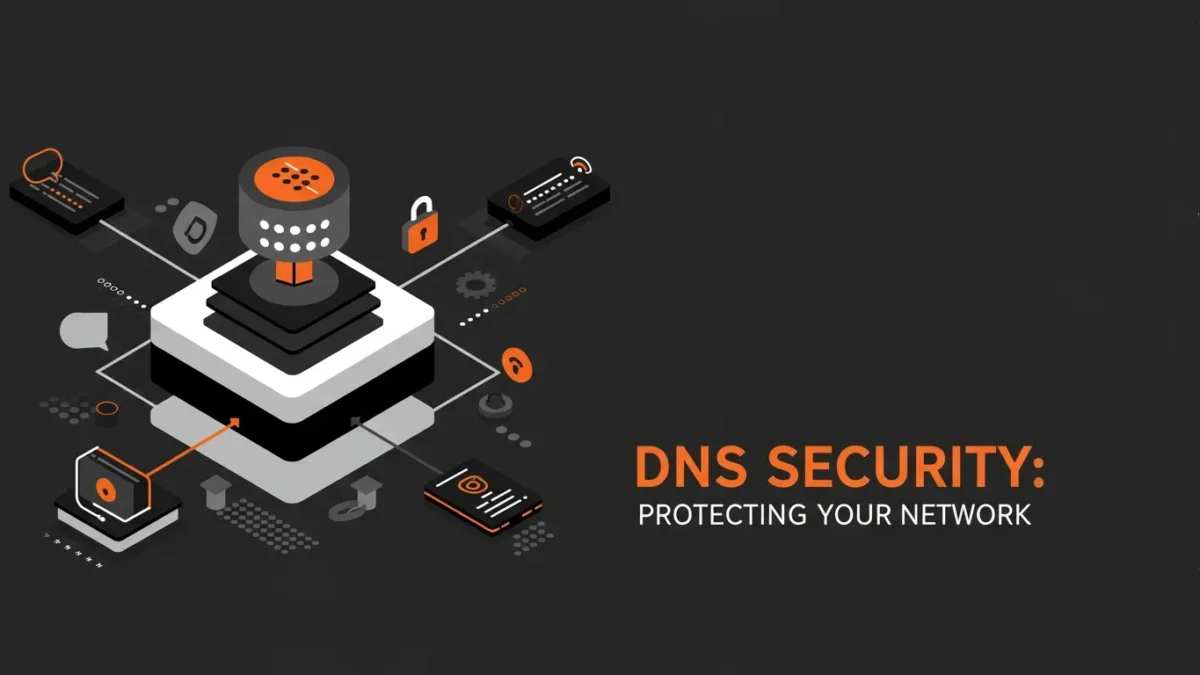
DNS Security: Protecting Your Network from DNS Spoofing and Poisoning
Introduction
The Domain Name System (DNS) serves as the backbone of internet functionality, translating domain names into IP addresses that devices use to communicate. While DNS is essential for seamless connectivity, it remains a frequent target for cybercriminals. Attacks like DNS spoofing and DNS cache poisoning can redirect users to malicious sites, compromise sensitive data, and severely damage an organization’s reputation. Ensuring network protection requires robust DNS security strategies capable of defending against these increasingly sophisticated threats.
Understanding DNS and Its Vulnerabilities
DNS acts as the internet’s address book, but its open nature makes it vulnerable to exploitation. Two of the most common DNS-based attacks are:
- DNS Spoofing (or DNS Cache Poisoning): In this attack, cybercriminals inject false DNS records into a resolver’s cache, causing legitimate domain requests to be redirected to malicious sites.
- DNS Hijacking: This involves attackers taking control of DNS settings, often leading users unknowingly to harmful websites.
Such attacks not only disrupt operations but also expose networks to data theft, phishing schemes, and malware infections, highlighting the need for strong DNS security measures as part of a broader network protection strategy.
The Risks and Consequences of DNS Attacks
DNS attacks can have severe implications for businesses:
- Data Breaches: Redirected traffic can expose sensitive information, including login credentials and financial data.
- Operational Downtime: Manipulated DNS records can make services inaccessible, leading to productivity losses.
- Reputation Damage: Customers who fall victim to phishing or malware via compromised DNS are less likely to trust the affected organization.
- Financial Losses: Downtime, breach costs, and potential legal liabilities can have long-lasting financial impacts.
Given these risks, organizations must deploy effective DNS security protocols to ensure resilient network protection against such threats.
Core Strategies for DNS Security
To guard against DNS spoofing and poisoning, organizations should adopt a multi-layered defense approach:
- Implement DNSSEC (Domain Name System Security Extensions):
DNSSEC adds cryptographic signatures to DNS data, ensuring that DNS responses haven’t been tampered with. By verifying data authenticity, DNSSEC mitigates the risk of users being redirected to malicious sites. - Use Encrypted DNS Protocols (DoH/DoT):
DNS over HTTPS (DoH) and DNS over TLS (DoT) encrypt DNS queries, preventing unauthorized interception and manipulation during transit. - Deploy Cyber Security Monitoring Solutions:
Real-time monitoring tools can detect unusual DNS traffic patterns, flag potential threats, and initiate countermeasures. These cyber security monitoring solutions help identify and block DNS-based attacks before they impact users. - Conduct Regular Security Audits:
Periodic reviews of DNS configurations can identify vulnerabilities, outdated settings, and misconfigurations that attackers might exploit. - Apply Strict Access Controls:
Limiting who can alter DNS settings reduces the risk of unauthorized changes that could compromise network integrity.
Enhancing Network Protection Against DNS Threats
DNS security should not operate in isolation. Instead, it must be part of a comprehensive network protection framework that includes:
- Firewalls and Intrusion Prevention Systems (IPS): These can be configured to monitor DNS traffic and block malicious activities.
- Anti-Spoofing Filters: Using filters and access control lists helps prevent attackers from injecting falsified DNS data into a network.
- Endpoint Security: Ensuring all devices connected to the network have up-to-date antivirus and anti-malware software further reduces vulnerabilities.
Integrating DNS security into a broader cybersecurity strategy creates a multi-layered defense, limiting the attack surface and improving overall resilience.
Leveraging Outsourced Server Support for DNS Security
Managing DNS security in-house can be complex and resource-intensive. Many organizations opt for outsourced server support to handle the intricacies of DNS management. This approach offers several benefits:
- 24/7 Monitoring: External teams provide continuous oversight, ensuring threats are identified and neutralized quickly.
- Expertise in DNS Security: Providers bring specialized knowledge and experience, ensuring that DNS systems are configured following best practices.
- Scalability: As organizations grow, outsourced providers can easily scale DNS security measures to meet new demands.
- Cost-Efficiency: Outsourcing eliminates the need for hiring and training in-house specialists, reducing overhead costs while maintaining strong security standards.
By utilizing outsourced server support, businesses can maintain a robust DNS security posture without overburdening internal IT teams.
Integrating DNS Security into a Comprehensive Cybersecurity Strategy
DNS security should function as a key component of an organization’s broader cybersecurity framework. Integrating DNS protection with other cyber security monitoring solutions enables proactive threat detection and enhances incident response capabilities.
Best practices include:
- Employee Education: Train staff to recognize phishing attempts and other tactics that exploit DNS vulnerabilities.
- Multi-Factor Authentication (MFA): Applying MFA across systems makes it harder for attackers to gain unauthorized access, even if they succeed in a DNS attack.
- Regular Backups: Maintain up-to-date backups of DNS records and system configurations to allow quick restoration in case of an attack.
A layered security approach, combined with continuous monitoring and expert oversight, significantly reduces the risk of DNS-based threats.
Conclusion
DNS security is a critical component of modern network protection. By understanding the mechanisms of DNS spoofing and poisoning, implementing robust security measures, and considering outsourced server support, organizations can effectively safeguard their networks. Proactive strategies and continuous vigilance are paramount in defending against DNS-based attacks, ensuring the integrity and reliability of your digital infrastructure.
Sources
- BlueCat Networks – What is DNS poisoning (DNS spoofing) and how to prevent it
- SecureW2 – Top 6 Ways To Prevent Your Network From DNS Poisoning Attacks