
Security Operations Centers (SOC): Should You Build In-House or Outsource?

Why Businesses Should Outsource Network Administration Instead of Hiring In-House Teams
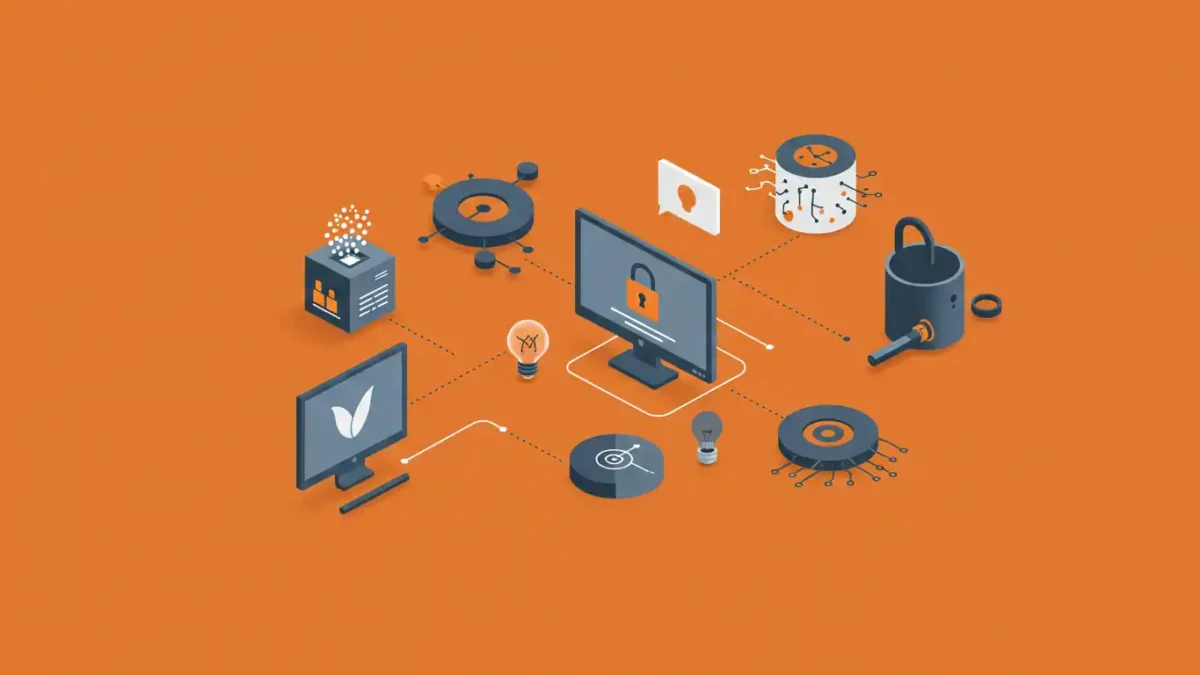
The Top Cybersecurity Challenges Businesses Face in 2025—and How Experts Solve Them
Introduction
As technology advances, so do cyber threats. Businesses in 2025 will face an increasingly complex cybersecurity landscape, requiring strategic approaches to defend against sophisticated attacks. Cybercriminals are leveraging artificial intelligence (AI), automation, and evolving hacking techniques to exploit vulnerabilities faster than ever before. Organizations that fail to stay ahead risk data breaches, financial losses, and reputational damage.
Effective cybersecurity management and leadership are essential to navigating these challenges. Business leaders must integrate security into their overall strategy, ensuring proactive risk mitigation and compliance with industry regulations. In this article, we explore the biggest cybersecurity threats businesses will encounter in 2025 and the expert-driven solutions that can mitigate them.
The Biggest Cybersecurity Challenges in 2025
1. AI-Powered Cyberattacks
AI is revolutionizing cybersecurity—but it’s also being weaponized by hackers. Malicious AI can:
- Automate sophisticated phishing campaigns using deepfake technology.
- Generate polymorphic malware that constantly changes to evade detection.
- Conduct large-scale brute-force attacks more efficiently than human hackers.
Solution: Organizations must adopt AI-powered security tools that analyze behavior patterns, detect anomalies, and respond to threats in real-time.
2. Ransomware Evolution
Ransomware is no longer just about encrypting data. In 2025, cybercriminals employ double extortion, threatening to leak stolen data if ransom demands are not met. Ransomware-as-a-Service (RaaS) enables even low-skilled hackers to launch devastating attacks.
Solution: Businesses need robust data backup strategies, endpoint detection and response (EDR) solutions, and cyber awareness training to prevent employees from falling victim to ransomware schemes.
3. Zero-Day Exploits & Supply Chain Attacks
Hackers are exploiting vulnerabilities in third-party software before security patches can be released. Attackers increasingly target supply chains, compromising vendors to infiltrate multiple businesses at once.
Solution: Companies should implement vulnerability management programs, conduct regular software audits, and enforce strict supply chain security policies.
4. Cloud Security Risks
With the growing adoption of cloud computing, misconfigurations remain a top security risk. Unsecured cloud storage and weak access controls leave sensitive data vulnerable to breaches.
Solution: Implementing Zero Trust architecture, multi-factor authentication (MFA), and automated cloud security assessments can significantly reduce risk.
5. Insider Threats & Social Engineering
Employees remain a weak link in cybersecurity. Malicious insiders and human error contribute to data breaches, often through phishing scams or misconfigured security settings.
Solution: Security awareness training, strict access controls, and behavioral monitoring can help prevent insider threats and social engineering attacks.
How Cybersecurity Experts Address These Challenges
1. AI-Powered Defense Mechanisms
Cybersecurity teams use AI-driven tools to combat AI-powered threats. Machine learning algorithms analyze network behavior, detect anomalies, and automate incident responses before attacks escalate.
2. Advanced Incident Response & Threat Intelligence
Businesses are investing in threat intelligence platforms to predict and counteract cyber threats. By monitoring global attack patterns, organizations can anticipate vulnerabilities before they are exploited.
3. Ethical Hacking and Red Team Testing
Ethical hacking plays a critical role in identifying security flaws before attackers do. Red teams conduct controlled cyberattacks to test the effectiveness of an organization’s security infrastructure, helping businesses strengthen their defenses.
4. Cloud Security Best Practices
Companies are adopting secure cloud frameworks, implementing encryption protocols, and leveraging automated security solutions to protect cloud environments from unauthorized access.
5. Employee Training & Security Awareness
Leadership teams are prioritizing cybersecurity awareness programs to educate employees about phishing scams, password hygiene, and social engineering tactics. Cybersecurity experts emphasize the importance of making security a shared responsibility across all departments.
The Importance of Cybersecurity Leadership in 2025
Cybersecurity is no longer just an IT issue—it is a critical business function that requires strategic decision-making. Cybersecurity management and leadership must drive initiatives that align security with business objectives. This includes:
- Developing company-wide security policies and risk management frameworks.
- Ensuring compliance with global cybersecurity regulations.
- Investing in cutting-edge security technologies to mitigate evolving threats.
Proactive leadership ensures that security strategies are not only reactive but also predictive, reducing the likelihood of breaches before they occur.
Future Trends in Cybersecurity
The cybersecurity landscape continues to evolve, with new trends emerging that will shape business security strategies in the coming years:
1. AI and Machine Learning in Cybersecurity
Artificial intelligence will play a larger role in detecting threats, automating incident response, and strengthening network security against AI-driven attacks.
2. Decentralized Security Models & Blockchain Authentication
Decentralized identity verification and blockchain-based security solutions will help protect sensitive data and prevent identity theft.
3. Stricter Data Privacy Regulations
Governments and regulatory bodies will impose stricter compliance measures, requiring businesses to implement robust data protection strategies.
4. Rise of Zero Trust Architecture
Zero Trust security models will become the industry standard, ensuring that no user or device is automatically trusted, regardless of whether they are inside or outside the network perimeter.
Conclusion
Cyber threats in 2025 will be more advanced and widespread than ever before, requiring businesses to adopt proactive security measures. Organizations that fail to prioritize security risk severe financial, operational, and reputational consequences.
By leveraging expert-driven solutions such as ethical hacking, AI-powered security tools, and strong cybersecurity leadership, businesses can stay ahead of emerging threats. The role of cybersecurity management and leadership is crucial in fostering a culture of security, ensuring regulatory compliance, and integrating cutting-edge technologies into corporate security strategies.
To remain resilient against cyber threats, businesses must stay informed, invest in security training, and continuously evaluate their cybersecurity posture. The future of cybersecurity will be shaped by those who proactively defend against threats rather than react to them.
Sources
· “The Evolution of Cyber Threats in the Age of AI: Challenges and Responses”
· “Predictions 2025: An AI Reality Check Paves The Path For Success”