
The Role of Ethical Hackers in Corporate Security: Why Hiring External Experts Matters

The Top Cybersecurity Challenges Businesses Face in 2025—and How Experts Solve Them
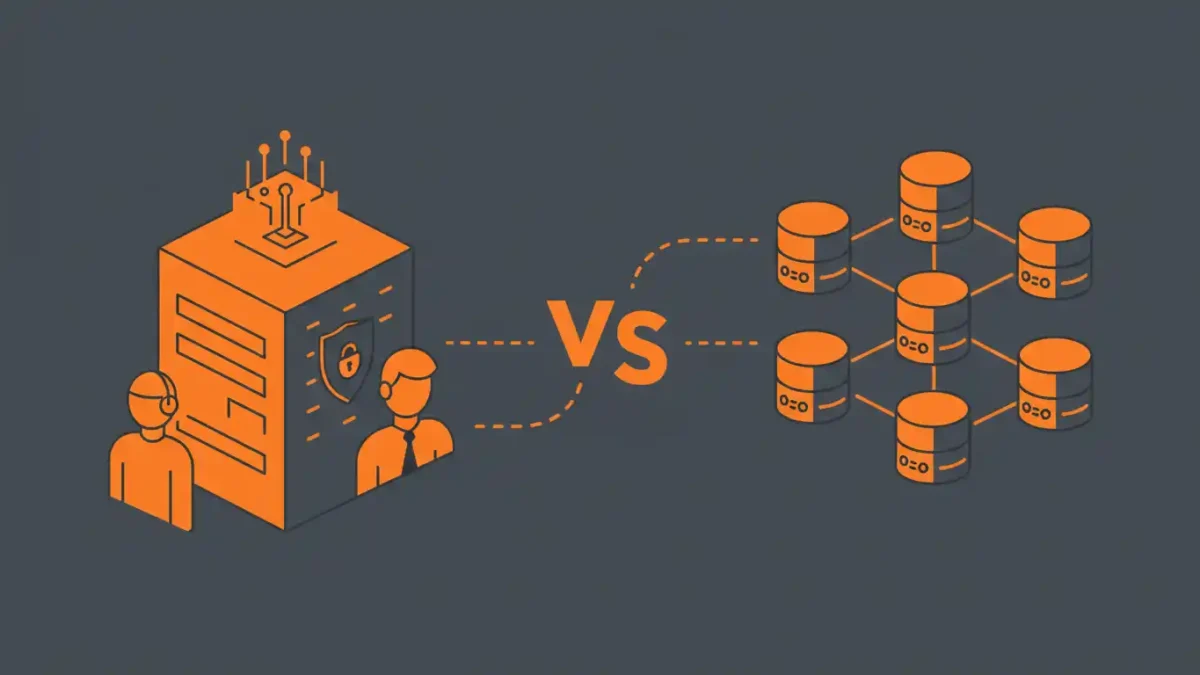
Security Operations Centers (SOC): Should You Build In-House or Outsource?
Introduction
As cyber threats continue to evolve, businesses must implement strong security operations to protect their digital assets, ensure regulatory compliance, and minimize the impact of cyberattacks. One of the most effective ways to achieve this is through a Security Operations Center (SOC), which serves as the central hub for monitoring, detecting, and responding to security incidents in real-time.
However, organizations face a critical decision when implementing a SOC: should they build an in-house team or outsource to a managed security service provider (MSSP)? This decision depends on factors such as cost, expertise, scalability, and security control. In this article, we will explore the key differences between in-house and outsourced SOCs, weighing their advantages and disadvantages to help organizations determine the best approach for their security needs.
What Is a Security Operations Center (SOC)?
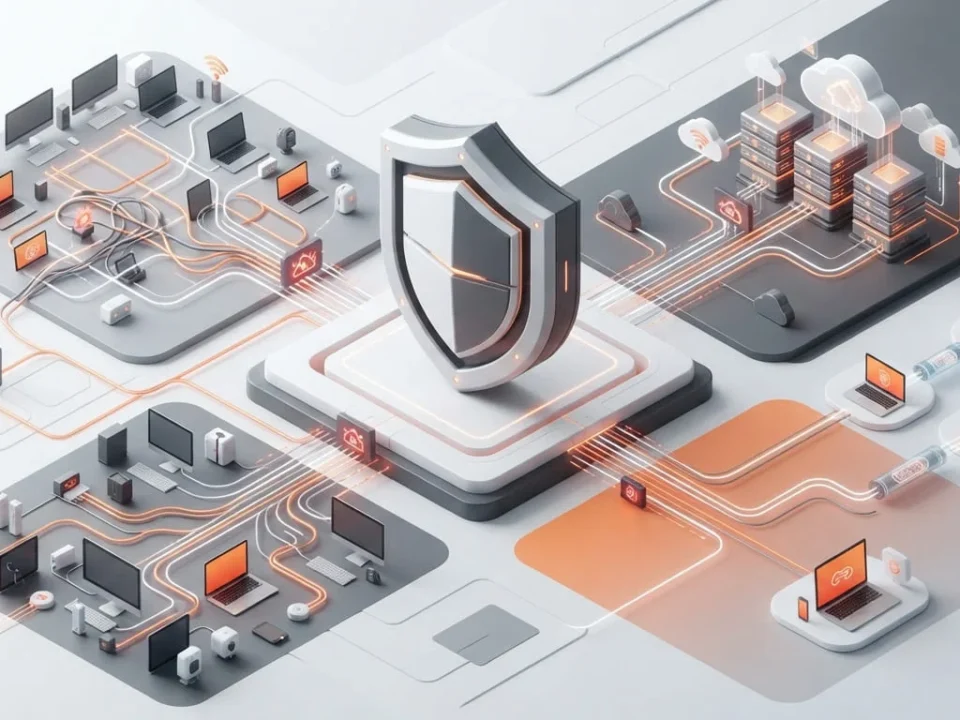
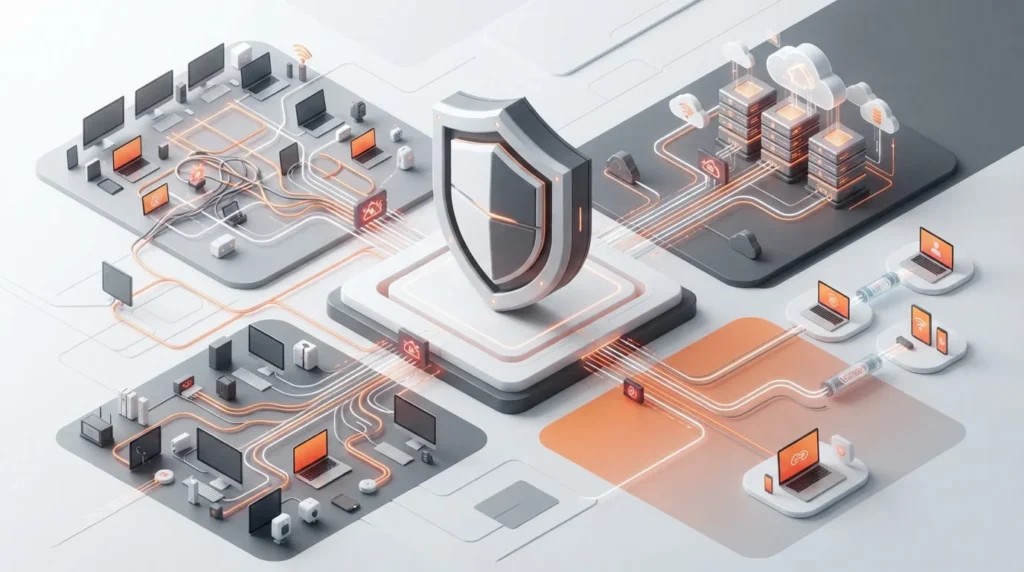
A Security Operations Center (SOC) is a dedicated facility where a team of cybersecurity professionals monitors and responds to security threats 24/7. The SOC integrates various tools and processes to protect an organization’s IT infrastructure, data, and applications from cyber threats.
Key Functions of a SOC
- Threat Detection and Monitoring: Continuous tracking of network activity to identify potential security threats.
- Incident Response: Quick mitigation of security incidents to minimize damage.
- Threat Intelligence: Analysis of attack patterns to predict and prevent future threats.
- Security Compliance: Ensuring that an organization meets industry regulations such as GDPR, HIPAA, and ISO 27001.
- Log Management and Analysis: Collection and evaluation of security logs to detect anomalies and suspicious activities.
A well-structured SOC utilizes advanced security technologies such as Security Information and Event Management (SIEM), Endpoint Detection and Response (EDR), and automated threat intelligence platforms.
Building an In-House SOC: Pros and Cons
Some businesses choose to build and manage their SOC internally, employing their own team of security analysts, engineers, and incident responders. While an in-house SOC offers several benefits, it also presents certain challenges.
Advantages of an In-House SOC
- Full Control: Organizations have direct oversight of security operations, ensuring that security policies align with internal risk management strategies.
- Customization: In-house teams can tailor security measures to the company’s specific needs, integrating solutions with existing IT infrastructure.
- Data Confidentiality: Sensitive information remains within the organization, reducing the risk of third-party exposure.
Challenges of an In-House SOC
- High Operational Costs: Setting up a SOC requires substantial investment in infrastructure, security tools, and talent acquisition.
- Shortage of Skilled Professionals: Finding and retaining qualified cybersecurity experts is a challenge, often requiring assistance from cybersecurity staffing agencies.
- Continuous Monitoring Requirements: Maintaining a 24/7 SOC operation demands significant resources, including shift-based teams and advanced security automation.
Outsourcing SOC Operations: Pros and Cons
Many businesses opt to outsource their SOC operations to Managed Security Service Providers (MSSPs), which specialize in cybersecurity services. Outsourcing allows organizations to leverage expert resources without the burden of maintaining an internal team.
Advantages of an Outsourced SOC
- Cost Efficiency: Outsourcing eliminates the need for large upfront investments in infrastructure and personnel, reducing overall operational costs.
- Access to Advanced Security Expertise: MSSPs employ experienced security professionals who stay updated on the latest cyber threats and security trends.
- 24/7 Monitoring and Faster Response Times: External SOCs operate around the clock, ensuring rapid detection and mitigation of security incidents.
- Scalability: As businesses grow, outsourced SOC providers can quickly adjust security services to meet changing demands.
Challenges of an Outsourced SOC
- Reduced Control: Businesses must trust an external provider to handle their security operations, which may limit direct involvement in decision-making.
- Potential Data Privacy Concerns: Sharing sensitive data with a third party introduces compliance risks, requiring strict contractual agreements.
- Dependence on Service Providers: Organizations relying entirely on an outsourced SOC may face challenges if the provider experiences service disruptions.
Cost Comparison: In-House vs. Outsourced SOC
One of the main factors influencing the decision between in-house and outsourced SOCs is cost. Below is a comparison of the typical expenses involved in both options:
| Expense Category | In-House SOC | Outsourced SOC |
| Infrastructure Setup | High | Low |
| Security Tools & SIEM | Expensive | Included in service |
| Staffing & Training | High | Covered by provider |
| Continuous Monitoring | Resource-Intensive | 24/7 coverage provided |
| Scalability | Complex | Easily adjustable |
For small and mid-sized businesses, outsourcing is often the more cost-effective solution, while large enterprises with extensive security needs may benefit from an in-house SOC.
Factors to Consider When Choosing Between In-House and Outsourced SOC
When deciding between an in-house or outsourced SOC, businesses should consider the following factors:
- Size and Industry-Specific Requirements: Large enterprises with strict compliance regulations may prefer in-house SOCs, while smaller organizations may benefit from outsourcing.
- Regulatory and Compliance Considerations: Businesses in heavily regulated industries must ensure that their chosen SOC model aligns with legal requirements.
- Availability of Skilled Security Professionals: Given the global shortage of cybersecurity experts, many companies rely on cybersecurity staffing agencies to recruit top-tier talent for their SOC operations.
- Long-Term Security Strategy: Companies should assess whether they have the resources to sustain an in-house SOC or if outsourcing provides a more flexible and scalable solution.
Future Trends in Security Operations Centers
As cyber threats become more complex, SOCs are evolving to incorporate new technologies and methodologies. Future trends include:
- AI-Powered Threat Detection: Artificial intelligence and machine learning are enhancing SOC capabilities by automating threat analysis and response.
- Hybrid SOC Models: Businesses are increasingly adopting hybrid approaches, combining in-house teams with outsourced security services for a balanced security strategy.
- Cloud-Based SOC Solutions: Cloud-native security solutions are gaining popularity, providing organizations with more flexible and scalable security monitoring.
- Zero Trust Security Models: SOCs are shifting towards Zero Trust frameworks, ensuring strict identity verification and least-privilege access control.
Conclusion
A well-functioning SOC is essential for protecting organizations from cyber threats, ensuring compliance, and maintaining business continuity. Whether to build an in-house SOC or outsource to an MSSP depends on factors such as budget, expertise, and control over security operations.
For businesses with extensive resources and regulatory demands, an in-house SOC may be the right choice. However, for those looking for cost-effective, expert-driven security services, outsourcing can provide a scalable and efficient solution. By evaluating their needs and long-term security goals, organizations can make an informed decision that best supports their cybersecurity strategy.