The Evolution of Firewall Technology: From Packet Filtering to Unified Threat Management

Firewall Misconfigurations and How to Avoid Them

The importance of regular firewall audits: identifying vulnerabilities before they become a threat
Introduction
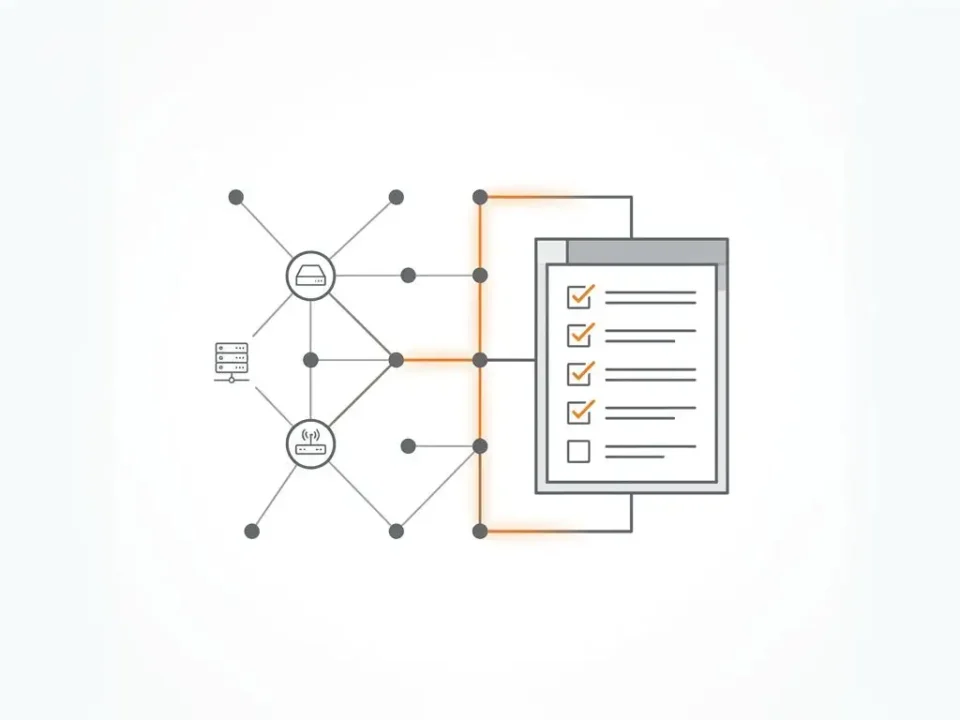
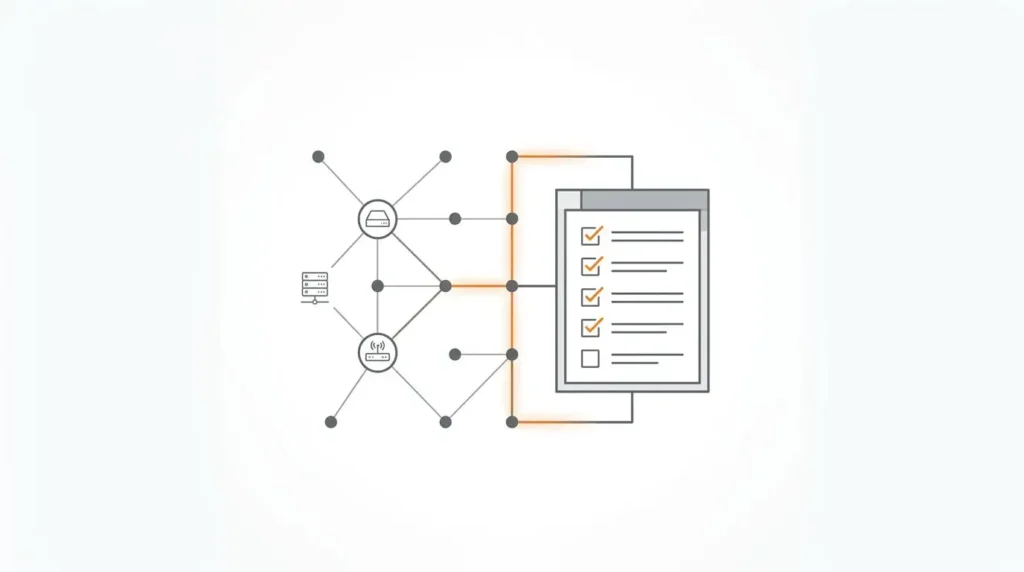
A firewall audit is a systematic review of a firewall’s configuration, rules, and performance. The purpose of a firewall audit is to evaluate the effectiveness of a firewall in protecting a network from unauthorized access and threats. Regular audits are essential for maintaining the security and efficiency of the firewall.
What is a Firewall Audit?
A firewall audit involves a comprehensive examination of a firewall’s configuration, rules, and performance. The audit aims to ensure that the firewall is effectively protecting the network from unauthorized access, threats, and vulnerabilities.
Scope of a Firewall Audit
- Configuration Review
- Examines how the firewall is set up, including its settings and parameters.
- Assesses the alignment of configurations with security policies and best practices.
- Rule Analysis
- Evaluates the firewall rules and policies to ensure they are effective and not overly permissive.
- Identifies redundant, conflicting, or outdated rules that may pose security risks.
- Security Assessment
- Reviews the firewall’s ability to defend against known threats and vulnerabilities.
- Tests the firewall’s performance and response to various security scenarios.
- Log and Event Analysis
- Analyzes logs and events generated by the firewall to detect unusual or suspicious activities.
- Helps in identifying potential security incidents and operational issues.
Objectives of a Firewall Audit
- Ensure Compliance
- Verifies that the firewall meets industry standards and regulatory requirements.
- Helps organizations maintain compliance with security policies and guidelines.
- Identify Misconfigurations
- Detects and corrects configuration errors that could weaken the firewall’s effectiveness.
- Ensures that firewall settings are optimized for current security needs.
- Improve Security Posture
- Identifies vulnerabilities and areas for improvement to enhance overall network security.
- Provides recommendations for strengthening firewall rules and configurations.
- Optimize Performance
- Assesses the firewall’s performance to ensure it is operating efficiently.
- Recommends adjustments to improve firewall speed and reduce latency.
Why Regular Firewall Audits are Crucial
Evolving Threat Landscape
New Threats and Vulnerabilities
- Constant Changes: The threat landscape is continuously evolving with new types of attacks and vulnerabilities emerging regularly. Regular firewall audits help ensure that the firewall’s defenses are up-to-date and capable of addressing these new threats.
- Adaptation: As attackers develop more sophisticated methods, firewalls must adapt to effectively counteract these advanced techniques. Regular audits ensure that the firewall’s rules and configurations are modified as needed to respond to evolving threats.
Compliance Requirements
Meeting Industry Standards
- Regulatory Compliance: Many industries are subject to regulations that mandate regular security assessments, including firewall audits. Compliance with standards such as PCI-DSS, HIPAA, or GDPR often requires periodic reviews of firewall configurations and security measures.
- Avoiding Penalties: Regular audits help organizations meet these compliance requirements, avoiding potential fines and legal issues associated with non-compliance.
Performance Optimization
Efficient Firewall Operation
- Removing Redundancies: Over time, firewalls can accumulate unnecessary or outdated rules. Regular audits identify and remove these redundant rules, which can improve the firewall’s performance and efficiency.
- Improving Speed: By optimizing rules and configurations, audits can help reduce latency and improve the overall speed of network traffic processing. This ensures that the firewall does not become a bottleneck in network performance.
Steps to Conduct an Effective Firewall Audit
Preparation
Gathering Necessary Documentation and Tools
- Documentation
- Network Diagrams: Obtain up-to-date network diagrams to understand the current network architecture and firewall placement.
- Firewall Policies: Review existing firewall policies and rules to familiarize yourself with the current configuration.
- Tools
- Audit Tools: Utilize appropriate tools for auditing, such as configuration review tools, log analyzers, and vulnerability scanners.
- Access: Ensure you have the necessary access and permissions to perform the audit, including administrative access to the firewall.
Setting Audit Objectives and Scope
- Define Objectives
- Goals: Clearly define the goals of the audit, such as identifying misconfigurations, assessing compliance, or improving performance.
- Scope: Determine the scope of the audit, including which firewalls and network segments will be reviewed.
- Establish Criteria
- Standards: Establish criteria for evaluating firewall effectiveness based on industry standards, regulatory requirements, and organizational policies.
- Metrics: Define metrics for assessing performance, security, and compliance.
Execution
Performing Configuration and Rule Reviews
- Configuration Review
- Settings Check: Review firewall configurations to ensure they are correctly set up and aligned with security policies.
- Service Review: Check for any unnecessary or insecure services that need to be disabled.
- Rule Review
- Rule Effectiveness: Evaluate the effectiveness of existing firewall rules. Ensure they are properly designed to filter traffic and enforce security policies.
- Rule Cleanup: Remove or adjust any redundant or outdated rules.
Analyzing Logs and Network Traffic
- Log Review
- Log Analysis: Examine firewall logs to identify any unusual or suspicious activities. Look for patterns that may indicate security issues.
- Event Correlation: Correlate log entries with other network security events to detect potential vulnerabilities.
- Traffic Analysis
- Network Traffic: Analyze network traffic patterns to ensure that the firewall is effectively controlling access and blocking unauthorized traffic.
- Performance Monitoring: Monitor performance metrics to identify any potential bottlenecks or inefficiencies.
Reporting
Documenting Findings and Recommendations
- Audit Report
- Findings: Document the findings of the audit, including any identified issues, misconfigurations, or vulnerabilities.
- Recommendations: Provide clear recommendations for addressing the identified issues, improving security, and optimizing performance.
- Action Plan
- Prioritization: Prioritize recommendations based on their impact on security and performance.
- Timeline: Develop an action plan with timelines for implementing recommended changes and improvements.
Communicating Results
- Stakeholder Communication
- Summary: Prepare a summary of the audit findings and recommendations for key stakeholders.
- Detailed Report: Provide a detailed report to technical teams for implementation of changes.
- Follow-Up
- Review Meeting: Schedule a meeting with stakeholders to discuss the audit results and next steps.
- Implementation Tracking: Track the implementation of recommended changes and verify that they have been applied effectively.
Follow-Up
Implementing Recommended Changes
- Change Implementation
- Action Steps: Ensure that all recommended changes are implemented according to the action plan.
- Verification: Verify that changes have been applied correctly and that they resolve the identified issues.
- Testing
- Post-Implementation Testing: Conduct tests to confirm that the changes have not introduced new issues and that they improve security and performance.
Scheduling Regular Follow-Up Audits
- Audit Schedule
- Regular Audits: Establish a schedule for regular firewall audits to maintain ongoing security and performance.
- Continuous Improvement: Use insights from audits to continuously improve firewall configurations and security practices.
- Review and Update
- Policy Updates: Regularly review and update firewall policies based on audit findings and changes in the threat landscape.
- Adaptation: Adapt audit procedures as needed to address emerging threats and changes in network architecture.
Conclusion
Regular firewall audits are vital for maintaining robust network security. They enable the early detection of vulnerabilities and misconfigurations before they can be exploited by attackers. Ongoing security is ensured as audits help keep firewalls effective against emerging threats and evolving network environments. Conducting audits regularly is crucial for proactive security management, offering insights into potential weaknesses and areas for improvement. A thorough audit process involves careful preparation, execution, and reporting, with automation tools and best practices enhancing efficiency. Real-world case studies underscore the practical benefits of audits, demonstrating their role in addressing specific challenges and improving overall security.
Selecting the right firewall solution is equally important. It must align with the organization’s specific needs, considering factors like network complexity, regulatory compliance, and the current threat landscape. Regular evaluation and updates of firewall technology are necessary to ensure it continues to meet security objectives and adapts to changes in the network environment. By integrating system audit practices with the right firewall technology, organizations can maintain a strong and adaptive security posture.