
How IoT is Changing Network Administration
Top 10 Network Security Threats in 2024 and How to Prevent Them

The Importance of Network Monitoring for Business Continuity
Introduction
In today’s digital-first business environment, maintaining continuous network performance is essential for operational stability. A single network failure can cause downtime, disrupt workflow, and lead to significant financial losses. Whether it’s an e-commerce platform experiencing website outages, a financial institution facing security breaches, or a remote team dealing with slow connections—unmonitored network issues can severely impact business continuity.
To ensure seamless business operations, network monitoring plays a critical role in preventing failures, optimizing performance, and enhancing cybersecurity. By continuously tracking network health, bandwidth usage, security threats, and performance bottlenecks, businesses can proactively address issues before they escalate.
However, maintaining an in-house network monitoring team can be costly and resource-intensive. This is why many businesses turn to outstaffing network administration—hiring remote network engineers to provide expert monitoring services without the overhead costs of full-time employees.
In this article, we’ll explore why network monitoring is essential for business continuity, the key components of effective monitoring, and how outstaffing IT professionals can enhance network security and reliability.
What is Network Monitoring and Why is it Essential?
Network monitoring is a proactive approach that involves tracking and analyzing network performance, security, and stability in real time. Businesses rely on continuous network oversight to prevent outages, mitigate cyber threats, and optimize data flow.
Key Benefits of Network Monitoring
✔ Ensures Maximum Uptime – Avoids unexpected downtime that disrupts operations and affects revenue.
✔ Detects and Resolves Issues in Real Time – Identifies network failures, slowdowns, and performance degradation before they escalate.
✔ Enhances Network Security – Detects unauthorized access attempts, malware infections, and suspicious traffic.
✔ Improves Bandwidth and Resource Management – Ensures efficient allocation of network resources to critical applications.
Without proper network monitoring, businesses are at risk of unexpected failures, slowdowns, and cybersecurity vulnerabilities that can jeopardize their operations.
Key Components of Effective Network Monitoring
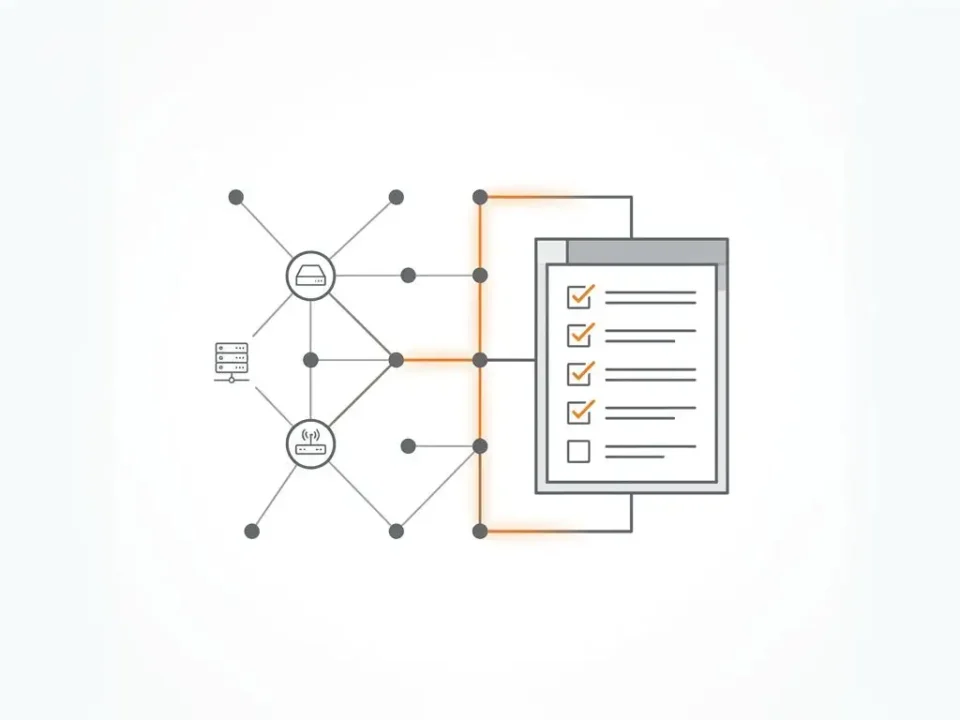
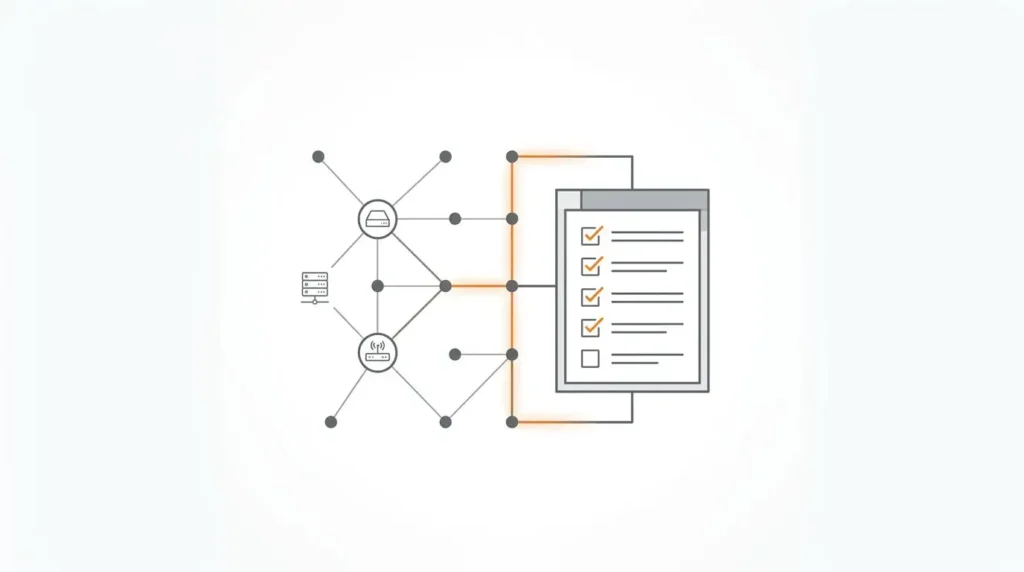
To achieve optimal network performance and security, businesses must integrate the following components into their network monitoring strategy.
1. Real-Time Performance Monitoring
✔ Tracks latency, bandwidth consumption, and packet loss.
✔ Ensures cloud applications, video calls, and remote access tools function efficiently.
✔ Identifies performance bottlenecks that slow down workflows.
2. Security Monitoring and Threat Detection
✔ Detects DDoS attacks, malware threats, and unauthorized logins.
✔ Uses firewalls, intrusion detection systems (IDS), and AI-based analytics to spot anomalies.
✔ Implements Zero Trust security models to limit unauthorized access.
3. Automated Alerts and Incident Response
✔ Sends immediate notifications when security risks or performance issues arise.
✔ Enables quick resolution of network failures to prevent downtime.
✔ Automates security patches and updates to reduce vulnerabilities.
4. Bandwidth and Traffic Management
✔ Identifies which applications and users consume the most bandwidth.
✔ Implements Quality of Service (QoS) policies to prioritize business-critical applications.
✔ Prevents network congestion and slowdowns through automated load balancing.
5. Cloud and Remote Network Monitoring
✔ Ensures smooth access to cloud platforms and remote work applications.
✔ Monitors multi-cloud and hybrid environments to detect slow connections.
✔ Uses AI-driven predictive analytics to forecast network demands and prevent crashes.
By implementing these key components, businesses can minimize downtime, improve security, and optimize network speed and efficiency.
The Role of IT Outstaffing in Network Monitoring
As networks grow more complex, businesses require dedicated network specialists to monitor, analyze, and optimize performance 24/7. However, hiring a full-time, in-house IT team can be cost-prohibitive for many organizations.
Why Businesses Choose Outstaffing Network Administration for Monitoring:
✔ Access to Certified Network Engineers – Get top-tier monitoring specialists without full-time hiring costs.
✔ 24/7 Monitoring – Continuous oversight to detect and prevent disruptions in real time.
✔ Cost Savings – Reduce expenses associated with in-house IT salaries, benefits, and infrastructure.
✔ Scalable Services – Scale monitoring services up or down based on business needs.
✔ Faster Response Times – Outsourced professionals can resolve network issues faster, reducing downtime.
By leveraging IT outstaffing for network monitoring, businesses can strengthen security, ensure stability, and maintain high-performance networks without significant overhead costs.
Common Network Monitoring Challenges and How to Overcome Them
Even with advanced monitoring tools, businesses face challenges in maintaining network stability and security. Here’s how to overcome them:
Challenge 1: Managing High Data Volumes in Large Networks
Issue: Rapidly growing networks generate massive data volumes, making it hard to track everything.
Solution: Use AI-powered network analytics and automated monitoring tools to filter critical insights and detect real threats.
Challenge 2: Preventing Security Breaches Through Network Monitoring
Issue: Cybercriminals exploit unmonitored vulnerabilities, leading to data breaches.
Solution: Deploy AI-driven security monitoring, endpoint detection, and Zero Trust security frameworks.
Challenge 3: Ensuring Consistent Monitoring Across Cloud and On-Premises Networks
Issue: Many businesses operate in multi-cloud environments, making monitoring complex.
Solution: Adopt cloud-native monitoring solutions and automated security updates to ensure consistent network visibility.
By proactively addressing these challenges, businesses can maximize network uptime, security, and performance.
Conclusion
In an era where businesses rely on digital infrastructure, network monitoring is no longer optional—it is essential. From preventing downtime and security breaches to optimizing bandwidth and resource management, effective network oversight ensures uninterrupted operations and business continuity.
For companies seeking reliable and cost-effective network monitoring, outstaffing network administration provides an efficient, scalable solution. By partnering with remote network specialists, businesses gain 24/7 network protection, rapid issue resolution, and cost savings—without the burden of hiring a full-time IT team.
As networks continue to grow and evolve, businesses that prioritize network monitoring will have a competitive advantage in maintaining stability, security, and efficiency.
Sourses
- Kentik: Why Network Monitoring is Critical for Business Continuity – Kentik.com
- Cisco: The Role of AI in Network Security Monitoring – Cisco.com
- IBM: Cloud and Hybrid Network Monitoring Solutions – IBM.com
By implementing proactive monitoring strategies and leveraging outstaffing network administration, businesses can maintain high-performance, secure networks that support long-term success.