
How to Optimize Your Network Performance

The Importance of Network Monitoring for Business Continuity
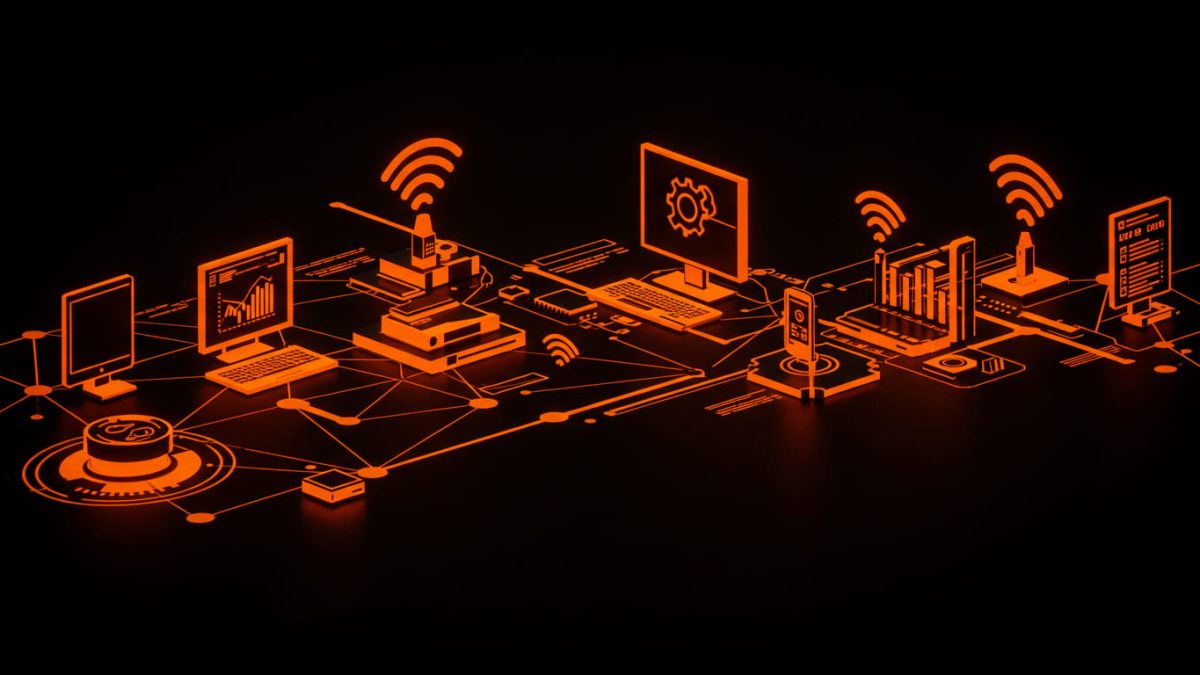
How IoT is Changing Network Administration
Introduction
The Internet of Things (IoT) is revolutionizing industries by connecting billions of devices to networks, from smart home gadgets to industrial sensors. This rapid adoption has transformed traditional network administration, introducing new challenges related to scalability, security, and performance management.
As businesses embrace IoT, network administrators must evolve to handle massive data volumes, real-time monitoring, and decentralized architectures. The old methods of manually managing networks are no longer sufficient. Instead, companies are investing in network automation, edge computing, and AI-driven security to ensure stable and secure network operations.
Managing IoT-driven networks requires highly specialized expertise. Many organizations struggle to build in-house teams capable of handling these complex infrastructures. This is where IT outstaffing comes in—allowing companies to access top-tier network administration professionals without the costs of full-time hires. Additionally, network administration services provide on-demand solutions to optimize and secure IoT environments.
This article will explore how IoT is reshaping network administration, the challenges it introduces, and the key strategies businesses must adopt to stay ahead.
The Impact of IoT on Network Administration
The widespread adoption of IoT has brought significant changes to how networks are managed. Here are the most critical ways in which IoT is reshaping network administration:
1. Increased Network Traffic
IoT devices constantly generate and transmit data—from smart meters monitoring electricity usage to industrial sensors tracking machine health. Unlike traditional IT devices that transmit data periodically, IoT devices require continuous communication. This overwhelms network bandwidth, increases congestion, and slows down response times.
✔ Network administrators must implement traffic management strategies to ensure essential services receive priority bandwidth.
2. Greater Security Challenges
Each IoT device represents a potential entry point for cyberattacks. Many consumer IoT devices lack strong security features, making them easy targets for hackers. Once compromised, these devices can be used for distributed denial-of-service (DDoS) attacks, data breaches, or malware distribution.
✔ Network administrators must enforce strict authentication, encrypted data transfer, and AI-powered threat detection to secure IoT networks.
3. Demand for Real-Time Monitoring
Traditional networks could afford occasional performance monitoring, but IoT networks require real-time oversight. A delay in detecting network failures in connected cars, industrial machines, or healthcare devices can have serious consequences.
✔ Automated network monitoring tools must track performance, detect anomalies, and instantly trigger alerts when issues arise.
4. Need for Scalable Infrastructure
The number of IoT devices is expected to reach 30 billion by 2030. Most networks today are not built to handle such a high volume of devices. Expanding traditional network infrastructures through physical servers is costly and inefficient.
✔ Businesses are turning to software-defined networking (SDN) and cloud-based network architectures to dynamically adjust to growing IoT demands.
Key Changes in Network Administration Due to IoT
To manage IoT networks effectively, businesses are making the following key changes to their network administration strategies:
1. Automated Network Management
Managing a high-volume, real-time IoT network manually is impossible. Businesses now use AI-driven network automation to:
✔ Detect traffic bottlenecks and reroute data efficiently.
✔ Predict network failures before they happen.
✔ Automatically apply security patches and software updates.
Network administration services now integrate AI-powered automation to eliminate human error and improve efficiency.
2. Edge Computing and Decentralized Networks
Instead of sending all data to a central cloud server, edge computing allows IoT devices to process data locally. This reduces latency, bandwidth usage, and reliance on centralized systems.
✔ Decentralized network architectures help distribute workload and increase reliability.
✔ For example, self-driving cars process road data locally rather than relying on slow cloud transmissions.
3. Enhanced Security Protocols for IoT Networks
Since traditional security measures fail to protect IoT, new security models are emerging:
✔ Zero Trust security ensures that every device must be authenticated before accessing the network.
✔ Anomaly detection powered by machine learning can identify unusual IoT behavior, preventing cyberattacks before they escalate.
4. Software-Defined Networking (SDN) for IoT Scalability
SDN decouples network control from hardware, allowing businesses to programmatically adjust network traffic. This makes it easier to:
✔ Dynamically allocate bandwidth to critical IoT applications.
✔ Scale networks up or down depending on the number of connected devices.
By using SDN alongside cloud computing, network administrators can create highly scalable IoT environments.
The Role of IT Outstaffing in IoT Network Management
Building an in-house network team with deep IoT expertise is expensive and challenging. Many businesses turn to IT outstaffing to hire top-tier network engineers and administrators on demand.
Why Businesses Choose IT Outstaffing for IoT Management
✔ Access to experienced professionals specialized in IoT networking.
✔ Cost-effective hiring compared to building an in-house team.
✔ Scalable solutions that adjust to changing business needs.
By leveraging IT outstaffing, companies quickly integrate IoT networking expertise without the overhead costs of full-time employment.
Challenges in Managing IoT Networks and How to Overcome Them
Challenge 1: Managing High Device Connectivity
Issue: Too many IoT devices cause congestion and slow down the network.
Solution: Implement AI-driven traffic management and dynamic bandwidth allocation.
Challenge 2: Securing IoT Networks Against Cyber Threats
Issue: IoT devices are vulnerable to hacking and malware.
Solution: Enforce Zero Trust security, encrypted communication, and AI-based threat detection.
Challenge 3: Bandwidth and Latency Issues
Issue: Sending all IoT data to the cloud causes delays.
Solution: Deploy edge computing to process data locally and reduce cloud reliance.
Conclusion
The rise of IoT has completely transformed network administration, requiring businesses to adapt to new security threats, bandwidth demands, and real-time monitoring challenges.
To manage IoT-driven networks effectively, businesses must integrate automation, edge computing, SDN, and AI-powered security. At the same time, leveraging network administration services and IT outstaffing provides access to expert IoT professionals, ensuring efficient and secure network management.
As the IoT ecosystem continues to grow, businesses that prioritize advanced network strategies will maintain a competitive advantage in the digital era.