
The Future of IT Consulting: Emerging Technologies That Will Shape the Industry

Behavioral Analytics in Cybersecurity: How AI Detects Anomalies Before Hackers Strike
The Economics of Security Monitoring: How Investing in Prevention Saves Millions
Introduction
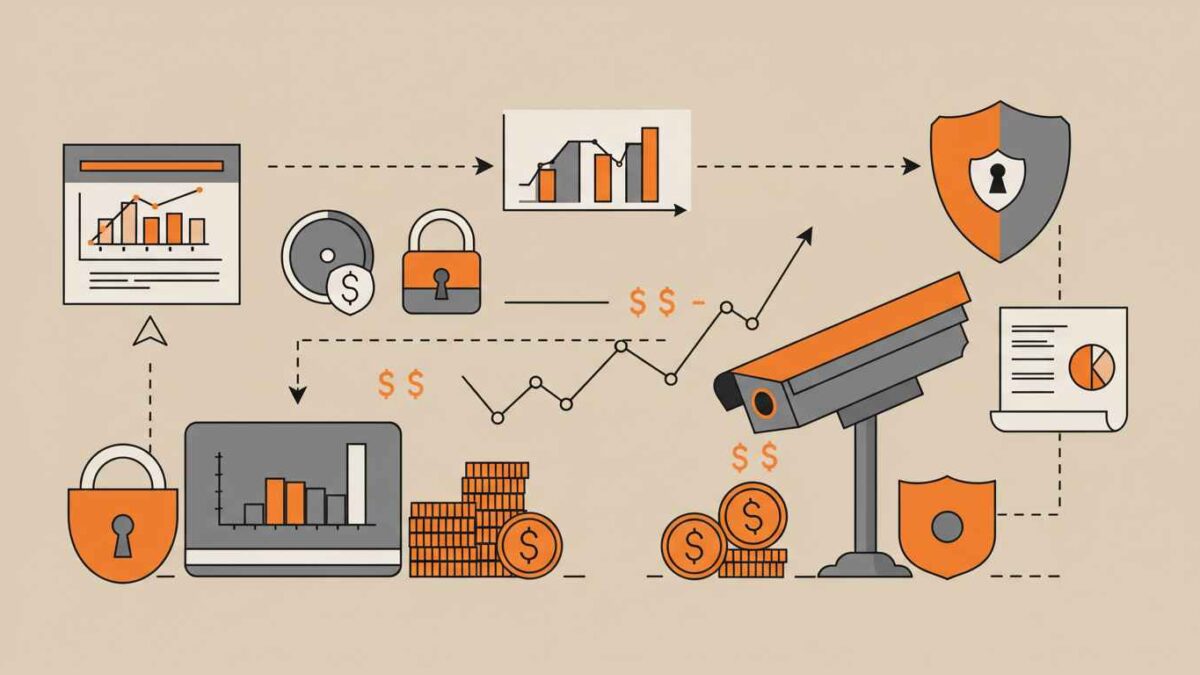
Cybersecurity threats are evolving at an unprecedented rate, and businesses worldwide are feeling the financial strain caused by data breaches, compliance violations, and operational downtime. While many organizations view cybersecurity as a necessary expense, few realize that security monitoring service is an investment that actively reduces long-term costs. Effective security monitoring enables businesses to detect threats early, mitigate risks, and prevent costly breaches, ultimately leading to substantial financial savings.
Cybersecurity Breaches: The Hidden Costs
Many organizations calculate the financial damage of a cyberattack by assessing direct losses, such as stolen data or recovery costs. However, the hidden costs—those that accumulate over time—often have the most severe impact. Some of these include:
- Regulatory Fines & Legal Liabilities – Compliance with frameworks like GDPR, CCPA, HIPAA, and PCI DSS is mandatory for businesses handling sensitive customer data. Failure to meet these standards can result in fines exceeding millions of dollars.
- Operational Disruptions – Cyberattacks frequently lead to shutdowns, forcing businesses to suspend transactions, services, or manufacturing processes, resulting in financial losses.
- Reputational Damage & Customer Attrition – Consumers are wary of companies with poor cybersecurity track records. A breach can drive away customers, reducing revenue and brand credibility.
- Forensic Investigations & Remediation Costs – Recovering from an attack requires intensive security audits, data recovery efforts, and additional protective measures, further stretching company resources.
These costs often far exceed the price of proactive security monitoring, reinforcing the need for continuous cyber defense strategies.
How Security Monitoring Reduces Costs
Investing in security monitoring service is one of the most effective ways to prevent financial losses associated with cybersecurity breaches. Businesses that prioritize real-time security monitoring benefit from:
1. Threat Detection Before Damage Occurs
Rather than responding to cyber incidents after they unfold, proactive security monitoring identifies unusual activity and mitigates threats early. This preemptive approach prevents incidents from escalating and significantly reduces recovery expenses.
2. Minimized Regulatory Penalties
Organizations using 24/7 security monitoring ensure their cybersecurity protocols align with evolving compliance standards. This proactive stance helps avoid non-compliance fines and legal repercussions, protecting financial stability.
3. Business Continuity & Reduced Downtime
Security breaches disrupt workflows, leading to financial and productivity setbacks. Continuous monitoring ensures operational integrity, allowing businesses to function smoothly without interruptions.
4. Preserved Brand Reputation & Customer Loyalty
Consumers value security and privacy. A company that invests in security monitoring demonstrates reliability, earning customer trust while safeguarding its brand image.
5. Optimized IT Security Costs Through Outsourcing
Building an in-house security team requires substantial investment in salaries, training, infrastructure, and tools. Opting for outsource IT security solutions offers the same high level of protection without excessive costs, making cybersecurity affordable and scalable.
Outsource IT Security: A Cost-Effective Strategy
Many businesses struggle to balance IT security costs with operational expenses. Outsource IT security provides an efficient way to leverage specialized cybersecurity expertise without maintaining a full-scale internal team. Outsourcing offers:
- Access to Advanced Threat Intelligence – Cybersecurity providers utilize cutting-edge technologies to detect vulnerabilities before attackers exploit them.
- Flexible, Scalable Protection – Businesses can adjust security monitoring based on their evolving needs, ensuring efficiency without excessive spending.
- Reduced Overhead & Operational Costs – Outsourcing eliminates the need for expensive security infrastructure, drastically cutting IT expenses.
The ROI of Proactive Security Investments
Security monitoring isn’t just an added protection measure—it’s a strategic investment with measurable financial returns. Businesses that embrace proactive monitoring and outsourced cybersecurity solutions benefit from:
- Lower incident response expenses
- Reduced compliance-related fines
- Higher customer retention rates
- Improved operational efficiency
- Optimized cybersecurity costs without sacrificing quality
Given the skyrocketing costs of cyber breaches, businesses must shift their mindset—security is not an expense, but an investment in long-term success.
Conclusion
The financial advantages of security monitoring service and outsource IT security are undeniable. Investing in proactive cybersecurity measures today can save millions by preventing breaches, reducing downtime, and securing brand trust. As threats continue to evolve, organizations must recognize that the cost of prevention is always lower than the cost of remediation—making security monitoring an indispensable asset for sustainable business growth.