The Economics of Security Monitoring: How Investing in Prevention Saves Millions

How IT Consulting Improves Security Monitoring Efficiency
Behavioral Analytics in Cybersecurity: How AI Detects Anomalies Before Hackers Strike
Introduction
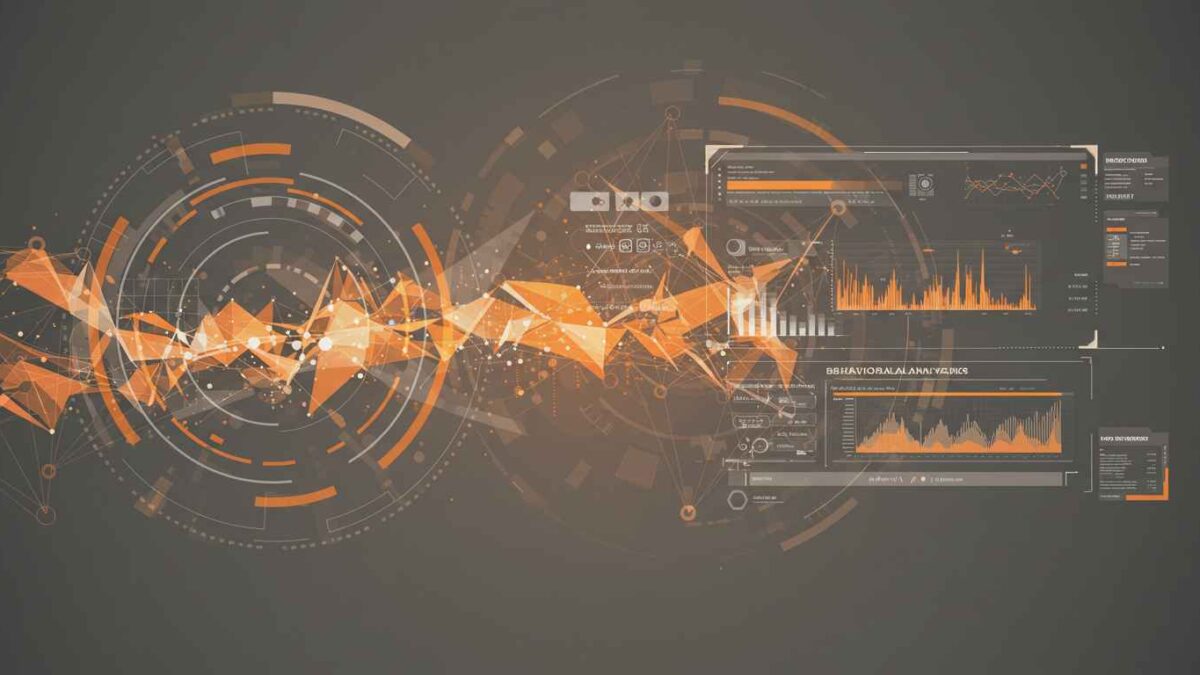
Cybersecurity is evolving rapidly as organizations face increasingly sophisticated cyber threats. Traditional security measures, such as signature-based detection, often fail to catch emerging attack techniques. This is where AI-driven behavioral analytics comes in—an advanced approach that leverages machine learning to identify anomalies before hackers strike.
In this article, we’ll explore the effectiveness of AI-driven behavioral analytics in enterprise security and how businesses can enhance their security monitoring service while benefiting from outsource IT security solutions.
The Need for AI in Cybersecurity
Cyber threats are no longer static; attackers continuously refine their techniques to bypass conventional defenses. Rule-based intrusion detection systems (IDS) and firewalls struggle to identify subtle anomalies that may indicate an impending breach. AI-driven behavioral analytics addresses this challenge by analyzing patterns, detecting irregularities, and predicting potential threats with precision.
How Behavioral Analytics Works
AI-based behavioral analytics relies on machine learning models to establish normal user activity patterns within a network. These models monitor various factors, such as:
- User login frequency and locations
- Data access patterns and file modifications
- Application usage and transaction behaviors
- System communication protocols and traffic anomalies
Once baseline behaviors are established, AI continuously monitors network activity, flagging deviations that may indicate compromised accounts, insider threats, or malicious activity.
AI Techniques for Detecting Anomalies
AI-driven cybersecurity solutions employ several key techniques to detect anomalies:
1. Unsupervised Machine Learning
Unlike traditional methods that require predefined attack signatures, unsupervised learning algorithms detect abnormal behaviors based on deviation from established patterns. This allows AI to identify novel threats that don’t match known attack profiles.
2. Predictive Analytics & Risk Scoring
Machine learning models assign risk scores to network activities based on historical data and behavioral trends. Activities exceeding predefined risk thresholds trigger automated responses, such as account isolation or heightened monitoring.
3. Natural Language Processing (NLP) for Log Analysis
AI can process and interpret security logs using NLP, filtering out false positives and prioritizing critical threats. This accelerates incident response times and helps security teams focus on genuine risks.
4. Automated Response Systems
AI-powered systems don’t just identify threats; they act upon them in real time. Automated response mechanisms can quarantine compromised endpoints, block suspicious transactions, or enforce multi-factor authentication dynamically.
Enhancing Enterprise Security with AI
Integrating AI-driven behavioral analytics into security monitoring service ensures organizations stay ahead of emerging threats. Businesses can proactively identify security gaps and mitigate risks before incidents occur.
Furthermore, companies benefit from outsource IT security services that leverage AI-enhanced monitoring. Outsourcing cybersecurity to specialized firms provides:
- Expertise in threat intelligence
- Access to AI-powered security platforms
- 24/7 threat monitoring and response
- Cost efficiency and scalability
Conclusion
AI-driven behavioral analytics has transformed cybersecurity by detecting anomalies in real-time, preventing breaches before they occur. Enterprises that embrace AI-powered security monitoring service and outsource IT security solutions stand a better chance of safeguarding sensitive data and maintaining robust cyber defenses.
As cyber threats continue to evolve, AI remains the future of proactive cybersecurity. Organizations must integrate advanced analytics to stay resilient and secure in an ever-changing threat landscape.
Sources
- Fighting AI with AI in Cybersecurity
- AI-driven Cybercrime: The Next Global Security Challenge