The Role of Governance, Risk, and Compliance (GRC) Experts in Cybersecurity
Network Security Staffing Challenges in 2025: Why Companies Are Turning to Outstaffing
Why Outstaffing Cybersecurity Experts Is a Smart Move for Growing Companies
As businesses grow and scale, so do their digital footprints—and unfortunately, so do the risks. From increasing volumes of sensitive data to more distributed IT environments, growing companies face mounting challenges in keeping their infrastructure secure. Hiring in-house cybersecurity experts may seem like the most straightforward solution, but in today’s complex and fast-evolving cyber landscape, that approach often falls short.
Outstaffing cybersecurity experts provides a smarter, more flexible way to access advanced expertise without the burden of maintaining a full-scale internal team. It enables companies to safeguard critical assets while staying agile, competitive, and cost-effective. Let’s explore why this approach is becoming a cornerstone of smart growth strategies and how it applies across key cybersecurity domains.
The Growing Cybersecurity Challenge
Cyber threats are no longer the domain of large enterprises alone. Small and mid-sized businesses increasingly become targets due to their often-limited defenses. A single data breach can cost millions and irreparably damage reputation and trust. Yet, building a capable in-house team is harder than ever.
According to (ISC)², there’s a global shortage of over 4 million cybersecurity professionals, and this gap continues to widen. For growing companies, this means difficulty finding the right talent, long recruitment cycles, and high salary expectations. Moreover, cybersecurity today requires highly specialized skills across a variety of technical and strategic domains—something that few generalists can handle alone.
Strategic Benefits of Outstaffing Cybersecurity Experts
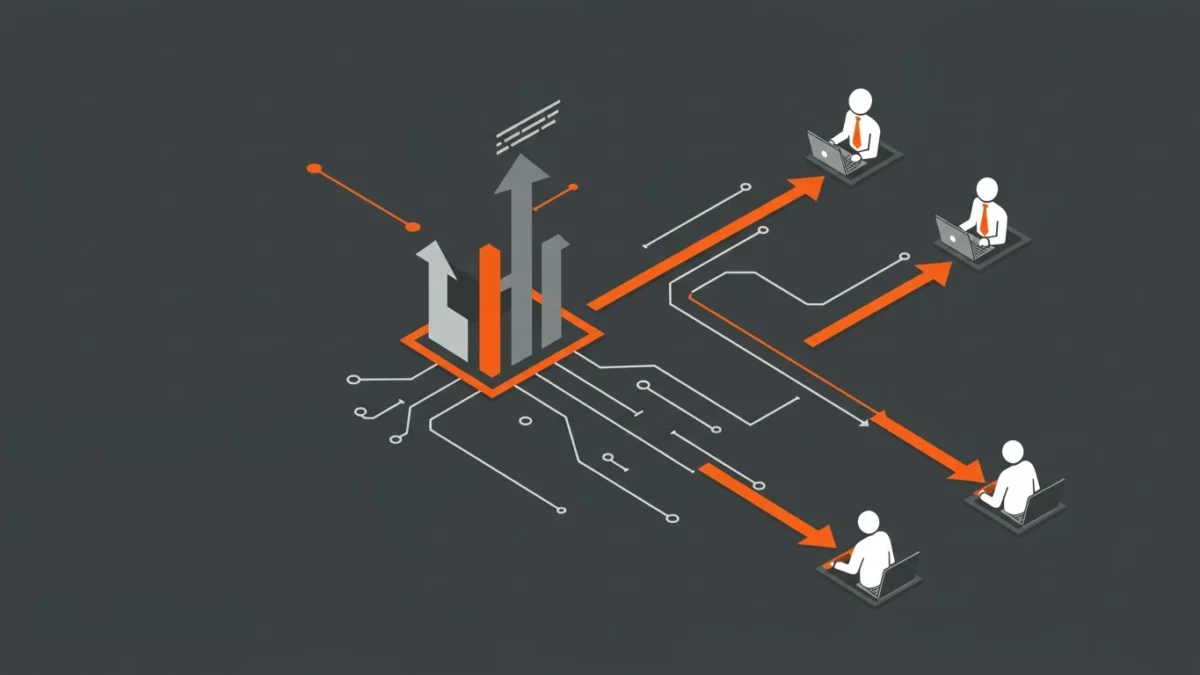
Outstaffing offers a valuable alternative: the ability to integrate external professionals directly into internal operations without long-term contracts or overheads. It provides several strategic benefits:
-
- Speed of deployment: Companies can onboard specialists within days, not months.
-
- Access to rare expertise: Specialists in compliance, offensive security, or AI are often hard to find locally.
-
- Scalability: Teams can be expanded or reduced as needed.
-
- Cost-efficiency: No need to invest in recruiting, training, or maintaining full-time staff.
-
- 24/7 coverage: Time zones and distributed work models allow for uninterrupted monitoring and incident response.
These advantages align particularly well with the evolving needs of businesses navigating digital transformation.
Domains Where Outstaffed Cybersecurity Experts Deliver Maximum Impact
1. Cybersecurity Management & Leadership
Cybersecurity leadership isn’t just about technical knowledge—it’s about aligning security strategies with business objectives. Virtual CISOs (vCISOs) and cybersecurity managers help develop security roadmaps, conduct risk assessments, prioritize investments, and report on KPIs to executive teams. They guide companies in building policies and controls that support sustainable growth while addressing regulatory and reputational risks. This leadership role also involves setting up governance structures, choosing suitable technologies, and creating security awareness initiatives company-wide. Outstaffed vCISOs offer these benefits without requiring full-time executive hiring, making them an ideal solution for growing companies with complex risk landscapes.
2. Security Operations & Incident Response
Security Operations Centers (SOCs) serve as the nerve centers of any modern cybersecurity program. Outstaffed SOC analysts bring advanced skills in managing SIEM platforms (e.g., Splunk, IBM QRadar), EDR tools (e.g., CrowdStrike, SentinelOne), and threat intelligence feeds. They perform log analysis, anomaly detection, and root cause investigation to identify security incidents in real time. In the event of a breach or suspicious activity, incident response specialists lead containment, eradication, and recovery efforts, using frameworks like NIST 800-61. Their ability to act quickly and decisively minimizes downtime, data loss, and reputational impact.
3. Network Security & Infrastructure Protection
This foundational domain protects the very backbone of a company’s IT environment. Network security experts configure firewalls, IPS/IDS systems, and VPNs to safeguard communication channels and remote access. They ensure secure segmentation of networks, deploy zero-trust principles, and monitor traffic for lateral movement—where attackers move within the network after an initial breach. These professionals also handle routine patch management, system hardening, and vulnerability remediation, ensuring that infrastructure remains compliant and resilient. Their oversight prevents many of the misconfigurations that lead to high-profile breaches.
4. Application & Data Security
Application security focuses on preventing flaws in software that could be exploited. Specialists in this area implement secure development lifecycle (SDLC) practices, perform source code reviews, and run dynamic and static analysis tools (DAST/SAST). They work closely with development teams to remediate OWASP Top 10 vulnerabilities—such as SQL injection, broken authentication, and insecure deserialization. On the data protection front, they deploy encryption at rest and in transit, apply access controls, and configure database activity monitoring systems. This layered approach safeguards intellectual property and sensitive customer data from breach or misuse.
5. Ethical Hacking & Offensive Security
Offensive security professionals simulate real-world attacks to uncover vulnerabilities before malicious actors can exploit them. These experts conduct internal and external penetration testing, red teaming (full-scope attack simulations), and social engineering assessments. They use tools such as Metasploit, Burp Suite, and Kali Linux to replicate advanced threat scenarios. Outstaffed ethical hackers provide organizations with actionable reports, risk ratings, and remediation plans—often mandated by regulators or clients in sensitive industries. This proactive stance significantly strengthens an organization’s security posture.
6. Governance, Risk & Compliance (GRC)
Effective cybersecurity isn’t just about technology—it’s about policies, processes, and people. GRC professionals help businesses comply with industry standards and government regulations (e.g., GDPR, HIPAA, NIST 800-53, ISO 27001). They identify compliance gaps, conduct internal audits, and develop documentation frameworks. In addition, they help assess third-party risk, establish business continuity plans, and define metrics for ongoing risk management. These roles are especially vital in regulated industries such as healthcare, finance, and e-commerce.
7. Identity & Access Management (IAM)
IAM ensures that only the right people have access to the right resources at the right time. Specialists in this field design and manage systems based on principles like least privilege and zero trust. They configure access policies, implement SSO (Single Sign-On), and deploy MFA (Multi-Factor Authentication). Outstaffed IAM experts also help businesses integrate with identity platforms like Okta, Azure AD, and ForgeRock. As remote work and hybrid IT environments expand, securing identities and credentials is more crucial than ever.
8. Security Architecture & Consulting
Security architecture is about embedding security into the very design of IT systems. These professionals assess existing infrastructure, conduct gap analyses, and develop blueprints for secure environments—on-premises, in the cloud, or in hybrid models. They provide recommendations on segmentation, secure communication protocols, and cloud-native security controls. Architecture consultants also support project teams during digital transformation initiatives to ensure secure adoption of new platforms and services. Their input is critical to prevent security issues from becoming deeply embedded in systems.
9. AI & Security Automation
As threats become faster and more complex, automation is key to keeping pace. Security automation specialists integrate SOAR (Security Orchestration, Automation, and Response) tools, AI-driven behavioral analytics, and threat detection systems. These systems can detect and respond to incidents with minimal human intervention, reducing alert fatigue and accelerating resolution times. Outstaffed experts also help implement UEBA (User and Entity Behavior Analytics), train machine learning models on security telemetry, and automate compliance reporting—freeing up internal resources for strategic tasks.
When to Bring in Outstaffed Experts
Outstaffed cybersecurity professionals add value across many scenarios:
-
- A growing startup needs a part-time CISO to build its first security framework.
-
- A mid-sized company faces a compliance audit and needs short-term support.
-
- An enterprise needs extra analysts for a security incident or seasonal surge in threats.
-
- A development team wants a code security review before product launch.
Outstaffing is especially useful when internal resources are limited or when specialized expertise is required for a fixed period.
Choosing the Right Partner
To ensure success, businesses should seek outstaffing providers that:
-
- Offer vetted and certified cybersecurity professionals (e.g., CISSP, OSCP, CEH).
-
- Cover a wide range of disciplines to match evolving business needs.
-
- Provide flexible engagement models (hourly, monthly, project-based).
-
- Ensure smooth integration with internal IT and security teams.
-
- Emphasize data privacy, compliance, and contractual transparency.
Conclusion
For companies on the path to growth, cybersecurity must evolve from an afterthought into a strategic priority. The complexity of modern threats demands more than basic protection—it requires advanced skills, continuous monitoring, and adaptive defense mechanisms. Outstaffing provides a pragmatic way to meet these needs, offering instant access to specialists across all key domains of cybersecurity.
By integrating outstaffed professionals into their operations, businesses can focus on growth, knowing that their security posture is in experienced hands.
Sources
· (ISC)² Cybersecurity Workforce Study 2023
· NIST SP 800-61 Rev. 2 – Computer Security Incident Handling Guide