
How IT Consulting Improves Security Monitoring Efficiency
From IT Consulting to Secure Infrastructure: Building a Cyber-Resilient Business

Why Enterprise Infrastructure Needs Continuous Security Monitoring
Modern enterprises operate in a threat environment that is more sophisticated, dynamic, and distributed than ever before. As digital transformation accelerates, companies increasingly rely on cloud platforms, hybrid infrastructure, remote access technologies, and third-party integrations. While these advancements bring operational benefits, they also expand the attack surface and expose organizations to evolving cyber threats.
Against this backdrop, continuous security monitoring is no longer a luxury — it’s a necessity. Traditional defenses, which focused on perimeter control and isolated threat detection, can no longer keep up with today’s fast-moving threats. Instead, organizations need real-time visibility into their infrastructure, applications, and user behavior to proactively detect and mitigate malicious activity before it escalates.
Redefining Enterprise Infrastructure in the Cloud Era
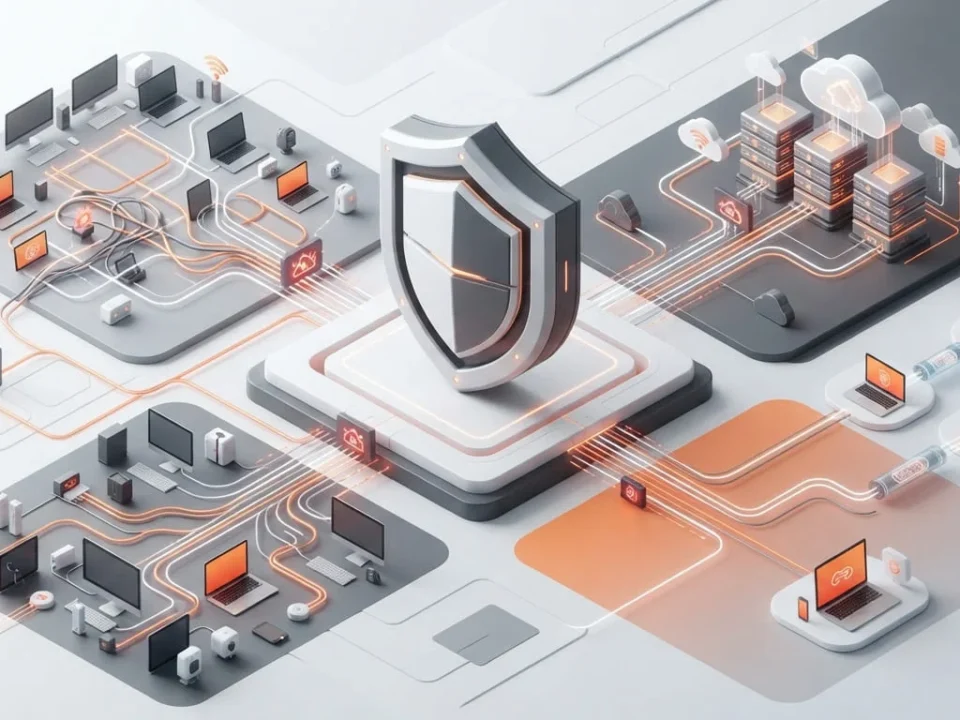
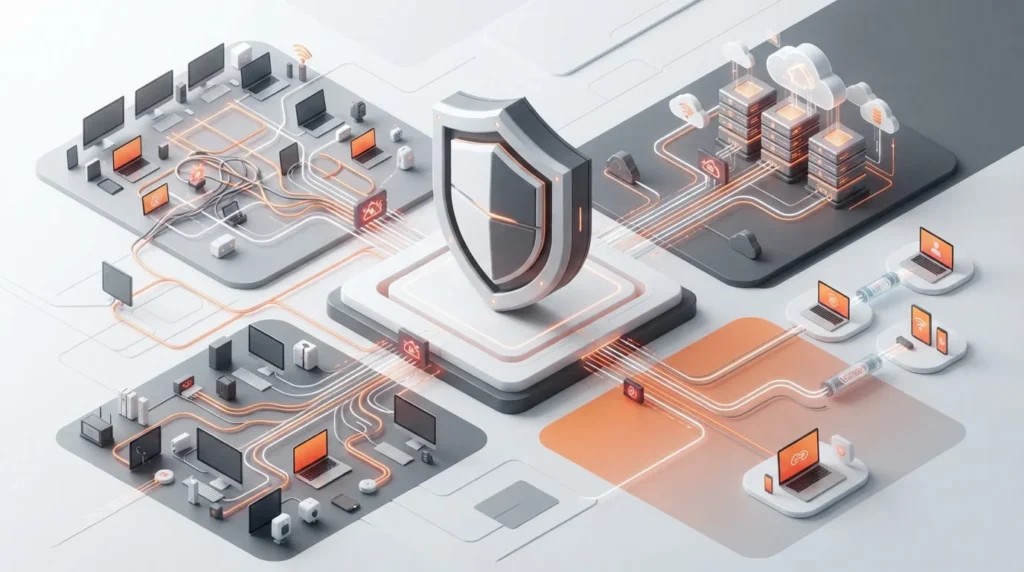
The concept of enterprise infrastructure has evolved dramatically. It now extends beyond physical servers and firewalls into virtual machines, containers, microservices, identity providers, and cloud-native resources spread across multiple environments. Infrastructure today is not a static backbone; it is a living, adaptive ecosystem composed of distributed and interdependent components.
This transformation has led to new challenges. As systems scale horizontally across on-premise data centers, cloud platforms, and remote endpoints, it becomes significantly harder to track activity and enforce consistent security policies. Network boundaries are blurred, and traditional tools often fail to provide cohesive oversight.
The Gaps in Legacy Monitoring Approaches
Many companies still rely on fragmented monitoring solutions that operate in silos. These tools may log activities within a specific system or application, but they lack the contextual understanding needed to detect complex threats such as lateral movement, privilege escalation, or data exfiltration.
Compounding the issue is the growing volume of logs and telemetry data generated by infrastructure components. Security teams often face alert fatigue, manually reviewing thousands of events without the necessary correlation logic or automation to distinguish real threats from noise. According to a 2023 report by IBM Security, over 40% of security alerts in enterprise environments are either missed or ignored due to volume and lack of context.
Continuous monitoring fills this gap by providing an integrated, automated, and always-on approach to threat detection and risk management. It enables organizations to move from reactive incident response to proactive threat hunting and strategic prevention.
Why Real-Time Visibility Is Essential
Security monitoring is most effective when it is continuous, contextual, and aligned with business processes. Real-time monitoring allows organizations to detect anomalies the moment they occur — not days or weeks later, when the damage is already done.
With advanced analytics and behavioral baselines, continuous monitoring helps identify subtle indicators of compromise. For example, a sudden spike in data access from an internal user during off-hours may signal insider abuse or account compromise. Similarly, repeated failed login attempts from an unfamiliar IP address could indicate a brute-force attack in progress.
These events, if caught early, can be contained before attackers pivot across systems or access sensitive information. The value of speed in detection and response cannot be overstated — even a 30-minute delay can mean the difference between containment and a full-blown breach.
The Importance of Monitoring in Cloud and Hybrid Environments
As organizations increasingly adopt multi-cloud and hybrid deployments, they inherit not only operational complexity but also new security challenges. Each platform — whether AWS, Azure, or GCP — has its own security tools, configurations, and logging mechanisms. Without unifying these elements, businesses risk blind spots and inconsistent policy enforcement.
This is why adopting cloud security monitoring solutions becomes essential. These platforms provide centralized visibility across diverse cloud services and integrate with various native APIs to collect logs, metrics, and configuration data. More importantly, they can apply uniform threat detection logic, enabling organizations to maintain security parity across environments.
According to Gartner, cloud misconfigurations remain one of the top causes of data breaches in enterprise environments. Continuous monitoring can detect such issues in real-time, whether it's an overly permissive S3 bucket, unencrypted database, or exposed administrative console — allowing security teams to respond before a vulnerability is exploited.
Embedding Monitoring into Infrastructure by Design
One of the most effective ways to ensure visibility and control is to build monitoring capabilities directly into the infrastructure during its design phase. This involves integrating telemetry, logging agents, SIEM connectors, and access control hooks from the start — not as an afterthought.
Security teams should collaborate with infrastructure architects to define security baselines, data retention policies, and integration points for analytics tools. This approach not only ensures technical compatibility but also aligns with compliance mandates such as ISO/IEC 27001, SOC 2, and GDPR.
In a well-architected environment, every workload — whether a microservice in Kubernetes or a database in Azure — is observable, auditable, and monitored continuously. This level of design maturity is key to building scalable and secure systems that can withstand sophisticated threat campaigns.
Business Continuity and Compliance Through Monitoring
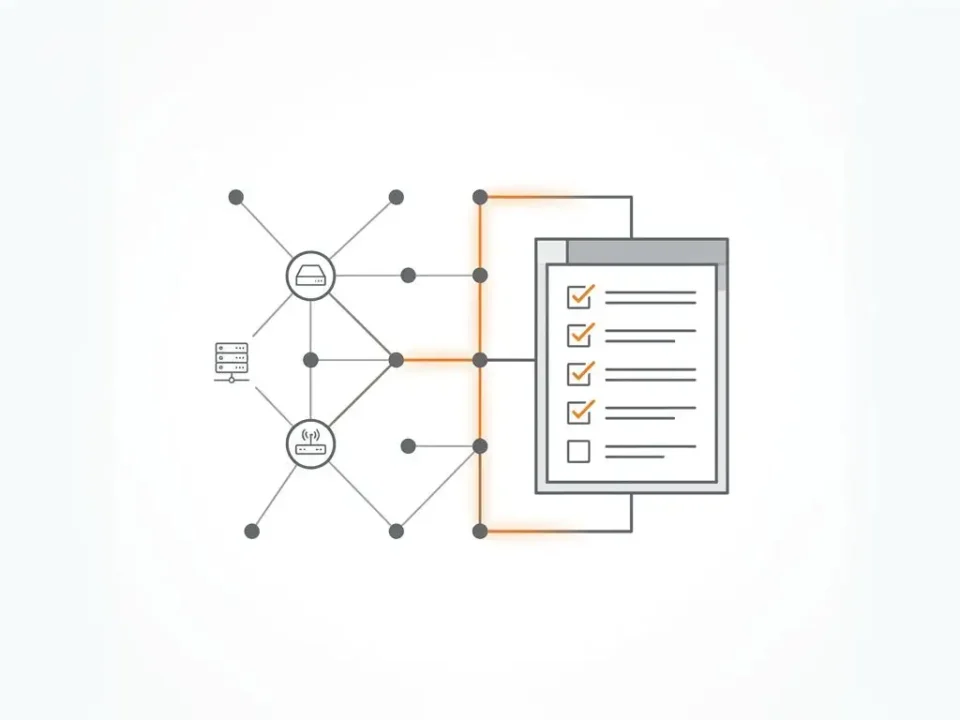
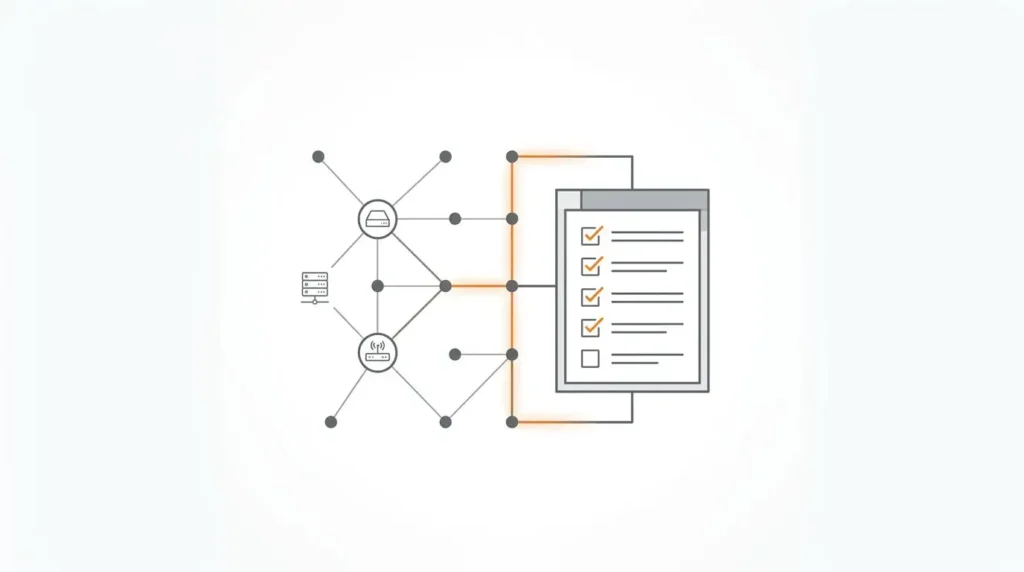
Continuous security monitoring doesn’t just improve threat detection — it also supports operational resilience and regulatory compliance. Many modern standards now explicitly require ongoing monitoring, log analysis, and audit trail preservation as part of their certification process.
For example, the NIST Cybersecurity Framework emphasizes continuous monitoring as a foundational activity in the Detect and Respond functions. Similarly, PCI DSS and HIPAA require regular review of access logs and security events. By maintaining continuous oversight, organizations can more easily demonstrate due diligence and respond to audit requests with confidence.
From a business perspective, monitoring ensures that critical systems remain available, performant, and protected against known and unknown threats. It helps mitigate downtime, reputational damage, and costly post-incident investigations.
Conclusion
As threats become more targeted and infrastructure grows more distributed, organizations must evolve from periodic checks to persistent vigilance. Continuous security monitoring bridges this gap by delivering the visibility, control, and speed required to defend complex IT ecosystems.
When embedded into a well-designed enterprise infrastructure, continuous monitoring becomes a strategic enabler — not just a compliance checkbox. It empowers businesses to stay ahead of threats, ensure compliance, and build trust in their digital operations.