
The Hidden Complexity of VoIP: Why Businesses Need Specialized Engineers

Avoiding Data Loss and Downtime: The Critical Role of a Database Administrator
Why CI/CD Is Essential for Modern Development — and How Outstaffing Helps
Introduction
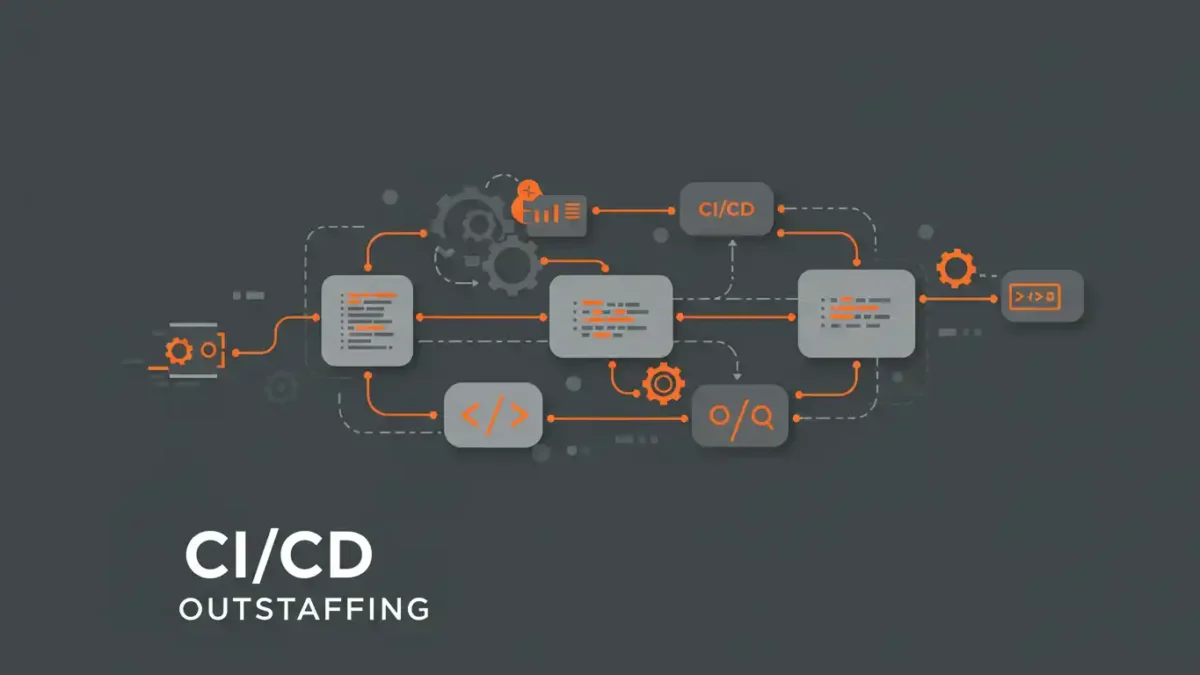
In today’s fast-paced digital landscape, delivering high-quality software rapidly and reliably is paramount. Continuous Integration and Continuous Deployment (CI/CD) have emerged as critical practices in modern software development, enabling teams to automate and streamline the software delivery process. However, implementing and maintaining effective CI/CD pipelines requires specialized expertise. This is where outstaffing becomes a strategic solution, allowing organizations to access skilled professionals without the overhead of traditional hiring processes.
Understanding CI/CD
CI/CD stands for Continuous Integration and Continuous Deployment.
- Continuous Integration (CI): This practice involves developers regularly merging their code changes into a central repository, followed by automated builds and tests. CI aims to detect and address integration issues early, improving software quality and reducing the time to release.
- Continuous Deployment (CD): Building upon CI, CD automates the release of validated code to production environments. This ensures that new features, bug fixes, and updates are delivered to users quickly and efficiently.
Together, CI/CD practices foster a culture of frequent, reliable software releases, aligning development efforts with business objectives.
The Importance of CI/CD in Modern Development
Implementing CI/CD offers numerous benefits:
- Accelerated Time-to-Market: Automated testing and deployment reduce manual intervention, enabling faster release cycles.
- Improved Code Quality: Regular integration and testing help identify defects early, minimizing the risk of bugs in production.
- Enhanced Collaboration: CI/CD encourages collaboration among development, testing, and operations teams, fostering a DevOps culture.
- Scalability: Automated pipelines can handle increasing workloads, supporting the growth of applications and user bases.
- Customer Satisfaction: Frequent updates and rapid delivery of new features improve user experience and satisfaction.
Challenges in Implementing CI/CD
Despite its advantages, adopting CI/CD can present challenges:
- Complex Toolchains: Integrating various tools for version control, testing, and deployment requires careful planning and expertise.
- Cultural Shift: Transitioning to a CI/CD approach necessitates changes in team dynamics and workflows, which can encounter resistance.
- Security Concerns: Automating deployments introduces potential security vulnerabilities if not properly managed.
- Resource Constraints: Small teams may lack the necessary personnel or skills to implement and maintain CI/CD pipelines effectively.
The Role of a CI/CD Specialist
A ci/cd specialist plays a pivotal role in overcoming these challenges. Their responsibilities include:
- Designing and Implementing Pipelines: Creating efficient, reliable CI/CD workflows tailored to the organization’s needs.
- Tool Integration: Selecting and integrating appropriate tools for source control, testing, and deployment.
- Monitoring and Optimization: Continuously assessing pipeline performance and making improvements to enhance efficiency.
- Ensuring Security: Implementing best practices to secure the CI/CD process, including access controls and vulnerability scanning.
- Training and Support: Educating team members on CI/CD practices and providing ongoing support.
How Outstaffing Facilitates CI/CD Implementation
Outstaffing, or it-outstaffing, involves hiring external professionals to work remotely as part of your team. This model offers several advantages for organizations looking to implement or enhance their CI/CD processes:
- Access to Expertise: Outstaffing provides access to a global talent pool, enabling organizations to find specialists with the exact skills required for CI/CD implementation.
- Cost-Effectiveness: Hiring external specialists can be more economical than recruiting full-time employees, especially for short-term projects.
- Flexibility: Outstaffed professionals can be engaged on a project-by-project basis, allowing organizations to scale their teams according to current needs.
- Faster Onboarding: Experienced outstaffed specialists can quickly integrate into existing teams, accelerating the CI/CD adoption process.
- Focus on Core Activities: By delegating CI/CD responsibilities to outstaffed experts, internal teams can concentrate on core business functions.
Best Practices for Successful CI/CD and Outstaffing Integration
To maximize the benefits of combining CI/CD practices with outstaffing, consider the following best practices:
- Clear Communication: Establish transparent communication channels to ensure alignment between internal teams and outstaffed specialists.
- Defined Objectives: Set clear goals and expectations for CI/CD implementation to guide the efforts of all team members.
- Regular Monitoring: Continuously monitor the performance of CI/CD pipelines and make adjustments as needed.
- Security Protocols: Implement robust security measures to protect the integrity of the CI/CD process.
- Continuous Learning: Encourage knowledge sharing and ongoing training to keep teams updated on the latest CI/CD tools and practices.
Conclusion
Continuous Integration and Continuous Deployment (CI/CD) have become indispensable in modern software development. They enable teams to deliver high-quality applications quickly, reduce manual overhead, and respond to market demands with agility. But while the tools and frameworks supporting CI/CD have matured, their implementation still presents significant technical and operational challenges.
That’s why companies increasingly turn to specialized talent to unlock the full benefits of CI/CD. A qualified ci/cd specialist brings the deep knowledge and practical experience needed to design, optimize, and maintain robust automation pipelines. When internal capacity or expertise is lacking, it-outstaffing offers a powerful solution—providing access to skilled professionals who can seamlessly integrate with your team, accelerate your DevOps maturity, and reduce the risk of implementation delays or missteps.
In an era where software agility defines competitiveness, CI/CD is no longer a luxury—it’s a necessity. With the right people and processes in place, businesses can move faster, build more reliably, and innovate with confidence.
Sources
- Atlassian – Continuous Integration vs. Continuous Delivery vs. Continuous Deployment
- Microsoft Azure – CI/CD overview | Azure DevOps