Top 10 Network Security Threats in 2024 and How to Prevent Them

Network Security for Remote Workforces: VPNs, Firewalls, and Beyond

The Role of Network Segmentation in Preventing Cyber Attacks
Introduction
In today’s interconnected digital landscape, cyber threats are becoming increasingly sophisticated, posing significant risks to organizations of all sizes. To combat these threats, businesses must implement robust security measures. One such critical measure is network segmentation, a strategy that divides a network into smaller, isolated segments to enhance security and control. This article delves into the importance of network segmentation in preventing cyber attacks, its implementation, and best practices.
Understanding Network Segmentation
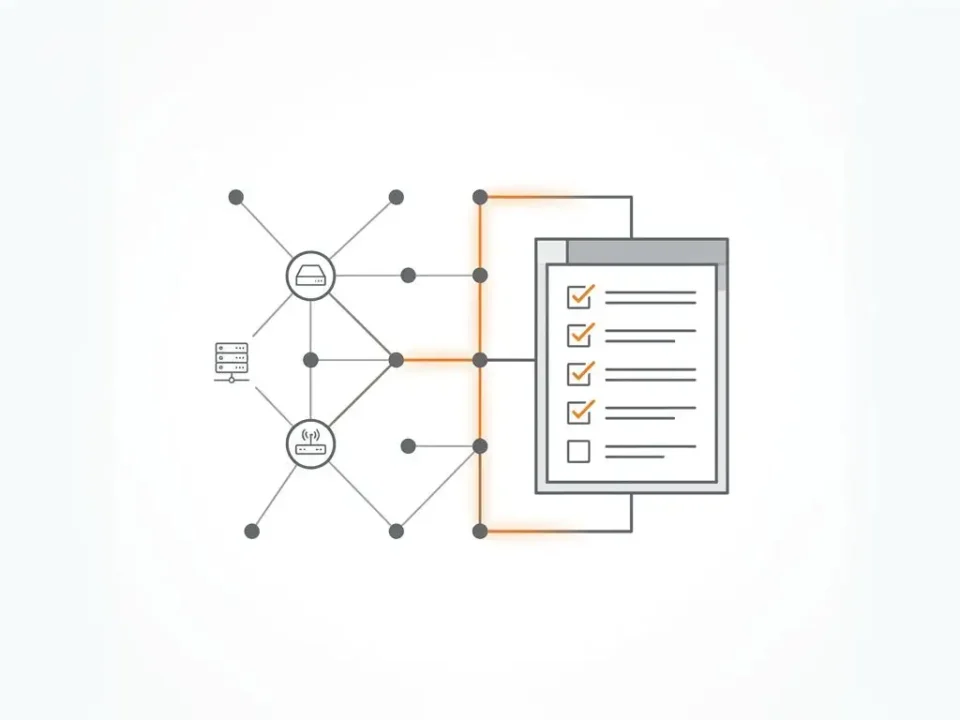
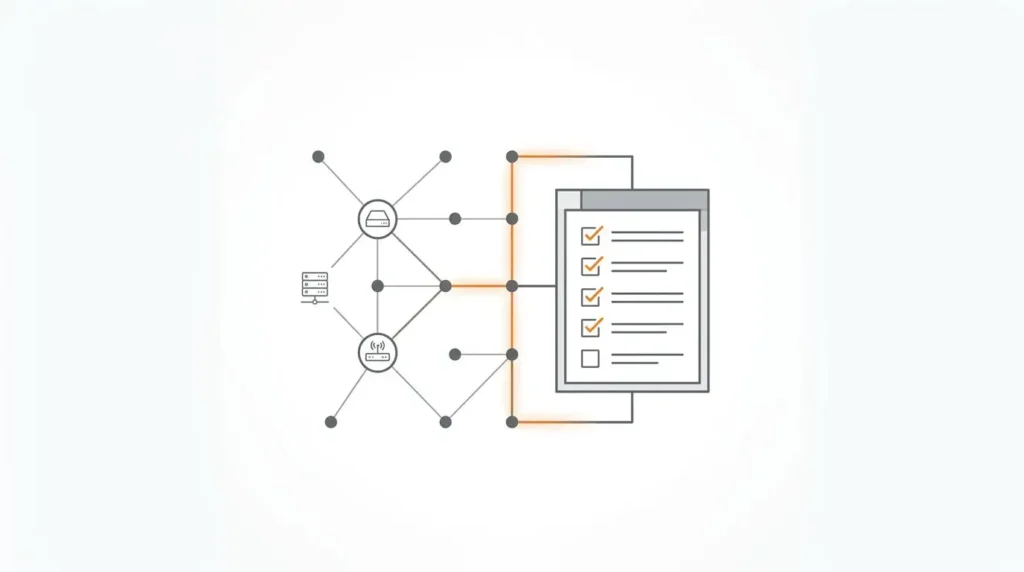
Network segmentation involves dividing a computer network into distinct sub-networks, each functioning as an isolated segment. This approach improves security by controlling traffic flow between segments, thereby limiting unauthorized access and potential breaches. Segmentation can be achieved through various means, including physical separation using dedicated hardware and virtual segmentation through technologies like Virtual Local Area Networks (VLANs) and Software-Defined Networking (SDN). By implementing these methods, organizations can create boundaries that restrict lateral movement within the network, effectively containing potential threats.
Common Cyber Threats Mitigated by Network Segmentation
- Ransomware Containment:
Ransomware attacks often spread laterally across networks, encrypting data and disrupting operations. Network segmentation confines such attacks to a single segment, preventing them from affecting the entire network. This containment strategy is crucial in minimizing the impact of ransomware incidents. - Insider Threats:
Insider threats, whether intentional or accidental, pose significant security risks. By segmenting the network, organizations can enforce strict access controls, ensuring that users only have access to the segments necessary for their roles. This limitation reduces the potential damage from compromised internal accounts. - DDoS Attack Mitigation:
Distributed Denial-of-Service (DDoS) attacks aim to overwhelm network resources, causing service disruptions. Segmentation allows critical services to be isolated, so even if one segment is targeted, essential functions remain unaffected, maintaining business continuity. - Data Breach Prevention:
In the event of a breach, network segmentation restricts unauthorized access to a limited segment, preventing attackers from moving freely across the network. This restriction is vital in protecting sensitive information and maintaining the integrity of unaffected segments.
The Role of Network Administration in Implementing Segmentation
Effective network segmentation requires meticulous planning and execution, tasks that fall under the purview of network administration. Network administrators are responsible for designing the network architecture, configuring segmentation policies, and continuously monitoring network traffic to detect and respond to anomalies. Their expertise ensures that segmentation aligns with organizational objectives and security requirements. By implementing robust segmentation strategies, network administrators play a pivotal role in fortifying the organization’s defense against cyber threats.
Types of Network Segmentation Strategies
- Physical Segmentation:
This approach involves using separate hardware components to create isolated network segments. While offering high security, it can be resource-intensive and may lack flexibility. - Virtual Segmentation:
Utilizing technologies like VLANs and SDNs, virtual segmentation creates logical divisions within the same physical network infrastructure. This method is cost-effective and offers greater flexibility in managing and adjusting segments as needed. - Micro-Segmentation:
A granular form of segmentation, micro-segmentation applies security policies to individual workloads or applications. This strategy is particularly effective in environments with dynamic workloads, such as cloud computing, providing tailored security controls at a detailed level. - Hybrid Segmentation:
Combining physical and virtual segmentation approaches, hybrid segmentation offers a balanced solution that leverages the strengths of both methods to meet diverse security and operational needs.
Benefits of Network Segmentation Beyond Security
Beyond enhancing security, network segmentation offers several additional advantages:
- Improved Network Performance:
By reducing broadcast traffic within each segment, network segmentation decreases congestion, leading to better performance and more efficient data flow. - Regulatory Compliance:
Segmentation aids in meeting compliance requirements by isolating sensitive data and controlling access, thereby simplifying the implementation of regulatory controls and audits. - Simplified Management:
Dividing the network into manageable segments allows for targeted monitoring and maintenance, making it easier to identify and address issues without affecting the entire network.
Challenges and Best Practices in Network Segmentation
Implementing network segmentation comes with challenges, including potential complexity and the need for continuous management. To overcome these challenges, organizations should consider the following best practices:
- Conduct Regular Audits:
Periodic reviews of network segments help identify vulnerabilities and ensure that security policies are up-to-date and effective. - Avoid Over or Under-Segmentation:
Striking a balance is crucial; over-segmentation can lead to unnecessary complexity, while under-segmentation may leave the network vulnerable. Assessing the organization’s specific needs will guide appropriate segmentation levels. - Limit Third-Party Access:
Restricting access for third-party vendors to only necessary segments minimizes potential entry points for attackers, thereby reducing security risks. - Implement Least Privilege Access:
Ensuring that users have only the access necessary for their roles reduces the risk of internal threats and limits the potential impact of compromised accounts. - Continuous Monitoring:
Employing real-time monitoring tools enables the detection of suspicious activities promptly
Network Segmentation as Part of a Holistic Security Strategy
Network segmentation isn’t a standalone solution—it works best when integrated with other network security solutions like firewalls, endpoint protection, and security information and event management (SIEM) systems. By combining these strategies, organizations can create a robust defense against modern cyber threats.
Conclusion
In today’s complex cybersecurity landscape, network segmentation is no longer optional—it’s a necessity. It serves as a critical barrier against ransomware, insider threats, and data breaches, providing an extra layer of defense that can mean the difference between a minor incident and a catastrophic breach.
Effective segmentation requires thoughtful planning, ongoing management, and a solid understanding of what is network administration. By adopting best practices and possibly partnering with service network administration providers, businesses can strengthen their networks, reduce vulnerabilities, and better protect their most valuable digital assets.