
The Role of Outstaffing in Agile Development

Firewalls and VPNs: How They Work Together to Secure Remote Access
The Role of Firewalls in Cloud Security: Best Practices for Protecting Data in the Cloud
Introduction
Cloud computing has become a vital part of many businesses, providing scalable resources and flexible solutions. As organizations move their operations to the cloud, securing data becomes a critical concern. Firewalls play a crucial role in protecting cloud environments by controlling incoming and outgoing network traffic based on predefined security rules.
This article explores the importance of firewalls in cloud security and outlines best practices for their implementation. Understanding how to effectively use firewalls can help organizations safeguard their data and maintain a secure cloud infrastructure.
Understanding Cloud Security
Definition of Cloud Security
Cloud security refers to the set of policies, technologies, and controls designed to protect data, applications, and infrastructure in cloud computing environments. It involves measures that safeguard cloud-based systems from various threats, ensuring data integrity, confidentiality, and availability.
Importance of Securing Data in the Cloud
As businesses increasingly rely on cloud services, securing sensitive information becomes essential. Key reasons for prioritizing cloud security include:
- Data Protection: Preventing unauthorized access to sensitive data.
- Compliance: Meeting regulatory requirements and industry standards.
- Business Continuity: Ensuring operational resilience in the face of cyber threats.
- Customer Trust: Maintaining the confidence of clients and stakeholders by demonstrating robust security measures.
Common Threats to Cloud Data
Organizations face several security threats when using cloud services. Common threats include:
- Data Breaches: Unauthorized access to sensitive data.
- Malware Attacks: Infections that compromise data integrity and system functionality.
- Denial of Service (DoS) Attacks: Overloading services to disrupt availability.
- Insider Threats: Risks posed by employees or contractors with access to sensitive information.
Understanding these threats is crucial for implementing effective security measures, including firewalls.
What Are Firewalls?
Definition and Purpose of Firewalls
A firewall is a network protection device that monitors and controls incoming and outgoing network traffic based on predetermined security rules. Its primary purpose is to establish a barrier between a trusted internal network and untrusted external networks, such as the internet. By filtering traffic, firewalls help protect networks and devices from unauthorized access and various cyber threats.
Different Types of Firewalls
There are several types of firewalls, each with unique features and functions:
- Hardware Firewalls: These are physical devices that sit between the network and the gateway. They provide a robust layer of protection and are commonly used in enterprise environments.
- Software Firewalls: Installed on individual devices, these firewalls monitor traffic to and from that device. They offer customizable protection and are often used on personal computers.
- Next-Generation Firewalls (NGFW): These advanced firewalls combine traditional firewall capabilities with additional features such as application awareness, intrusion prevention systems (IPS), and deep packet inspection. NGFWs provide more comprehensive security for modern threats.
- Cloud Firewalls: Also known as Firewall as a Service (FWaaS), these are designed to protect cloud-based infrastructure. They provide scalable security solutions for organizations using cloud services.
Understanding the different types of firewalls is essential for selecting the right solution for a cloud environment.
The Role of Firewalls in Cloud Security
How Firewalls Protect Cloud Infrastructure
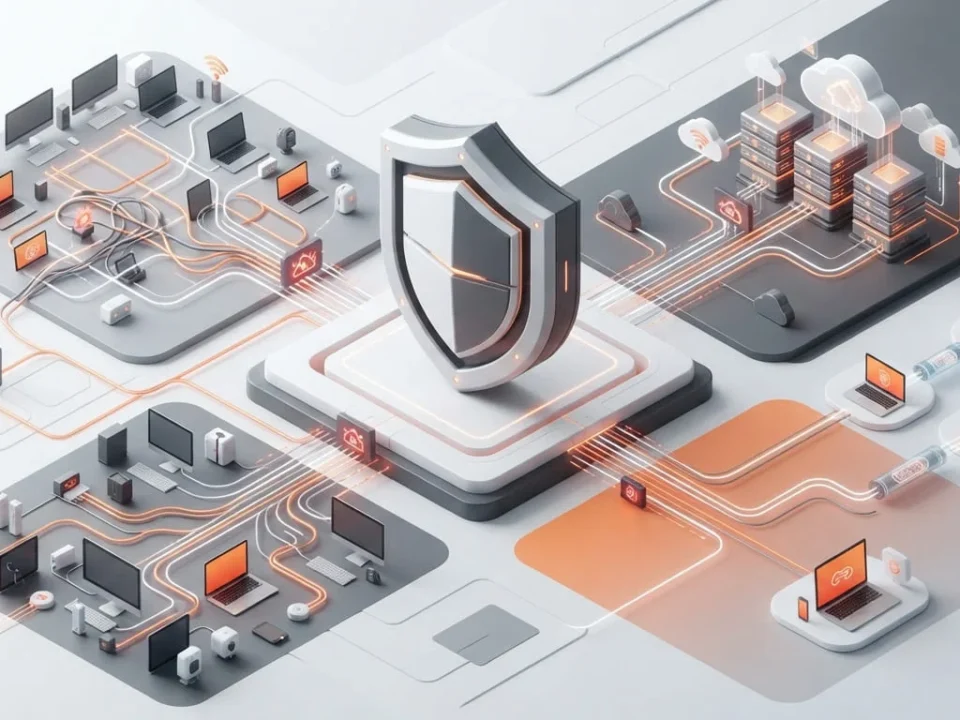
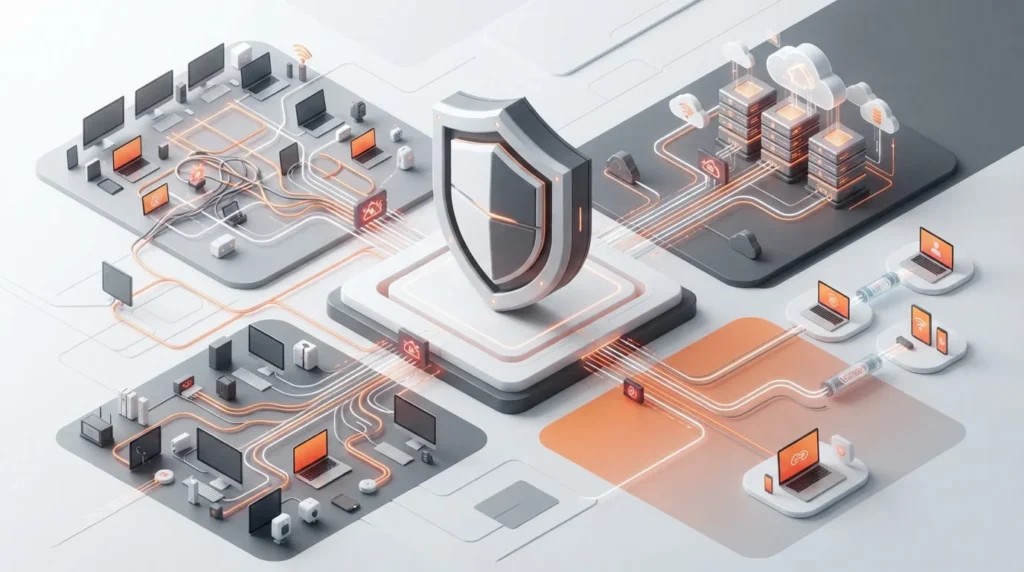
Firewalls serve as a crucial line of defense for cloud infrastructure, protecting sensitive data and resources from potential threats. By monitoring the flow of traffic to and from cloud services, firewalls play a vital role in maintaining a secure environment. They operate by analyzing data packets, determining whether to allow or block them based on established security rules.
This process of traffic filtering ensures that unauthorized access is prevented, while legitimate user requests are permitted to pass through seamlessly. In addition to blocking malicious traffic, many firewalls are equipped with advanced threat detection capabilities. These features allow them to identify potential threats in real time, such as malware or attempts at unauthorized access, enabling prompt responses to mitigate risks.
Furthermore, firewalls facilitate the segmentation of cloud environments into secure zones. This segmentation limits access to sensitive data and applications, ensuring that even if one part of the cloud infrastructure is compromised, the damage can be contained.
Integration of Firewalls in Cloud Environments
Integrating firewalls into cloud environments is essential for robust security. This integration can take various forms, including deployment as part of the cloud service provider’s infrastructure or as dedicated virtual appliances within the cloud setup. Regardless of the approach, proper configuration is key. Setting up firewall rules that align with the organization’s security needs ensures that cloud resources are adequately protected without impeding legitimate user access.
Ongoing monitoring of firewall activity is also critical. By continuously analyzing traffic patterns and security events, organizations can quickly identify anomalies that may indicate potential security incidents. This proactive approach helps maintain a strong security posture in an ever-evolving threat landscape.
Firewall Features Essential for Cloud Security
When selecting a firewall for cloud security, organizations should consider several essential features. Scalability is vital; as cloud usage grows, the security infrastructure must be able to adapt accordingly. Additionally, application awareness is crucial, as modern threats often target specific applications rather than simply exploiting network vulnerabilities. Firewalls with this capability can control traffic based on the application, providing an additional layer of security.
Intrusion prevention features are also important, enabling firewalls to detect and block known threats before they can compromise the system. Lastly, robust logging and reporting capabilities are essential for maintaining detailed records of traffic and security events. This information is invaluable for analysis and compliance purposes.
By effectively utilizing firewalls, organizations can significantly enhance their cloud security posture, ensuring that valuable data assets remain protected against evolving threats.
Best Practices for Implementing Firewalls in Cloud Security
Assessing Security Needs
Before implementing firewalls in a cloud environment, organizations must evaluate their specific security requirements. This assessment involves identifying sensitive data, understanding compliance obligations, and recognizing potential threats. By determining what needs protection, organizations can tailor their firewall configurations to effectively safeguard critical assets.
Choosing the Right Firewall
Selecting the appropriate firewall for cloud security is a vital decision. Factors to consider include:
- Deployment Model: Determine whether a hardware, software, or cloud-based firewall best meets the organization’s needs.
- Scalability: Ensure the firewall can scale with the organization’s growth and changing cloud usage.
- Feature Set: Look for features such as application awareness, intrusion prevention, and logging capabilities to enhance security.
Configuring Firewall Rules
Proper configuration of firewall rules is essential for effective protection. Best practices include:
- Least Privilege Principle: Grant the minimum level of access necessary for users and applications to perform their functions.
- Regular Reviews: Periodically review and update firewall rules to adapt to changing business needs and threat landscapes.
- Segmentation: Use firewall rules to segment different parts of the cloud environment, limiting access to sensitive data.
Regular Updates and Maintenance
Keeping firewall software up to date is crucial for maintaining security. Regular updates help protect against newly discovered vulnerabilities and threats. Organizations should establish a maintenance schedule to ensure that firewalls are consistently updated and patched.
Monitoring and Logging
Effective monitoring and logging are key components of cloud security. Organizations should implement continuous monitoring of firewall activity to detect unusual patterns or potential threats. Maintaining detailed logs of traffic and security events allows for better analysis and compliance with regulatory requirements. Regularly reviewing these logs can provide insights into the effectiveness of the firewall and highlight areas for improvement.
By following these best practices, organizations can enhance their firewall implementations, ensuring robust protection for their cloud environments and sensitive data.
Challenges in Using Firewalls in Cloud Security
While firewalls are integral to securing cloud environments, organizations often encounter several challenges during their implementation and ongoing management. Recognizing these challenges is essential for maintaining effective security.
Potential Limitations of Firewalls in Cloud Environments
One of the primary challenges is visibility. In dynamic cloud environments, where resources can rapidly change, achieving complete visibility of all network traffic can be difficult. This lack of visibility complicates monitoring efforts and can impede timely threat detection, leaving organizations vulnerable.
Configuration complexity is another significant issue. Properly setting up firewalls to meet specific security needs requires careful planning and execution. Misconfigurations can create security gaps, allowing unauthorized access while inadvertently blocking legitimate user traffic.
Performance impact is also a concern. While firewalls are designed to protect, they can introduce latency into cloud applications. Organizations must strike a balance between robust security measures and maintaining optimal performance for users.
Common Misconfigurations and How to Avoid Them
Misconfigurations are a frequent challenge in firewall management. Some common errors include overly broad rules, which allow excessive traffic and increase vulnerability. To mitigate this risk, organizations should adhere to the principle of least privilege, granting only the necessary access to users and applications.
Another common pitfall is the failure to update firewall rules. As business needs evolve and new threats emerge, it is crucial to regularly review and modify rules accordingly. Neglecting this can leave organizations exposed to outdated security risks.
Inadequate logging also poses a challenge. Without sufficient logging, organizations may struggle to respond effectively to security incidents. Properly configured logging is essential for capturing relevant security events and enabling effective incident response.
To navigate these challenges, organizations can implement several strategies:
- Conduct Regular Audits: Periodic reviews of firewall configurations can ensure alignment with security policies and industry best practices.
- Implement Change Management: Establishing a change management process helps to systematically review and approve modifications to firewall settings, reducing the risk of misconfigurations.
- Provide Training: Ensuring that personnel responsible for managing firewalls receive adequate training is critical. Knowledge of best practices and the organization’s specific firewall configuration can help prevent errors.
By proactively addressing these challenges, organizations can enhance their firewall management and strengthen their overall cloud security posture.
Conclusion
Firewalls are a fundamental component of cloud security, playing a crucial role in protecting sensitive data and maintaining a secure cloud environment. As organizations increasingly adopt cloud computing, understanding how to effectively implement and managed firewalls services becomes essential.
By assessing security needs, choosing the right firewall, and configuring rules appropriately, organizations can establish a strong defense against potential threats. Regular updates and thorough monitoring further enhance security, ensuring that firewalls continue to protect against evolving risks.
While challenges such as visibility, configuration complexity, and performance impact exist, proactive strategies can mitigate these issues. By conducting regular audits, implementing change management processes, and providing adequate training, organizations can strengthen their firewall management.
In summary, effective firewall implementation is vital for safeguarding cloud infrastructure and ensuring the security of valuable data assets. By following best practices and addressing challenges, organizations can significantly enhance their cloud security posture and protect against potential threats.