
The Role of Artificial Intelligence in Cyber Threat Monitoring: The Future of Data Protection

The Role of Blockchain in Data Security: Can Decentralization Prevent Cyber Threats?
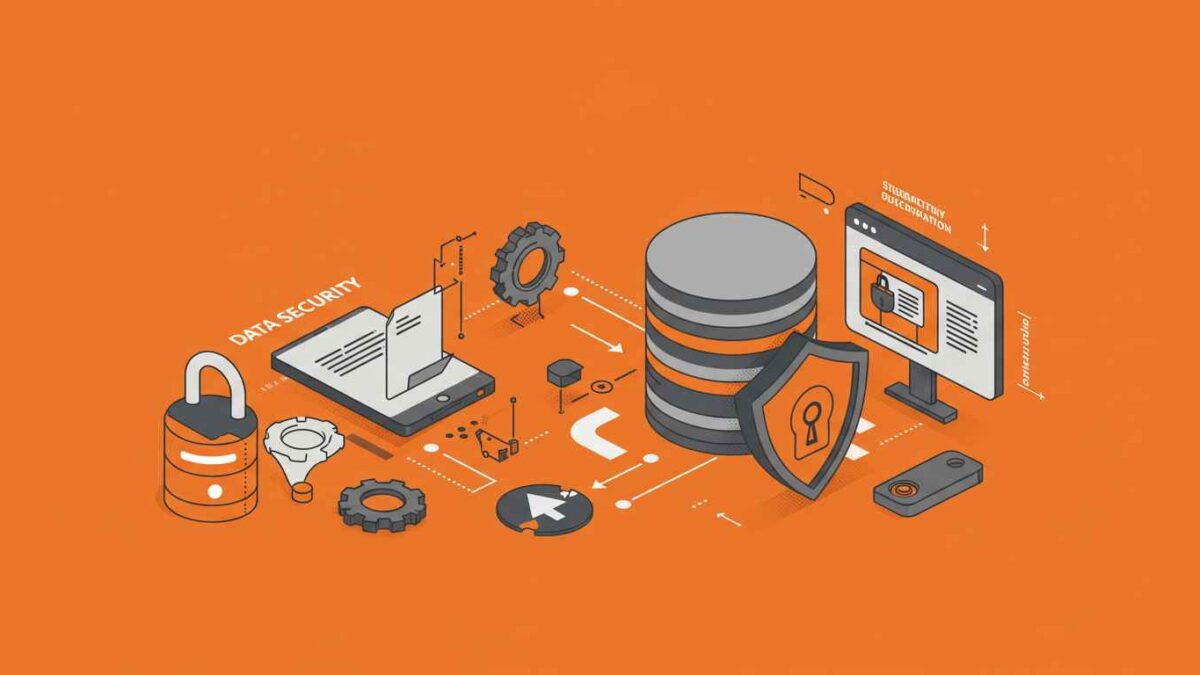
The Hidden Costs of Data Breaches: How Poor Security Can Drain Your Business
Introduction
In the era of digital transformation, businesses thrive on data. Whether it’s customer profiles, financial transactions, or intellectual property, sensitive information has become a cornerstone of modern operations. Yet, this dependence on digital assets comes with substantial risks. Data breaches are more than just security failures—they set off a chain reaction of financial strain, reputational damage, and operational chaos. Ignoring cybersecurity isn’t just risky; it’s a silent drain on the very foundation of business stability.
The Financial Fallout: When a Breach Becomes a Bottom-Line Disaster
Every cybersecurity lapse carries a financial burden, but the true cost of a breach extends far beyond the initial data loss. Companies often find themselves facing unexpected and escalating expenses.
- Regulatory Penalties and Legal Liabilities
Compliance laws are tightening worldwide, and organizations that mishandle customer data face severe financial consequences. Regulations such as GDPR, HIPAA, and CCPA impose crushing fines for breaches, sometimes amounting to millions. Additionally, companies must allocate significant resources to post-breach audits, legal consultations, and compliance upgrades. - Compensation Claims and Lawsuits
When customers or stakeholders suffer due to compromised data, they often take legal action. Lawsuits, especially in cases of negligence, can result in substantial settlement payouts. A single class-action suit can deplete financial reserves faster than anticipated, creating long-term instability. - Loss of Revenue and Market Position
Consumer trust is fragile. One security lapse can send loyal customers rushing to competitors with stronger protections. Studies reveal that businesses experiencing breaches often suffer decreased sales for months or even years, as regaining customer confidence proves to be a slow and arduous process. - Escalating Costs of Cybersecurity Reinforcement
Once a company experiences a breach, urgent security enhancements become non-negotiable. Investing in high-end encryption, advanced monitoring systems, and expert security personnel demands significant capital, making prevention far more cost-effective than recovery.
Reputational Damage: A Crisis That Money Can’t Easily Fix
Trust is the foundation of every business relationship, and when data security fails, reputation takes an irreversible hit.
- Customer Distrust and Brand Deterioration
Consumers entrust businesses with their data, assuming it’s well-protected. When that trust is shattered, loyalty dissolves. Negative publicity spreads quickly, especially in the digital age, where social media amplifies customer dissatisfaction. - Stock Devaluation and Investor Skepticism
The financial markets react swiftly to security disasters. A well-publicized breach can lead to a decline in stock value, discouraging investors and triggering long-term instability. Rebuilding financial confidence demands strategic reassurances and transparency in security reforms. - Diminished Talent Acquisition Prospects
Employees value a company’s integrity, and top talent gravitates towards organizations with strong cybersecurity measures. If a business develops a reputation for failing to protect data, attracting highly skilled professionals becomes a significant challenge.
Operational Disruptions: When Cybersecurity Failures Stall Business Growth
Beyond financial and reputational setbacks, breaches introduce logistical nightmares that hinder daily operations.
- System Outages and Productivity Collapse
Many cyberattacks, particularly ransomware, lock businesses out of critical data, grinding operations to a halt. Recovery requires time, effort, and costly intervention—each hour lost translates into revenue slipping away. - Overloaded IT Teams and Resource Drain
Addressing the aftermath of a breach demands extensive investigation, repairs, and continuous monitoring. IT departments are forced to divert focus from innovation and business development to damage control, straining internal resources. - Supply Chain Vulnerabilities and Business Continuity Risks
Businesses rely on interconnected vendor networks, and a compromised third-party provider can inadvertently expose multiple organizations to security threats. Ensuring that partners adhere to stringent security standards is critical for minimizing external risks.
Proactive Defense: Securing Your Business Against Hidden Threats
Cybersecurity is no longer optional—it’s a fundamental business requirement. Companies must take decisive action to safeguard their digital assets.
- Strengthen Information and Data Security Measures
Implementing multi-layer encryption, endpoint protection, and continuous risk assessments ensures that vulnerabilities are addressed before they escalate into full-scale breaches. - Leverage Outsource IT Security Solutions
Cyber threats evolve rapidly, making in-house security maintenance challenging. Partnering with specialized IT security firms provides businesses access to cutting-edge defenses, real-time threat monitoring, and expert guidance. - Limit Data Accessibility with Enhanced Permissions
Restricting data access to only essential personnel significantly reduces exposure to internal threats and human error. Comprehensive authentication protocols further reinforce security layers. - Develop a Crisis-Ready Incident Response Framework
A detailed breach response plan accelerates damage control, enabling businesses to act swiftly, minimize disruptions, and restore normalcy efficiently.
Conclusion
Data breaches aren’t just cybersecurity issues—they are full-scale business threats that drain financial resources, erode trust, and destabilize operations. Prioritizing information and data security and leveraging outsource IT security solutions aren’t just smart investments—they’re essential survival strategies in today’s digital economy.