Cloud vs. On-Premise Network Management: Which One Is Right for You?

Wi-Fi Security Essentials: How to Protect Your Wireless Networks
Network Downtime Costs: How Proactive Maintenance Saves Businesses Money
Introduction
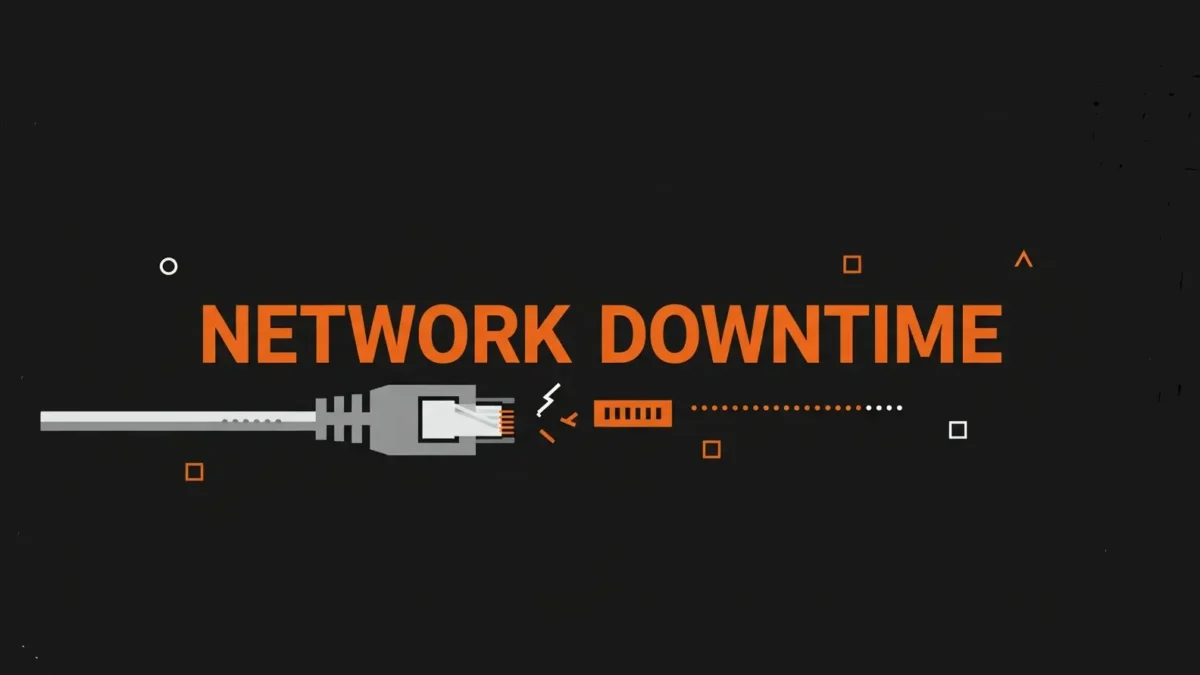
In today’s hyper-connected world, businesses rely heavily on network availability to maintain daily operations, communicate with clients, and process transactions. Even a minor disruption can have far-reaching consequences, leading to significant financial losses, reduced productivity, and reputational damage. Network downtime isn’t just an inconvenience—it can cripple operations and severely impact a company’s bottom line.
The true cost of network downtime is often underestimated until a business experiences it firsthand. According to recent studies, the average cost of network downtime for businesses ranges from $5,600 to $9,000 per minute, depending on company size and industry. For small and mid-sized businesses, even a brief outage can be devastating, while larger corporations may face millions in losses during extended disruptions.
To mitigate these risks, companies are increasingly turning to proactive maintenance strategies. Rather than reacting to network failures after they occur, proactive maintenance focuses on identifying and addressing potential issues before they lead to costly downtime. In this article, we will explore the real cost of network downtime, the benefits of proactive maintenance, and how businesses can leverage strategies like outsourcing to optimize their IT services.
Understanding Network Downtime
Network downtime refers to any period when a system, service, or application is unavailable or fails to operate as intended. Downtime can range from a few seconds of minor disruption to several hours or even days of complete network inaccessibility.
Types of Network Downtime:
- Planned Downtime:
Scheduled maintenance, system upgrades, and hardware replacements that are carefully planned to minimize disruption. While this type of downtime is intentional, it still requires coordination to reduce its impact. - Unplanned Downtime:
Unexpected outages caused by system failures, cyberattacks, or human error. These disruptions are often more damaging because they occur without warning and can be difficult to resolve quickly.
Common Causes of Network Downtime:
- Hardware Failures: Servers, routers, switches, and other network hardware are subject to wear and tear. Over time, they can fail, leading to network outages.
- Software Bugs and Misconfigurations: Incorrect system configurations, outdated software, or incompatible updates can cause system crashes or degraded performance.
- Cybersecurity Threats:
Cyberattacks such as Distributed Denial of Service (DDoS), ransomware, and malware infections can cripple networks and hold systems hostage until demands are met. - Human Error:
Accidental data deletions, misconfigured settings, and poor handling of IT systems contribute significantly to network failures. - Natural Disasters and Power Outages:
Fires, floods, and storms can physically damage infrastructure, while unexpected power failures can abruptly shut down systems.
The Financial Impact of Network Downtime
Network downtime has both direct and indirect costs. While the immediate loss of revenue is the most apparent, hidden costs such as reputational damage, decreased employee productivity, and compliance penalties can add up quickly.
Direct Costs:
- Lost Revenue:
Every minute a network is down can translate into lost sales, unfulfilled orders, and halted production lines. E-commerce businesses, financial institutions, and service providers are particularly vulnerable. - Repair and Recovery Expenses:
Emergency IT support, hardware replacements, and data recovery services can be costly, especially when done reactively. - Penalties and Fines:
In regulated industries, downtime that leads to data breaches or violates service-level agreements (SLAs) can result in hefty fines and legal consequences.
Indirect Costs:
- Decreased Productivity:
When employees can’t access key systems or data, their ability to work efficiently drops, leading to wasted time and resources. - Reputational Damage:
Customers expect reliability. Repeated outages can erode trust, leading to customer attrition and negative reviews. - Loss of Competitive Edge:
Frequent downtime can give competitors an advantage, especially if they offer more reliable services.
Real-World Examples:
- The Amazon AWS Outage (2020):
In November 2020, Amazon Web Services (AWS) experienced a significant outage, affecting thousands of websites and applications. The downtime reportedly cost businesses millions of dollars in lost revenue. - Delta Airlines Outage (2016):
A power outage at Delta’s headquarters caused its reservation system to go offline, resulting in the cancellation of over 2,000 flights. The incident cost the airline an estimated $150 million.
These examples highlight the staggering financial impact that unplanned downtime can have on major corporations—and the risk is even more acute for smaller businesses with fewer resources to absorb such losses.
The Role of Proactive Network Maintenance
Proactive network maintenance focuses on preventing failures before they happen, rather than scrambling to fix them after they occur. This approach involves regular monitoring, system updates, and preemptive troubleshooting to maintain network health and reduce the risk of unexpected outages.
Benefits of Proactive Maintenance:
- Reduced Downtime:
Continuous monitoring and regular system checks allow IT teams to catch and resolve issues before they escalate into major problems. - Cost Savings:
Preventive maintenance reduces the need for costly emergency repairs and minimizes the financial impact of unplanned outages. - Improved Security:
Regular updates and security patches protect against vulnerabilities that hackers could exploit. - Extended Hardware Lifespan:
Well-maintained equipment lasts longer and performs better, reducing capital expenditure on frequent replacements. - Regulatory Compliance:
Many industries require businesses to maintain certain standards of uptime and data security. Proactive maintenance helps organizations stay compliant.
Key Elements of Proactive Maintenance:
- Real-Time Network Monitoring:
Using tools that continuously scan the network for irregularities, slowdowns, and security threats. - Regular Software Updates and Patch Management:
Keeping systems up-to-date to close security gaps and improve performance. - Data Backup and Disaster Recovery Planning:
Ensuring data is regularly backed up and that recovery plans are in place to quickly restore operations after an outage. - Hardware Inspections and Lifecycle Management:
Regularly assessing the health of network devices and planning timely replacements to avoid sudden failures.
How Outsourced Expertise Enhances Proactive Maintenance
While proactive maintenance is essential, many businesses lack the internal resources to manage it effectively. Hiring an outsourced network administrator can fill this gap, providing specialized expertise and round-the-clock monitoring without the costs associated with full-time staff.
Advantages of Outsourcing Network Management:
- Cost Efficiency:
Outsourcing eliminates the need to hire and train in-house network engineers while providing access to high-level expertise. - 24/7 Monitoring and Support:
An outsourced team can offer continuous network surveillance, ensuring issues are identified and resolved promptly—even outside regular business hours. - Scalability:
Outsourced IT services can easily scale as your business grows, accommodating increased network demands. - Focus on Core Operations:
With network maintenance in capable hands, internal teams can focus on strategic initiatives and core business activities.
The Broader Role of IT Services in Preventing Downtime
In addition to proactive maintenance, comprehensive IT services play a critical role in minimizing network disruptions. Managed IT service providers (MSPs) offer a suite of solutions tailored to a company’s specific needs, including:
- Cloud Solutions: For flexible and scalable data storage and application hosting.
- Cybersecurity Services: To safeguard against evolving threats and vulnerabilities.
- Disaster Recovery Planning: To ensure business continuity in the event of a major outage.
- Helpdesk Support: To assist employees with technical issues that could hinder productivity.
Cost-Benefit Analysis: Proactive Maintenance vs. Reactive Repairs
While proactive maintenance requires an upfront investment, the long-term savings far outweigh the costs. According to industry studies, businesses that adopt proactive maintenance strategies can reduce downtime by up to 50% and lower overall IT expenses by 20-30%.
Proactive Maintenance:
- Predictable, fixed costs.
- Fewer disruptions and emergency expenses.
- Enhanced system longevity.
Reactive Repairs:
- Unpredictable, often high costs.
- Increased downtime and lost revenue.
- Greater risk of data loss and reputational damage.
Conclusion
Network downtime is more than a minor inconvenience—it’s a costly threat to business continuity and long-term success. While no organization can eliminate downtime entirely, proactive network maintenance significantly reduces the frequency, duration, and financial impact of outages.
Investing in tools, best practices, and external expertise—such as partnering with an outsourced network administrator and leveraging comprehensive IT services—empowers businesses to stay ahead of potential issues, maintain operational efficiency, and safeguard their bottom line.
Proactive maintenance isn’t just a technical necessity; it’s a strategic investment that pays off in reliability, customer trust, and financial savings.
Sourses
· The True Cost Of Downtime (And How To Avoid It) – Forbes
· Calculating the Cost of Downtime – Atlassian