Choosing an IT Consulting Firm: What to Look For?
Benefits of Managed Security Monitoring: Why Businesses Should Trust Experts

How Security Monitoring Works: Key Technologies and Processes
Introduction
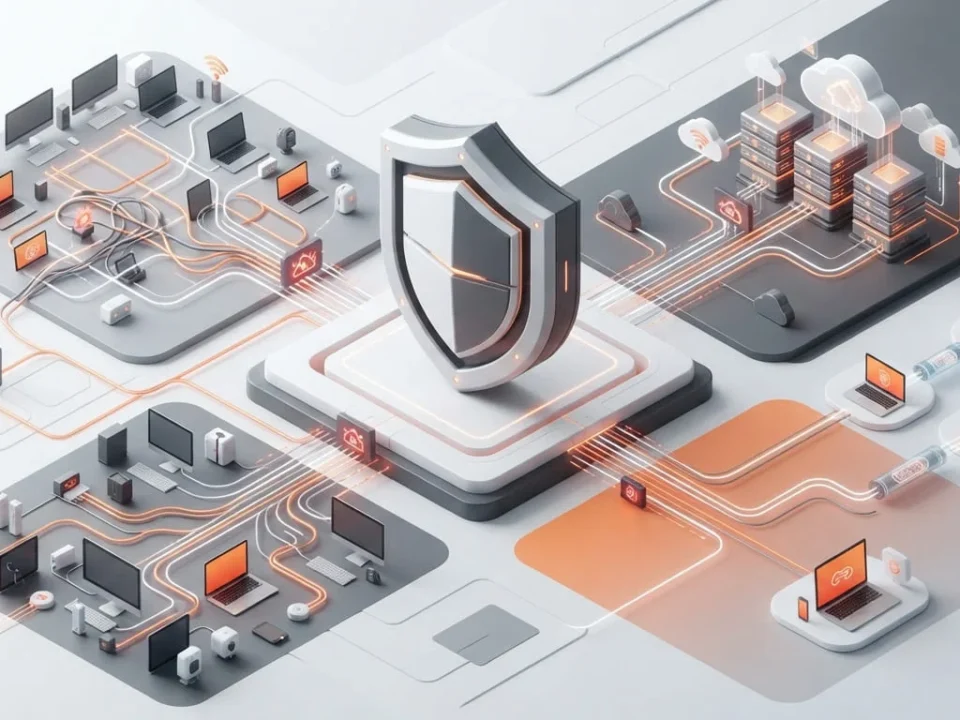
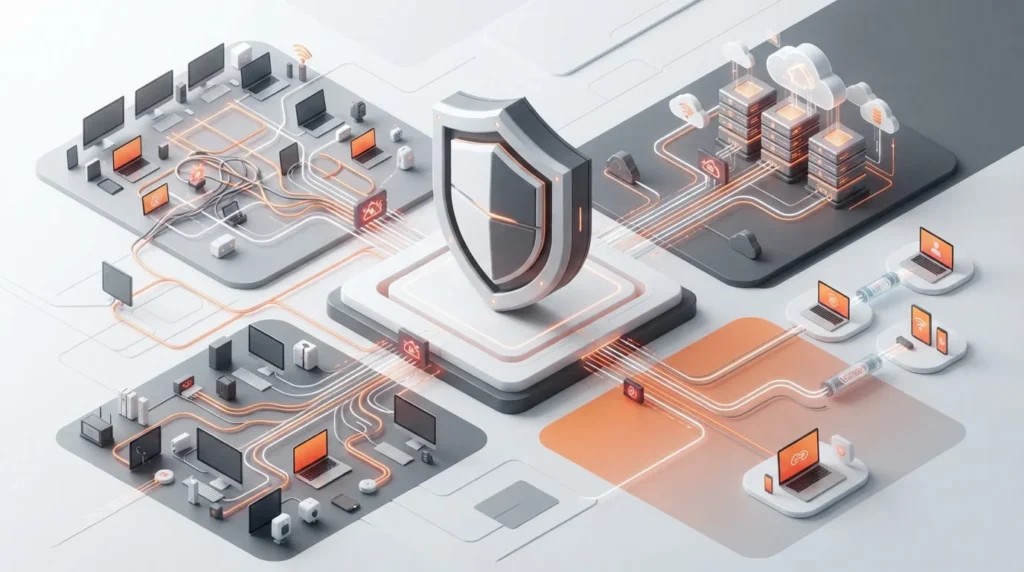
In the digital world, cybersecurity has evolved into a high-stakes chess match—where attackers constantly refine their tactics, and defenders must anticipate threats before they materialize. Security monitoring is the invisible sentry, detecting malicious activity before it disrupts operations.
Unlike outdated security models focused solely on reaction, modern security monitoring integrates predictive analytics, real-time intelligence, and automated mitigation strategies. It’s no longer about building higher walls—it’s about creating an adaptable defense system that outmaneuvers threats.
The question isn’t if an attack will come, but when—and how prepared your defenses will be when it does.
Beyond the Basics: Why Security Monitoring is Essential
Traditional security monitoring approaches focus on logs, alerts, and static rule-based detection. However, next-generation security monitoring functions like a living system, continuously learning, adapting, and refining its strategies to combat evolving cyber threats.
✔ Threat Intelligence Fusion – Collecting security data from diverse sources, including dark web activity, attack trend analysis, and behavioral indicators.
✔ Autonomous Threat Containment – AI-driven security systems automatically neutralizing threats before they escalate.
✔ Security Mindset Evolution – Shifting from static defenses to proactive risk anticipation, integrating zero-trust models, extended detection frameworks, and AI-powered security analytics.
Security monitoring is no longer just a technical necessity—it’s a strategic business imperative, directly influencing financial stability, reputation, and customer trust.
Key Technologies in Security Monitoring: The Silent Guardians
1. SIEM Systems: The Cyber Nervous System
Security Information and Event Management (SIEM) platforms operate as the brain of modern security operations centers (SOC). These systems aggregate vast amounts of security data, correlate events, and identify threat indicators in real-time.
🚀 Cutting-Edge SIEM Capabilities:
- Contextual Threat Detection – AI-driven analysis of raw security logs
- Automated Correlation – Connecting disparate signals to uncover sophisticated attacks
- Forensic Investigation Tools – Retracing attacker movements through historical logs
Next-gen SIEM solutions integrate machine learning, SOAR capabilities, and hybrid-cloud compatibility, ensuring proactive rather than reactive security.
2. Behavioral Analytics: Mapping the Digital DNA of Threats
Traditional signature-based security mechanisms are increasingly ineffective against polymorphic malware, insider threats, and zero-day exploits. Behavioral analytics introduces an intelligent layer that maps user activities, network interactions, and entity behavior to detect anomalies that indicate sophisticated cyber threats.
🔥 Core Elements of Behavioral Analytics:
- User Entity Behavior Analytics (UEBA) – Mapping normal vs. anomalous activities
- Anomaly-Based Threat Detection – Identifying deviations from historical patterns
- Insider Threat Prevention – Detecting abnormal privilege escalations and access attempts
By leveraging AI-powered predictive models, behavioral analytics transforms security monitoring into an adaptive shield against emerging threats.
3. Automated Response: The AI-Driven Cyber Shield
With cyberattacks growing in speed and complexity, manual security responses are no longer sustainable. Automated security mechanisms enable real-time containment, mitigation, and resolution of cyber threats without human intervention.
⚡ Game-Changing Automated Response Technologies:
- Security Orchestration, Automation & Response (SOAR) – Coordinating security tools autonomously
- AI-Guided Threat Neutralization – Self-learning algorithms preventing breaches before execution
- Zero Trust Endpoint Isolation – Restricting unauthorized access dynamically
Future security architectures will fuse automated response with AI-powered cyber deception techniques, tricking attackers into engaging with false environments rather than real systems.
The Strategic Advantage of Outsource IT Security
Cybersecurity is not just about survival—it’s about competitive dominance. Organizations that outsource IT security gain unparalleled access to cutting-edge defense mechanisms, elite cybersecurity expertise, and round-the-clock threat mitigation strategies.
⚡ Global Threat Intelligence Integration – MSSPs pool security data from millions of endpoints worldwide, detecting attack patterns before they strike.
⚡ Resource Optimization & Cost Efficiency – Eliminating capital-intensive security infrastructure, replacing it with scalable managed services.
⚡ Cyber Resilience at Scale – Enterprises achieve continuous security through 24/7 monitoring, AI-driven incident response, and compliance enforcement.
Outsourcing IT security is no longer just about reducing operational costs—it’s about proactive cybersecurity leadership, ensuring companies stay ahead in an era where data protection defines market dominance.
Challenges in Security Monitoring: The Unsolved Puzzle
Even with cutting-edge technologies, security monitoring faces persistent challenges: ⚠ Alert Overload & False Positives – Security teams drowning in unnecessary notifications ⚠ Threat Evasion Techniques – Attackers using AI-driven obfuscation to bypass defenses ⚠ Cross-Platform Security Gaps – Fragmentation between on-prem, cloud, and hybrid infrastructures
To overcome these obstacles, businesses must adopt a continuous improvement approach, refining security policies, response strategies, and monitoring algorithms to stay ahead of emerging threats.
Future Trends in Security Monitoring: What Lies Ahead?
Cybersecurity is entering a new era defined by autonomous threat intelligence, quantum-resistant security models, and AI-powered attack prevention. Expect to see:
🚀 Hyper-Automation of SOCs – AI-driven security operations centers with fully automated threat mitigation
🚀 Zero Trust Architectures – Next-gen security frameworks enforcing continuous verification and least privilege access
🚀 Extended Detection & Response (XDR) – Unifying security analytics across endpoints, networks, email, and cloud
Organizations investing in proactive, AI-driven cybersecurity strategies will achieve higher resilience, faster threat detection, and lower breach probability.