
Outsourcing Information Security: How IT Outstaffing Agencies Provide Tailored Solutions for Your Business

Why Network Security Outsourcing Services Are Critical for Effective Vulnerability Management

How Managed SIEM Services Work with Centralized Firewalls to Strengthen Your Security Posture
In today’s rapidly evolving cybersecurity landscape, organizations face an increasing number of sophisticated threats that require robust, proactive security measures. To mitigate these risks, businesses must integrate advanced security technologies that provide real-time monitoring, threat detection, and comprehensive response capabilities. Two critical components of modern cybersecurity strategies are managed SIEM services and centralized firewalls. When combined, these technologies enhance an organization’s ability to defend against complex threats, ensure compliance, and optimize security operations.
This article examines how managed SIEM services and centralized firewalls work together to strengthen an organization’s security posture. It explores their individual functions, how they integrate, and the strategic benefits they provide when deployed in tandem.
Understanding Managed SIEM Services and Centralized Firewalls
Before delving into their combined impact, it is essential to understand the core functions of managed SIEM services and centralized firewalls.
Managed SIEM Services
Security Information and Event Management (SIEM) systems aggregate, normalize, and analyze large volumes of security data from across an organization’s infrastructure. Managed SIEM services refer to the outsourcing of these capabilities to specialized service providers who monitor, manage, and respond to security events. A managed SIEM solution typically involves continuous data collection from security devices, network infrastructure, and endpoint systems, which is then analyzed to detect anomalies, potential threats, and compliance violations.
Key features of managed SIEM services include:
- Event Correlation: Managed SIEM platforms correlate logs and security events across diverse sources to identify patterns indicative of security incidents.
- Real-Time Threat Detection: By monitoring security events continuously, managed SIEM systems identify attacks as they happen, enabling immediate response.
- Incident Response Automation: Managed SIEM services often include automated workflows that prioritize threats and trigger predefined responses, such as alerts, blocking traffic, or escalating incidents.
- Compliance Reporting: Managed SIEM systems provide detailed reporting capabilities that help organizations meet industry regulations such as GDPR, PCI DSS, and HIPAA.
Centralized Firewalls
A centralized firewall acts as a network security device that monitors and controls incoming and outgoing network traffic based on predetermined security rules. Unlike traditional firewalls that might be distributed across different segments of the network, a centralized firewall provides a unified, centralized point of control for network security, allowing for easier management and policy enforcement across the organization.
Key functions of a centralized firewall include:
- Network Traffic Filtering: It inspects network packets and blocks unauthorized access or malicious traffic based on rules that define acceptable traffic behavior.
- Policy Enforcement: A centralized firewall ensures consistent enforcement of security policies across all network segments, preventing unauthorized access and reducing the attack surface.
- Threat Prevention: By inspecting network traffic in real-time, centralized firewalls block malicious activity such as DDoS attacks, malware, and data exfiltration attempts.
Integrating Managed SIEM Services with Centralized Firewalls
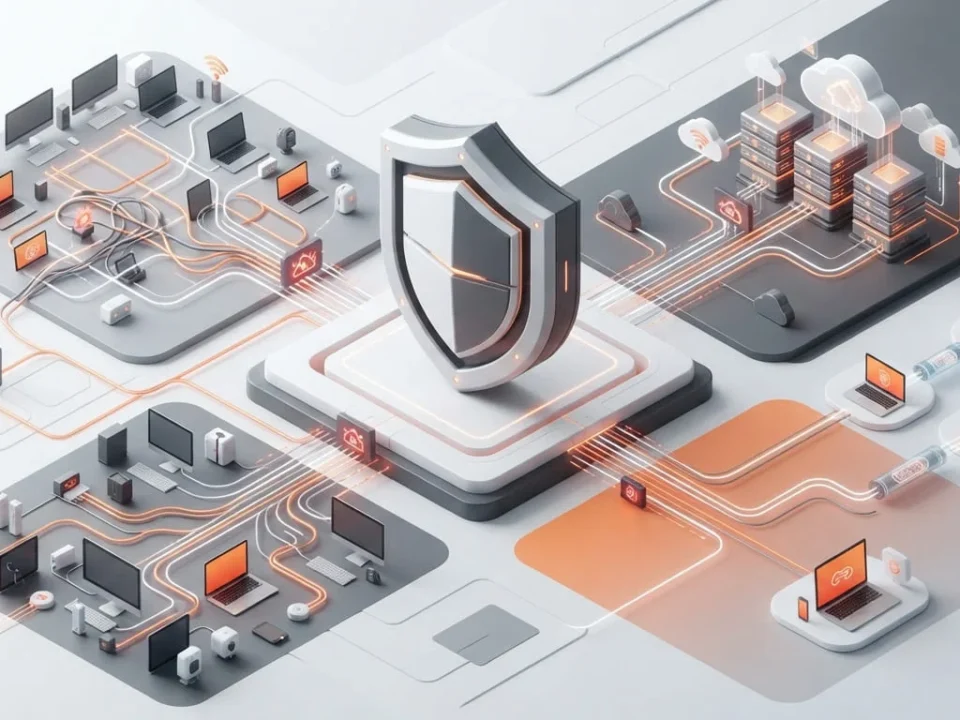
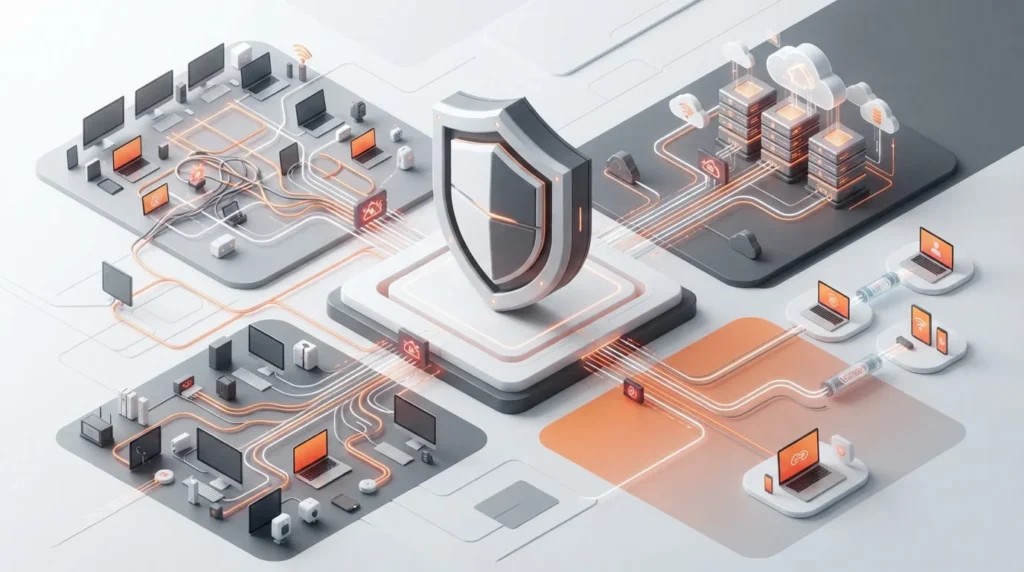
The integration of managed SIEM services with centralized firewalls enhances an organization’s ability to detect, respond to, and mitigate security threats in real time. While both systems serve essential functions independently, their combined capabilities provide a layered defense strategy that is far more effective than standalone solutions.
Real-Time Correlation and Threat Detection
The combination of managed SIEM services with centralized firewalls enables the correlation of real-time network traffic data with event logs from other security systems. When a firewall detects suspicious activity or a potential threat, it generates logs that are forwarded to the SIEM system for deeper analysis.
For example, if a centralized firewall blocks a suspicious login attempt, the SIEM system will not only record the event but also correlate it with data from other sources, such as failed login attempts, user behavior analytics, and historical attack data. This correlation helps identify whether the event is part of a broader attack campaign, such as credential stuffing or a brute-force attack.
This integrated approach provides organizations with a more accurate picture of their security posture and allows for faster, more precise detection of advanced threats.
Enhanced Incident Response
When a security incident is detected, managed SIEM services provide detailed insights and automated response workflows, while the centralized firewall enforces policy-based actions to mitigate the impact. For instance, if the SIEM system identifies an ongoing attack based on data from the firewall, it can automatically trigger the firewall to block traffic from specific IP addresses or apply additional network segmentation measures.
Moreover, the SIEM system can generate detailed incident reports, which include data from the centralized firewall, offering security teams a comprehensive view of the attack’s nature, origin, and affected systems. This data is essential for effective decision-making during incident response.
Improved Visibility Across Multiple Network Segments
A centralized firewall provides visibility into network traffic at a single point of control. However, it may not provide detailed insights into specific security events occurring within individual network segments. By integrating with a managed SIEM service, security teams can gain a more granular view of events occurring within different parts of the network. This visibility is particularly critical for complex, segmented networks or multi-cloud environments.
For instance, if a firewall detects an anomaly in a high-risk segment, the managed SIEM service can correlate this with other security events in different segments, offering a complete view of the network’s security health. This enhanced visibility improves the organization’s ability to identify and respond to lateral movement within the network and to prioritize remediation efforts.
Strategic Benefits of Combining Managed SIEM and Centralized Firewalls
Streamlined Security Operations
Integrating managed SIEM services with centralized firewalls streamlines security operations by consolidating security event data and automating key processes. Security teams no longer need to manually correlate firewall logs with other event data sources, as the SIEM system automatically handles this task. This reduces the time required to identify threats and accelerates the overall response time.
Cost Efficiency
While implementing both a managed SIEM solution and a centralized firewall requires an upfront investment, the combined approach offers long-term cost savings. The integration allows for more effective use of security resources, reducing the need for additional tools and personnel to monitor and manage disparate systems. Furthermore, by preventing breaches and minimizing damage, the combined approach reduces the financial impact of security incidents.
Compliance and Reporting
Compliance reporting becomes more efficient with the integration of managed SIEM and centralized firewalls. SIEM systems automatically collect and organize data from the firewall, making it easier for organizations to meet regulatory reporting requirements. For example, during an audit, businesses can quickly generate detailed reports on firewall activity, data protection measures, and incident response actions, all while demonstrating adherence to compliance standards.
Performance Metrics for Evaluating the Combined Solution
To evaluate the effectiveness of the integrated SIEM and firewall solution, organizations should monitor key performance indicators (KPIs). These metrics allow security teams to assess the system’s ability to detect threats, respond to incidents, and provide continuous protection. Below are some essential KPIs for evaluating the performance of the combined solution:
| KPI | Definition | Measurement Method |
|---|---|---|
| Incident Response Time | Time taken to identify, contain, and mitigate a security breach. | Average response time from detection to containment. |
| Threat Detection Rate | Percentage of threats detected by security monitoring tools. | Number of threats detected / Total number of threats attempted. |
| False Positive Rate | Percentage of alerts that are not actual threats. | Number of false alerts / Total number of alerts generated. |
| Firewall Throughput | Amount of network traffic processed by the firewall. | Measured in packets per second (PPS) or megabits per second (Mbps). |
| Compliance Reporting Accuracy | Accuracy and completeness of reports generated for compliance audits. | Number of accurate reports generated / Total reports required. |
Conclusion
The integration of managed SIEM services with centralized firewalls creates a powerful, multifaceted defense system that provides enhanced threat detection, faster incident response, and improved operational efficiency. By combining real-time event correlation, automated incident response, and centralized control, organizations can strengthen their security posture while optimizing their resources. This integrated approach is not only essential for mitigating complex cyber threats but also for maintaining compliance and managing operational risks.