Firewall Managed Services: Why Enterprises Need Proactive Firewall Support

The Role of Managed Security Service Providers in Modern Cybersecurity
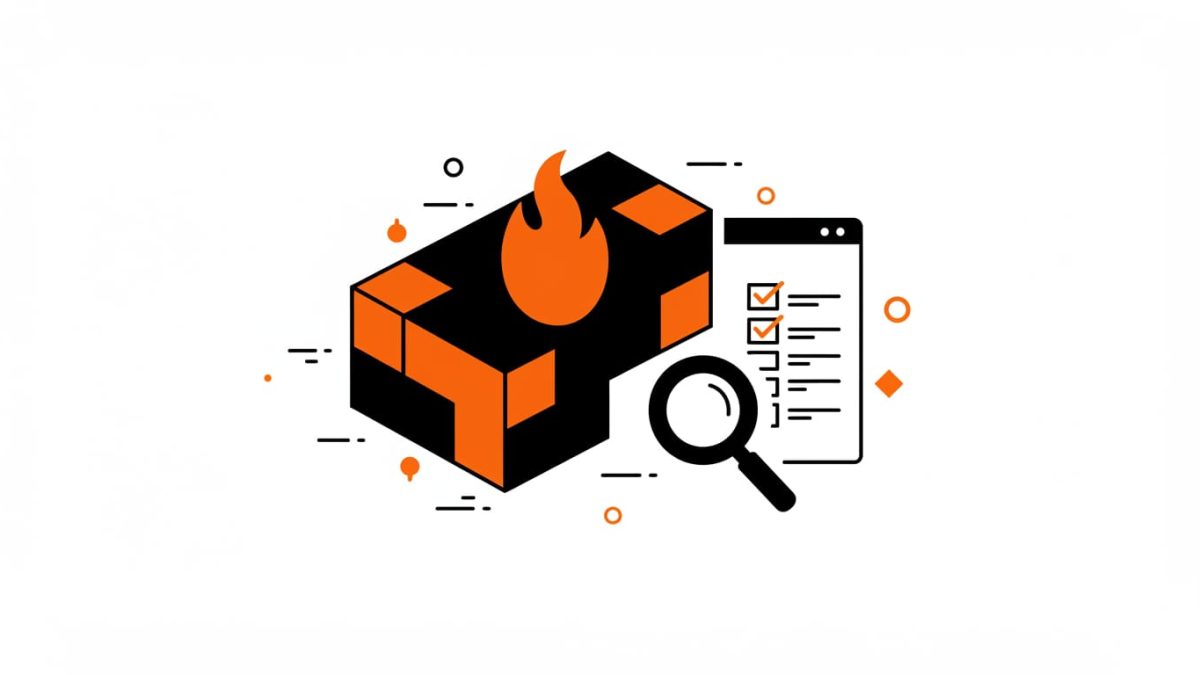
The Importance of Cybersecurity Audits: Safeguarding Enterprises Against Threats
Introduction
As cyber threats grow more complex and sophisticated, enterprises face increasing challenges in protecting their digital assets. Regular cybersecurity audits have become a cornerstone of effective defense strategies, helping organizations identify vulnerabilities and ensure compliance with industry standards. At the heart of these audits lies robust firewall security, which acts as the first line of defense against unauthorized access. This article explores the importance of cybersecurity audits and how audit services play a pivotal role in safeguarding enterprises against evolving threats.
Understanding Cybersecurity Audits
Cybersecurity audits are systematic evaluations of an organization’s security measures, designed to uncover weaknesses and ensure compliance with regulatory frameworks. By providing a comprehensive overview of security postures, these audits enable organizations to:
- Identify Vulnerabilities: Pinpoint weak spots that could be exploited by attackers.
- Ensure Compliance: Align with regulations such as GDPR, HIPAA, and ISO 27001.
- Mitigate Risks: Reduce the likelihood of financial loss, reputational damage, and operational disruptions.
Types of Cybersecurity Audits
- Internal Audits: Conducted by in-house teams to assess adherence to internal policies.
- External Audits: Performed by third-party providers for an unbiased assessment.
- Compliance Audits: Focused on meeting industry-specific regulations and standards.
The Role of Firewall Security in Cybersecurity Audits
Firewalls are a critical component of enterprise security, providing a barrier between internal networks and external threats. During cybersecurity audits, the evaluation of firewall security focuses on:
- Traffic Monitoring: Analyzing data flow to detect anomalies and block unauthorized access.
- Configuration Reviews: Ensuring firewall settings align with organizational policies and best practices.
- Rule Set Testing: Verifying that access control rules effectively prevent breaches.
Effective firewall management ensures that audits uncover actionable insights to strengthen security postures.
Benefits of Regular Cybersecurity Audits
Enhanced Threat Detection and Mitigation
Cybersecurity audits provide detailed assessments that enable organizations to:
- Identify vulnerabilities before they are exploited.
- Leverage findings to optimize firewall security configurations.
Improved Compliance and Risk Management
Regular audits ensure compliance with legal and industry standards, minimizing the risk of penalties and reputational damage. By identifying gaps in policies and procedures, organizations can take proactive steps to achieve regulatory adherence.
Continuous Improvement
Audits offer actionable recommendations that drive ongoing enhancements. Tracking progress over time ensures that improvements are sustained and aligned with evolving threats.
How Audit Services Strengthen Enterprise Security
Audit services provide specialized expertise and advanced tools to deliver comprehensive evaluations of enterprise security frameworks. Key benefits include:
- Objective Assessments: Third-party providers offer unbiased insights into an organization’s security posture.
- Tailored Recommendations: Solutions are customized to address specific vulnerabilities and risks.
- Incident Response Preparedness: Audits evaluate readiness to handle breaches, ensuring quick recovery and minimal impact.
By integrating insights from audit services, enterprises can bolster their defenses against sophisticated attacks.
Choosing the Right Audit Service Provider
Factors to Consider
When selecting an audit service provider, organizations should evaluate:
- Expertise: Providers with experience in firewall security and other cybersecurity domains.
- Compliance Knowledge: Familiarity with industry standards and regulations.
- Customizable Solutions: Ability to tailor services to organizational needs.
Key Questions to Ask
- What methodologies are used for identifying vulnerabilities?
- How are audit findings documented and presented?
- Can the provider support ongoing monitoring and updates?
Emerging Trends in Cybersecurity Audits
The field of cybersecurity audits is evolving, with trends focused on enhancing accuracy and efficiency:
- AI and Machine Learning: Predictive analytics identify emerging threats and automate anomaly detection.
- Zero Trust Frameworks: Audits increasingly incorporate Zero Trust principles to verify every access request.
- Automated Tools: Real-time vulnerability assessments streamline the auditing process.
- Hybrid and Multi-Cloud Security: Emphasis on securing complex cloud environments through advanced audit techniques.
Conclusion
Regular cybersecurity audits are essential for safeguarding enterprises against an ever-evolving threat landscape. By prioritizing firewall security and leveraging specialized audit services, organizations can ensure compliance, mitigate risks, and continuously improve their defenses. Investing in proactive audits is not just a necessity but a strategic advantage in maintaining robust security postures and operational resilience.