
Firewall Design Architecture: Building a Secure Network for Enterprises

How IT Outstaffing Helps Companies Scale Rapidly
Cost Comparison: In-House Team vs IT Outstaffing
Introduction
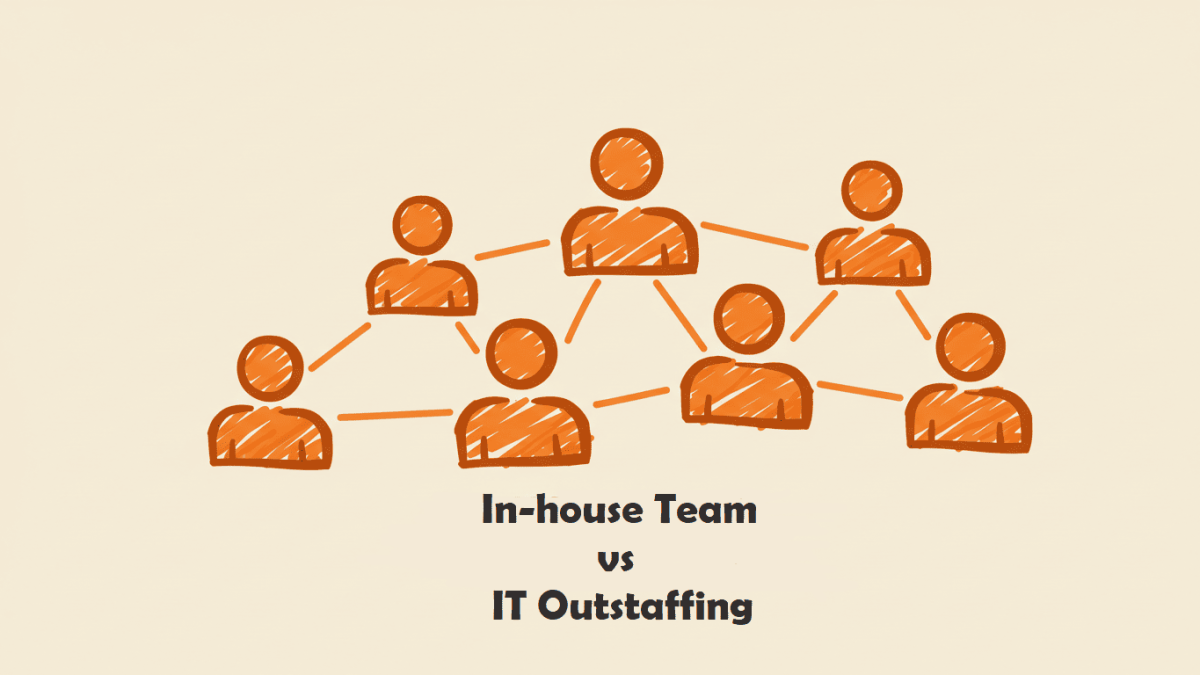
Every business relying on technology reaches a crossroads: should it build an in-house IT team or opt for IT outstaffing? Both approaches have their merits, but when it comes to costs, the differences are striking. Some companies prefer the full control that an in-house team provides, while others find that outstaffing offers a more flexible and financially viable alternative. In this article, we’ll break down the real cost implications of both options to help businesses make informed decisions.
Understanding IT Outstaffing and In-House Teams
Before jumping into numbers, let’s define what each model entails.
IT outstaffing is a business model where a company hires remote IT specialists through an external provider. These professionals work exclusively on the company’s projects, but they remain officially employed by the outstaffing firm. This means businesses get access to skilled developers, cybersecurity specialists, or system administrators without the hassle of recruitment, HR management, and additional overhead costs.
On the other hand, an in-house IT team consists of employees who are directly hired and managed by the company. These specialists work full-time on internal projects, requiring a structured hiring process, salaries, benefits, and long-term development plans. While this approach ensures complete control, it also comes with higher financial commitments.
Both models serve different business needs, but cost efficiency often becomes the deciding factor. So, let’s dive into the financial aspects.
Cost Structure Breakdown
1. Hiring and Onboarding Expenses
Recruitment isn’t cheap. When hiring an in-house team, companies must invest in job postings, recruitment agency fees (if applicable), and onboarding training. Depending on the role and location, finding the right IT specialist can take weeks or even months, delaying project execution and increasing operational costs.
With IT outstaffing, hiring is almost instant. Companies can onboard specialists within days, as the outstaffing provider already has a talent pool ready. There are no recruitment fees, and businesses avoid prolonged vacancies that slow down progress.
2. Salaries and Employee Benefits
One of the most significant financial commitments of an in-house team is payroll. Salaries for IT professionals continue to rise globally, and competitive benefits—such as health insurance, bonuses, and paid vacations—add to the overall cost. Moreover, businesses must invest in ongoing training to keep their team’s skills up to date.
With IT outstaffing, companies pay only for the required hours or project scope, eliminating fixed salary obligations. There’s no need to cover bonuses, sick leaves, or professional development, as these are managed by the outstaffing provider. This model ensures businesses get top-tier talent without the burden of long-term financial commitments.
3. Infrastructure and Tools
An in-house IT team needs office space, workstations, software licenses, and cloud subscriptions—all of which contribute to overhead costs. As IT infrastructure evolves, maintaining up-to-date tools and equipment requires continuous investment.
Outstaffing shifts this responsibility to the external provider. The hired specialists use their own tools or those provided by the vendor, significantly reducing the company’s infrastructure expenses. For startups and mid-sized businesses, this cost-saving aspect alone can be a game-changer.
4. Management and Supervision
Managing an in-house IT department requires dedicated HR and administrative resources. From handling contracts to overseeing performance reviews, businesses must allocate internal efforts to manage employees effectively.
With IT outstaffing, administrative tasks such as payroll processing, compliance, and benefits management fall under the provider’s scope. This allows companies to focus on core business activities instead of dealing with workforce-related complexities.
Long-Term Financial Implications
Scalability and Growth
Scaling an in-house team is time-consuming and expensive. Each new hire adds another layer of costs, including onboarding, salary negotiations, and workspace expansion. When projects slow down, companies may end up with underutilized staff, leading to inefficiencies.
Outstaffing offers a flexible approach. Businesses can quickly expand or shrink their teams based on project needs, paying only for the expertise they require. This adaptability ensures that resources are optimized, preventing financial losses from unused workforce capacity.
Risk and Liability
Cybersecurity, compliance, and employee retention are major concerns for in-house teams. Companies must invest in cybersecurity measures, legal compliance, and risk management to protect sensitive data.
With cyber security outstaffing, businesses gain access to highly specialized professionals who are already trained in the latest security protocols. Since outstaffing firms are responsible for compliance and risk management, companies minimize their legal and operational liabilities.
When Each Model Makes Financial Sense
While cost efficiency is essential, businesses must align their IT strategy with their long-term goals.
- In-house IT teams work best for companies that require full control over projects, have long-term development plans, and can afford the associated costs. This model suits enterprises with stable workloads and a need for constant IT innovation.
- IT outstaffing is ideal for businesses needing rapid scalability, access to niche expertise, or cost-effective solutions. It’s particularly beneficial for startups, project-based teams, and organizations aiming to optimize their IT expenses without sacrificing quality.
Conclusion
Choosing between an in-house team and IT outstaffing isn’t just about immediate costs—it’s about long-term financial sustainability. While in-house teams offer stability and control, they come with high expenses and management responsibilities.
IT outstaffing, on the other hand, provides cost flexibility, access to top-tier specialists, and reduced overhead costs. For companies aiming to maximize efficiency while keeping budgets under control, outstaffing often proves to be the smarter choice. However, each business must evaluate its unique needs to determine the most financially viable solution.