
Wi-Fi Security Essentials: How to Protect Your Wireless Networks

The Role of Wireless Network Engineers in Modern Business Operations
Cloud Networking Engineers: The Key to Scalable IT Infrastructure
Introduction
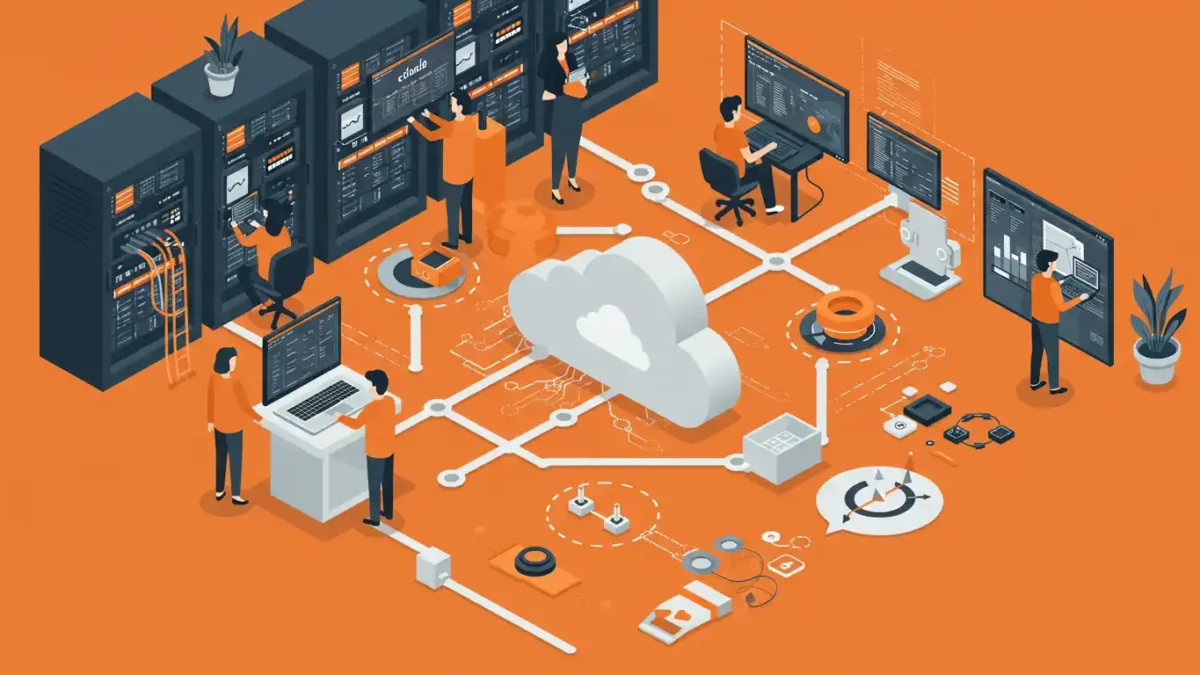
In today’s digital landscape, businesses rely on cloud computing to enhance agility, scalability, and efficiency. As enterprises shift from traditional on-premise infrastructure to cloud-based environments, the need for highly skilled cloud networking engineers has surged. These experts design, implement, and manage cloud networks to ensure seamless connectivity, security, and performance. Without their expertise, businesses face risks of downtime, security vulnerabilities, and inefficient network scaling.
Cloud networking engineers play a pivotal role in enabling organizations to manage workloads effectively across multiple cloud platforms. Their responsibilities encompass not only setting up networks but also optimizing them for security, performance, and reliability. As companies embrace hybrid and multi-cloud strategies, the demand for skilled cloud networking engineers continues to grow.
In this article, we will explore the crucial role of cloud networking engineers in building scalable IT infrastructures. We will also examine how organizations can benefit from hiring these specialists and why outsourced network administration has become a preferred approach for many businesses.
The Role of Cloud Networking Engineers
Cloud networking engineers specialize in designing and managing cloud-based network architectures. Their responsibilities extend beyond simple configuration to include:
- Network Architecture & Design – Engineers design scalable and secure network infrastructures that align with an organization’s needs, ensuring optimal performance.
- Cloud Connectivity Management – They establish and maintain secure connections between cloud environments and on-premise systems, ensuring uninterrupted data flow.
- Network Security – Implementing firewalls, VPNs, and zero-trust security measures to protect data from breaches, ransomware, and cyberattacks.
- Performance Optimization – Ensuring that networks are optimized for speed, reliability, and low latency by configuring efficient routing protocols and monitoring traffic patterns.
- Disaster Recovery & Redundancy – Developing failover solutions to prevent downtime and maintain business continuity by utilizing multi-region deployments and automated backups.
- Compliance & Regulatory Adherence – Ensuring that cloud networks comply with industry regulations such as GDPR, HIPAA, and ISO 27001.
- Network Automation & Monitoring – Implementing automation tools like Infrastructure as Code (IaC) to manage cloud networks efficiently and minimize human errors.
A well-structured cloud network can provide businesses with enhanced security, faster data transfer speeds, and the ability to scale on demand. Cloud networking engineers ensure that businesses remain resilient against evolving cyber threats while maintaining operational efficiency.
The Importance of Scalability in IT Infrastructure
Scalability is a fundamental factor in modern IT environments. Businesses need network infrastructures that can adapt to growing demands without compromising performance. Without scalability, companies risk:
- Performance Bottlenecks – Increased workloads can slow down network operations and impact application responsiveness.
- Increased Costs – Inadequate scalability results in over-provisioning or underutilization of resources, leading to unnecessary expenses.
- Security Risks – Poorly scaled networks can expose vulnerabilities due to misconfigurations, making them susceptible to data breaches.
- Operational Inefficiencies – Without scalable infrastructure, businesses may struggle to deploy new applications and services efficiently.
Cloud networking engineers address these challenges by implementing:
- Auto-Scaling Mechanisms – Allowing cloud environments to automatically adjust resources based on demand.
- Load Balancing – Distributing network traffic evenly to optimize performance and prevent server overload.
- Network Automation – Utilizing AI-driven analytics to monitor and predict network traffic patterns for better resource allocation.
- Multi-Cloud Strategy Implementation – Enabling businesses to leverage different cloud providers to avoid vendor lock-in and ensure service reliability.
How Businesses Benefit from Hiring Cloud Networking Experts
Organizations of all sizes recognize the importance of employing skilled professionals to manage cloud infrastructure. The decision to hire cloud developers and networking engineers provides several advantages:
- Optimized Cloud Performance – Experienced professionals fine-tune cloud environments for efficiency and reliability, ensuring minimal downtime.
- Cost Savings – Businesses avoid costly downtime and reduce operational expenses through streamlined network management.
- Security & Compliance – Experts ensure networks adhere to industry security standards and regulatory requirements to avoid hefty fines.
- Improved Business Agility – Cloud engineers facilitate rapid deployment of applications and services without compromising stability, allowing companies to adapt quickly to market demands.
- Disaster Recovery Planning – Establishing comprehensive backup and recovery strategies to prevent data loss during outages.
Hiring in-house cloud engineers is one option, but many companies are turning to outsourced network administration to gain access to a broader talent pool and reduce overhead costs.
Outsourced Network Administration: A Smart Choice for Businesses
Outsourcing network administration is an effective solution for businesses that lack in-house expertise or want to optimize their IT budgets. This approach provides:
- Access to Top Talent – Companies can work with highly skilled cloud professionals without recruiting full-time employees, reducing HR costs.
- 24/7 Monitoring & Support – Outsourced teams provide round-the-clock network monitoring to prevent issues before they arise, ensuring business continuity.
- Reduced Infrastructure Costs – Businesses eliminate the need for expensive on-premise hardware and maintenance by leveraging cloud solutions.
- Enhanced Security & Compliance – Third-party experts stay updated with the latest security protocols and compliance requirements, mitigating cybersecurity risks.
- Scalability on Demand – Businesses can scale their network infrastructure up or down as needed without hiring additional staff.
By leveraging outsourced expertise, companies can focus on their core operations while ensuring their IT infrastructure remains scalable and secure.
Choosing the Right Cloud Networking Partner
When selecting a cloud networking service provider, businesses should consider:
- Experience & Expertise – Verify the provider’s track record in managing cloud networks across different industries.
- Security Measures – Ensure they implement strong security protocols, including encryption, firewalls, and zero-trust policies, to protect sensitive data.
- Support & Service Level Agreements (SLAs) – Look for providers that offer 24/7 support with guaranteed uptime to avoid unexpected disruptions.
- Customization & Flexibility – The ability to tailor network solutions to meet business needs is crucial, ensuring a strategic fit for different industries.
- Cost vs. Value – Weigh the financial investment against the value provided in terms of security, reliability, and scalability.
Conclusion
Cloud networking engineers are indispensable in today’s digital economy. Their expertise enables businesses to build scalable, secure, and high-performing IT infrastructures. Whether companies choose to hire cloud developers or leverage outsourced network administration, having the right professionals in place ensures efficient cloud management and long-term success. As cloud technology evolves, investing in skilled networking engineers will be essential for businesses aiming to stay competitive in an increasingly digital world.
Sources
· NIST Special Publication 800-210: General Access Control Guidance for Cloud Systems
· Insights from Gartner’s 2023 Emerging Technologies Hype Cycle