Why Server Administrators Are Still Essential in the Era of Cloud Computing

The Role of IAM in Zero Trust Architectures
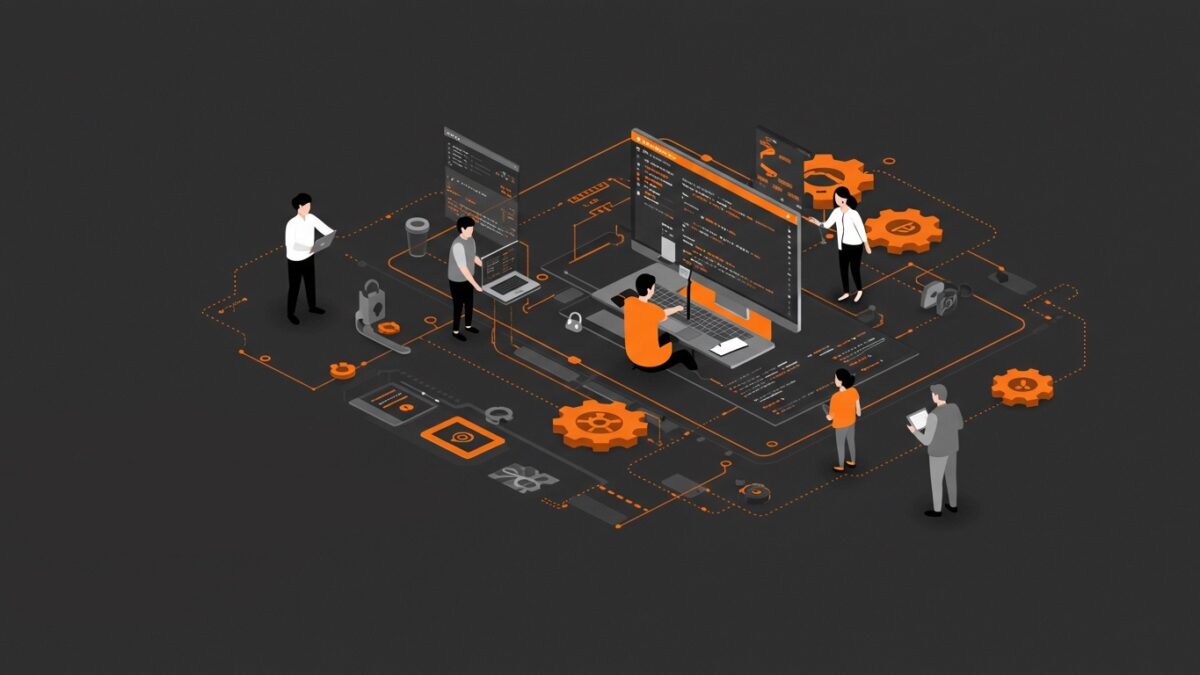
AppSec in 2025: How to Staff Secure Development from the Start
Introduction
The landscape of software development in 2025 is shaped by accelerating digital transformation, increased reliance on cloud-native architectures, and a surge in cyberattacks targeting the application layer. As the primary gateway to sensitive business logic and customer data, applications have become a top target for threat actors. In this environment, Application Security (AppSec) is no longer just a developer’s responsibility or an afterthought addressed late in the lifecycle—it’s a strategic necessity from day one.
Organizations that embed security from the start of development not only reduce long-term risk but also improve deployment speed, regulatory compliance, and customer trust. This article examines why AppSec must be integrated early, which roles are essential, and how to staff or outsource effectively to ensure scalable, secure software development in 2025.
The Imperative of Early AppSec Integration
Modern applications often rely on microservices, APIs, and cloud-native architectures, expanding the attack surface and introducing new vulnerabilities. According to OWASP, common risks include broken access controls, cryptographic failures, and injection flaws, which can be exploited if not addressed early. Proactively embedding security into the development process helps mitigate these risks, reduces remediation costs, and enhances overall software quality.
Key Roles in Secure Development
Building a robust AppSec strategy requires assembling a team with diverse expertise:
- Application Security Engineers: Specialize in identifying and mitigating vulnerabilities throughout the development lifecycle.
- DevSecOps Specialists: Integrate security practices into DevOps workflows, ensuring continuous security assessment and compliance.
- Penetration Testers: Conduct simulated attacks to uncover potential security weaknesses before deployment.
- Security Champions: Advocate for security best practices within development teams, fostering a culture of security awareness.
Incorporating these roles ensures that security considerations are integral to development, not an afterthought.
Essential Roles for Secure Development
To implement AppSec effectively, organizations must either hire or gain access to professionals with the right mix of development, operations, and security knowledge. These are some of the key roles:
1. Application Security Engineers
Responsible for conducting code reviews, threat modeling, and vulnerability scanning. They work closely with developers to identify and remediate issues during coding.
2. DevSecOps Engineers
These professionals integrate security tools into CI/CD pipelines, automate scanning processes, and ensure that infrastructure as code (IaC) is secure by design.
3. Penetration Testers (Red Team)
They simulate attacks on applications to identify vulnerabilities before attackers can exploit them, offering insights into potential real-world exploit paths.
4. Security Architects
They design the broader security framework and ensure applications adhere to enterprise policies, regulatory standards, and best practices.
5. Security Champions
Embedded in development teams, these advocates promote security awareness, drive internal training, and serve as the first line of defense against insecure practices.
Building a complete internal team with these roles is ideal but often unrealistic due to costs and hiring difficulties. This is where the option to outsource security engineer talent becomes highly attractive.
Benefits of Outsourcing AppSec Specialists
Working with an outstaffed or outsourced team of security engineers can solve many of the issues above. Outsourcing allows organizations to:
- Gain on-demand access to specialists without long-term commitments
- Tap into niche expertise in AppSec, cloud security, or regulatory compliance
- Reduce time-to-security, integrating professionals who are ready to deliver from day one
- Scale security resources up or down as needed based on project size or threat level
This approach is particularly useful for startups, mid-sized enterprises, or any company going through digital transformation without an internal security department.
Tools and Practices in 2025
The modern AppSec toolkit is vast and often automated. In 2025, mature development organizations are expected to use the following:
- SAST (Static Application Security Testing): Scans source code for known vulnerability patterns.
- DAST (Dynamic Application Security Testing): Tests running applications for runtime vulnerabilities.
- SCA (Software Composition Analysis): Identifies vulnerable open-source dependencies.
- IaC Scanners (e.g., Checkov, TFSec): Ensure infrastructure code meets security baselines.
- Runtime Application Self-Protection (RASP): Defends applications in real-time during execution.
Most importantly, these tools are embedded in the pipeline—not run in isolation after development ends. AppSec teams now work in tandem with developers and DevOps professionals throughout the development cycle.
Why Application & Data Security Is a Lifecycle Commitment
True application security extends beyond the app itself. It includes data governance, secure authentication, session management, access control, and encryption policies.
A modern Application & Data Security strategy protects not only the application logic but also the user data it handles, the APIs it connects with, and the platforms it runs on. Teams need to manage risks holistically—ensuring privacy, confidentiality, integrity, and availability of systems.
This means that AppSec is no longer a task or a checklist—it is a lifecycle discipline, requiring cultural, technical, and strategic investment from the ground up.
Conclusion
The message for 2025 is clear: organizations must invest in AppSec early, continuously, and intelligently. The risks are too great, and the attack surfaces too broad, to delay security until deployment.
By integrating security into the development pipeline, building cross-functional teams, and leveraging external talent where needed, companies can establish a security-first approach that’s both sustainable and effective.
Whether you build in-house capacity or choose to outsource security engineer roles, your organization’s long-term success—and safety—depends on treating AppSec as a foundational pillar of your software strategy.
Sources
- OX Security. (2024). Five Predictions for Application Security in 2025.
- SentinelOne. (2025). 10 Cyber Security Trends For 2025. Retrieved from SentinelOne
- Bit Sentinel. (2025). 5 Reasons Why You Should Outsource Cybersecurity in 2025. Retrieved from Bit SentinelBit Sentinel
- Thales Group. (2025). Application and API Security in 2025: What Will the New Year Bring? Retrieved from Thales Group