
DNS Security: Protecting Your Network from DNS Spoofing and Poisoning

Understanding Network Protocols: How They Impact Security and Performance
Cybersecurity Mesh Architecture: The Future of Network Defense?
Introduction
In today’s rapidly evolving digital landscape, traditional perimeter-based security models are increasingly inadequate. The proliferation of cloud services, remote workforces, and Internet of Things (IoT) devices has dissolved clear network boundaries, necessitating a more dynamic and flexible security approach. Enter Cybersecurity Mesh Architecture (CSMA), a paradigm designed to address these challenges by providing a decentralized and composable framework for securing modern, distributed enterprises.
What is Cybersecurity Mesh Architecture (CSMA)?
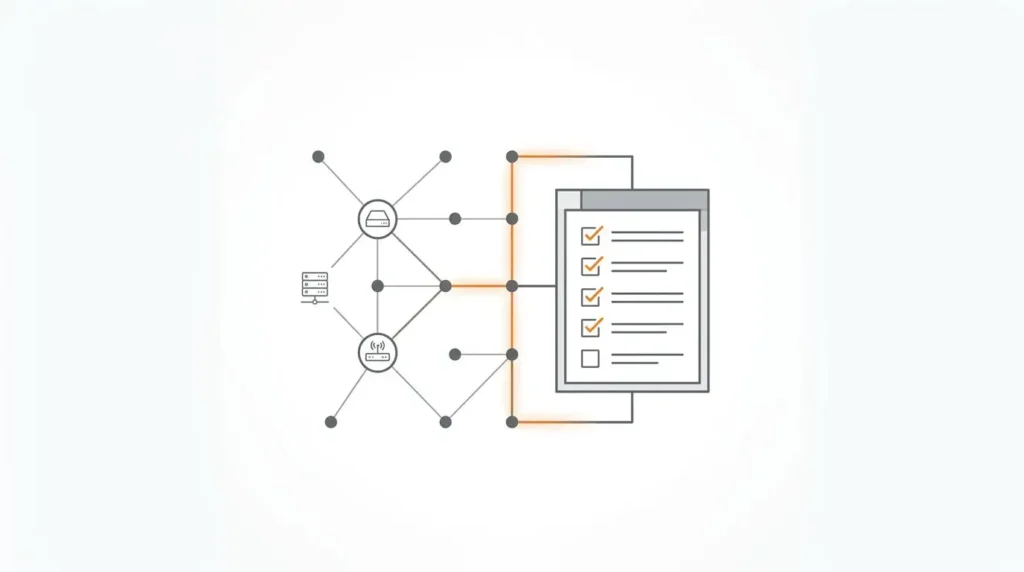
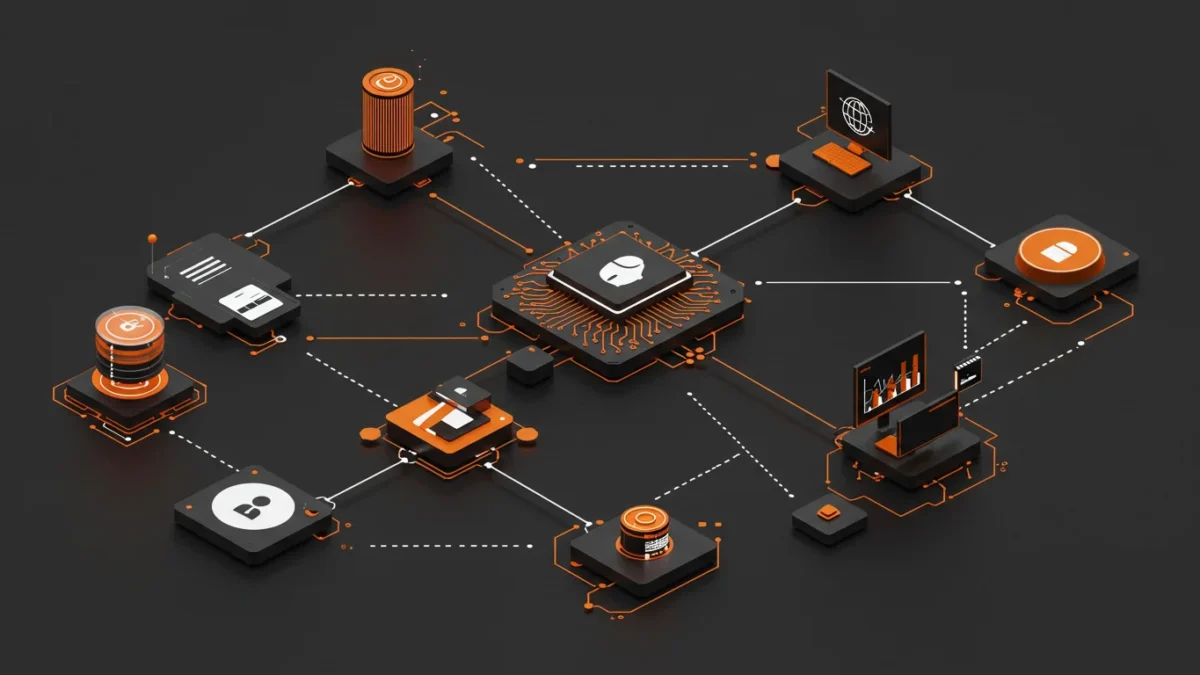
Cybersecurity Mesh Architecture is a collaborative ecosystem of security tools and controls designed to protect distributed assets. Unlike traditional models that focus on securing a static perimeter, CSMA emphasizes the security of individual devices and access points, enabling centralized management and improved interoperability among disparate security solutions. This approach ensures that security policies are consistently enforced across all assets, regardless of location.
Core Components of CSMA
- Identity and Access Management (IAM):
Centralized IAM ensures that only authorized users and devices can access network resources. By implementing robust authentication and authorization mechanisms, organizations can prevent unauthorized access and reduce the risk of breaches. - Threat Intelligence Integration:
CSMA facilitates the sharing of threat intelligence across the network, enabling security tools to collaboratively detect and respond to emerging threats. This collective defense mechanism enhances the organization’s ability to anticipate and mitigate attacks. - Decentralized Policy Enforcement:
Security policies are applied uniformly across all nodes in the network, ensuring consistent protection. This decentralized approach allows for real-time adjustments to security measures, adapting to evolving threats without overhauling the entire system. - Real-Time Monitoring and Response:
Leveraging advanced analytics and machine learning, CSMA enables continuous monitoring of network activity. This proactive stance allows for the swift identification and neutralization of suspicious behaviors, minimizing potential damage.
The Benefits of Cybersecurity Mesh Architecture
- Enhanced Flexibility:
CSMA’s modular design allows organizations to adapt their security infrastructure in response to changing technological landscapes and business needs. This flexibility is particularly beneficial in environments with diverse and evolving assets. - Improved Scalability:
As organizations grow, CSMA scales seamlessly, accommodating new devices and users without compromising security. This scalability ensures that security measures remain robust, even as the network expands. - Stronger Threat Detection and Response:
The collaborative nature of CSMA enhances threat detection capabilities, enabling faster and more effective responses to incidents. By integrating various security tools, organizations can achieve a comprehensive view of their security posture. - Resilience Against Complex Attacks:
Decentralizing security controls reduces single points of failure, making it more challenging for attackers to compromise the entire network. This resilience is crucial in defending against sophisticated, multi-vector attacks.
Implementing CSMA in Modern Organizations
Transitioning to a Cybersecurity Mesh Architecture requires careful planning and execution:
- Assessment of Current Security Posture:
Organizations should begin by evaluating their existing security infrastructure to identify gaps and areas for improvement. This assessment provides a baseline for developing a tailored CSMA strategy. - Integration with Existing Systems:
CSMA is designed to complement, not replace, current security measures. By integrating CSMA components with legacy systems, organizations can enhance their security posture without significant disruptions. - Continuous Policy Updates and System Audits:
Regular reviews and updates of security policies ensure they remain effective against emerging threats. Routine system audits help maintain the integrity and performance of the security infrastructure.
Maintaining robust security hygiene is essential in a CSMA framework. Engaging a cyber hygiene service can assist organizations in implementing best practices, such as regular software updates, vulnerability assessments, and user training programs. These proactive measures help prevent security incidents and maintain a strong defense posture.
The Role of External Expertise in CSMA Deployment
Implementing CSMA can be complex, and organizations may benefit from external assistance:
- Outsourced IT Security:
Partnering with external security providers offers access to specialized expertise and resources. These providers can manage intricate aspects of CSMA deployment, from system integration to continuous monitoring, allowing internal teams to focus on core business functions. - Benefits of Outsourcing:
- Access to Advanced Tools and Technologies:
External providers often utilize cutting-edge security solutions, enhancing the organization’s defense capabilities.
- Cost-Effectiveness:
Outsourcing can reduce the need for significant capital investment in security infrastructure and personnel.
- Scalability:
External partners can adjust their services to align with the organization’s growth and evolving security needs.
- Access to Advanced Tools and Technologies:
Building a Skilled CSMA Team
A successful CSMA implementation relies on a team with specialized skills:
- Hiring Cybersecurity Professionals:
Recruiting experts with experience in decentralized security models and advanced threat detection is crucial. These professionals bring the necessary knowledge to design, implement, and manage a CSMA effectively. - Training and Development:
Investing in continuous education ensures that the security team remains adept at handling emerging threats and technologies. Providing opportunities for professional development fosters a culture of excellence and innovation. - Collaborative Culture:
Encouraging collaboration between security teams and other departments promotes a unified approach to cybersecurity, enhancing the overall effectiveness of CSMA.
Challenges and Considerations in CSMA Adoption
While Cybersecurity Mesh Architecture (CSMA) offers significant advantages in modern network defense, its implementation is not without challenges. Understanding these obstacles can help organizations prepare and strategize for smoother adoption.
1. Integration with Legacy Systems
Integrating CSMA with existing legacy systems can be complex. Older infrastructures may not support the decentralized nature of CSMA, leading to potential compatibility issues. Organizations must carefully evaluate their current IT ecosystems, identifying areas where upgrades or modifications are necessary to ensure seamless integration. Creating a phased rollout plan can help minimize disruptions during the transition.
2. Managing Decentralized Security Policies
One of the core principles of CSMA is decentralized policy enforcement, which, while enhancing flexibility, can also create challenges in maintaining consistency. Without proper oversight, decentralized nodes could adopt conflicting security policies, leading to vulnerabilities. To combat this, organizations should establish centralized policy governance, ensuring all nodes operate under a unified security framework.
3. Resource Demands and Skill Gaps
Implementing CSMA requires a skilled workforce with expertise in distributed networks, identity management, and threat intelligence integration. Many organizations face internal skill gaps, making it difficult to manage complex security architectures effectively. To bridge this gap, some businesses opt to hire cybersecurity professionals with specialized knowledge in CSMA, while others invest in upskilling existing IT staff through targeted training programs.
4. Cost Considerations
While CSMA enhances network security, its initial implementation can be costly. Expenses include upgrading legacy systems, deploying new security tools, and hiring skilled personnel. However, these costs can be mitigated by leveraging outsourced IT security services, which provide access to expert resources without the financial burden of maintaining a full in-house team.
5. Ensuring Regulatory Compliance
With the growing emphasis on data privacy and security regulations (such as GDPR, HIPAA, and CCPA), CSMA must be implemented in a way that ensures compliance. The decentralized nature of CSMA can complicate data governance, making it essential to establish clear protocols for data handling, storage, and access control. Regular compliance audits and collaboration with legal teams can help organizations navigate complex regulatory landscapes.
Best Practices for Successful CSMA Implementation
To maximize the benefits of Cybersecurity Mesh Architecture and minimize potential pitfalls, organizations should follow these best practices:
- Conduct a Comprehensive Security Assessment:
Before implementing CSMA, assess the current security posture, identifying vulnerabilities, legacy systems, and areas needing enhancement. - Adopt a Phased Rollout Strategy:
Gradually implementing CSMA across departments or network segments reduces complexity and allows for troubleshooting on a smaller scale before full deployment. - Invest in Cyber Hygiene Services:
Maintaining robust cyber hygiene is crucial in a decentralized security environment. Leveraging a cyber hygiene service ensures that all endpoints adhere to security standards, including regular updates, vulnerability scans, and user access audits. - Implement Continuous Monitoring and Threat Detection:
Proactive monitoring is key to detecting and mitigating threats in real-time. Integrating AI-driven analytics and threat intelligence platforms within CSMA strengthens the organization’s ability to respond to emerging risks. - Foster Cross-Functional Collaboration:
Successful CSMA implementation requires collaboration between IT, security teams, and business units. Creating open communication channels ensures that security strategies align with business goals and operational needs.
The Future of Network Defense with CSMA
Cybersecurity Mesh Architecture represents a shift from traditional, perimeter-based defense models toward a more dynamic and adaptive approach. As cyber threats become increasingly sophisticated and network environments grow more complex, CSMA offers a resilient framework capable of protecting distributed assets.
The growing reliance on cloud services, remote work, and IoT devices underscores the need for security models that can adapt to constantly changing threat landscapes. CSMA meets this need by providing a flexible, modular architecture that enables businesses to scale and evolve their security postures without overhauling entire systems.
Additionally, as artificial intelligence (AI) and machine learning (ML) technologies advance, CSMA will increasingly integrate these tools to automate threat detection, risk assessment, and incident response, further enhancing network defense capabilities.
Conclusion
Cybersecurity Mesh Architecture is more than just a passing trend—it represents a fundamental shift in how organizations approach network security. By decentralizing security controls and focusing on securing individual nodes rather than relying solely on perimeter defenses, CSMA offers a scalable and adaptable solution for modern enterprises.
While challenges such as system integration, resource demands, and compliance complexities exist, they can be effectively managed through strategic planning, the adoption of best practices, and leveraging external expertise when necessary. CSMA not only strengthens network defenses but also provides the agility organizations need to navigate evolving cyber threats.
As the future of cybersecurity continues to unfold, adopting a CSMA framework positions businesses to proactively defend against sophisticated attacks, safeguard critical data, and build a resilient, future-ready security infrastructure.