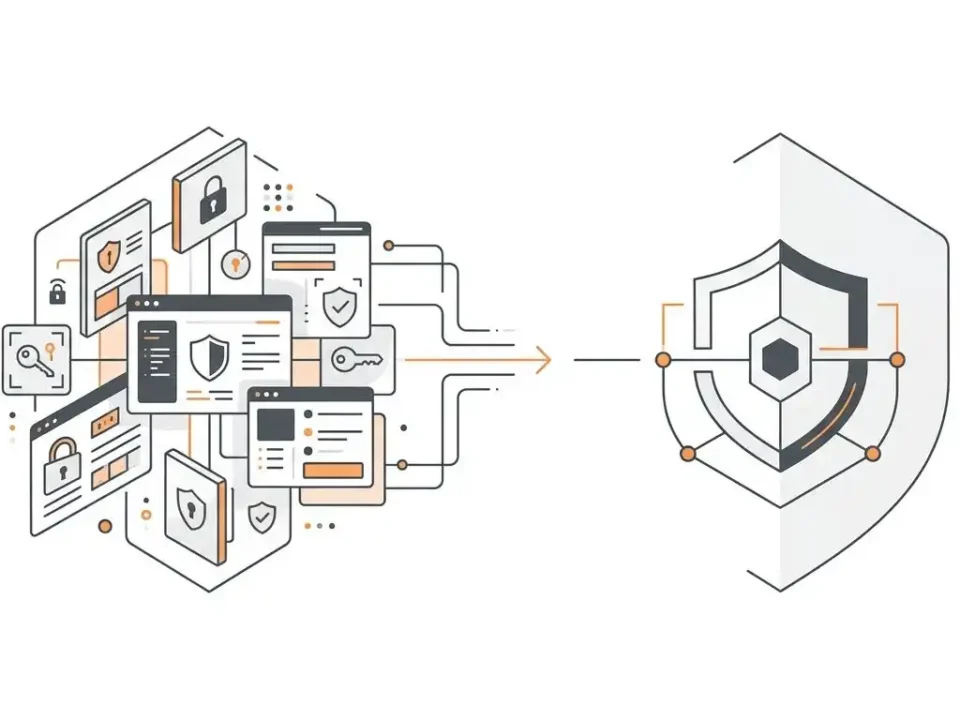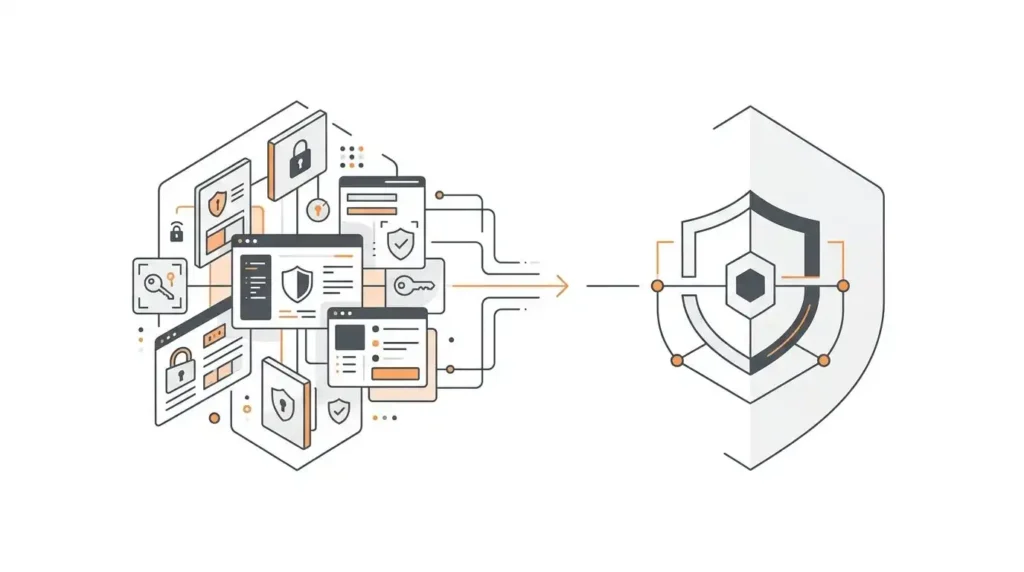

Cybersecurity Mesh Architecture: The Future of Network Defense?

Cloud vs. On-Premise Network Management: Which One Is Right for You?

Understanding Network Protocols: How They Impact Security and Performance
Introduction
In the realm of digital communication, network protocols serve as the foundational rules that enable devices to exchange data seamlessly. These protocols not only facilitate interoperability but also significantly influence the security and performance of networked systems. For professionals involved in network systems administration, a deep understanding of these protocols is essential to maintain robust and efficient networks.
What Are Network Protocols?
Network protocols are established sets of rules that dictate how data is transmitted and received across networks. They ensure that devices, regardless of manufacturer or operating system, can communicate effectively. Common examples include:
- Transmission Control Protocol/Internet Protocol (TCP/IP): The backbone of internet communications, managing how data packets are sent and received.
- Hypertext Transfer Protocol Secure (HTTPS): Secures data exchange between web browsers and servers through encryption.
- File Transfer Protocol (FTP): Facilitates the transfer of files between client and server on a network.
- Simple Mail Transfer Protocol (SMTP): Manages the transmission of emails across networks.
These protocols operate at various layers of the OSI (Open Systems Interconnection) model, each contributing to the overall functionality and security of data transmission.
The Role of Network Protocols in Security
Network protocols are pivotal in establishing secure communication channels. However, if not properly configured or updated, they can introduce vulnerabilities. Key security considerations include:
- Encryption Mechanisms: Protocols like HTTPS and SSL/TLS encrypt data, protecting it from interception and tampering. Implementing these protocols is crucial for safeguarding sensitive information.
- Authentication Processes: Protocols often include authentication steps to verify the identities of devices and users, preventing unauthorized access.
- Vulnerability Management: Outdated protocols or misconfigurations can be exploited by malicious actors. Regular updates and patches are essential to mitigate these risks.
Effective network administration involves continuous monitoring and updating of protocols to address emerging threats and ensure compliance with security standards.
How Network Protocols Influence Performance
The design and implementation of network protocols directly affect network performance. Factors influencing this include:
- Data Transmission Efficiency: Protocols determine how data packets are structured and transmitted. Efficient protocols reduce latency and increase throughput.
- Error Handling: Protocols with robust error detection and correction mechanisms enhance data integrity but may introduce additional overhead, affecting speed.
- Congestion Control: Mechanisms within protocols manage network traffic to prevent bottlenecks, balancing load and maintaining optimal performance.
For instance, while TCP ensures reliable data transmission through acknowledgment packets and retransmissions, it may introduce latency. Conversely, UDP offers faster transmission by foregoing certain reliability checks, which can be advantageous for time-sensitive applications but may compromise data integrity.
Optimizing Security and Performance Through Protocol Management
Balancing security and performance requires strategic protocol management:
- Regular Updates and Patch Management: Keeping protocols up-to-date addresses known vulnerabilities and enhances performance.
- Protocol Selection: Choosing the appropriate protocol based on application needs is vital. For example, using UDP for live streaming to minimize latency, while employing TCP for file transfers to ensure data accuracy.
- Encryption Offloading: Implementing SSL/TLS offloading can improve performance by handling encryption processes on dedicated hardware, reducing the burden on primary servers.
Effective network systems administration involves continuous assessment and optimization of protocols to align with organizational objectives and security policies.
The Role of Network Administration in Protocol Management
Network administrators play a crucial role in managing protocols to maintain secure and efficient networks:
- Monitoring Traffic: Utilizing tools to analyze protocol usage helps in identifying anomalies and potential security threats.
- Implementing Security Measures: Applying firewalls, intrusion detection systems, and encryption to protect data transmitted over various protocols.
- Ensuring Compliance: Adhering to industry standards and regulations, such as GDPR or HIPAA, which often mandate specific protocol implementations.
In complex network environments, organizations may need to hire system admin professionals with specialized expertise to manage and optimize protocol configurations effectively.
Emerging Protocols and Their Impact on Security and Performance
The evolution of network protocols continues to shape the landscape of digital communication:
- HTTP/3 and QUIC: Designed to reduce latency and improve security, these protocols streamline data transmission and enhance user experience.
- Enhanced Security Protocols: Developments in TLS 1.3 offer improved encryption with reduced handshake times, bolstering security without compromising performance.
- Integration of AI and Machine Learning: Emerging protocols are beginning to incorporate AI to dynamically adjust to network conditions, optimizing both security and performance.
Staying abreast of these developments is essential for network professionals aiming to implement cutting-edge solutions that meet the growing demands for speed and security.
Conclusion
Network protocols are the unsung heroes of modern communication, underpinning both the security and performance of digital interactions. For those involved in network systems administration, a comprehensive understanding of these protocols is indispensable. By effectively managing and optimizing protocol implementations, organizations can ensure robust security measures and high-performance standards, meeting the ever-evolving challenges of today’s interconnected world.
Sourses
· Network Design for Effective Security and Performance Simplified