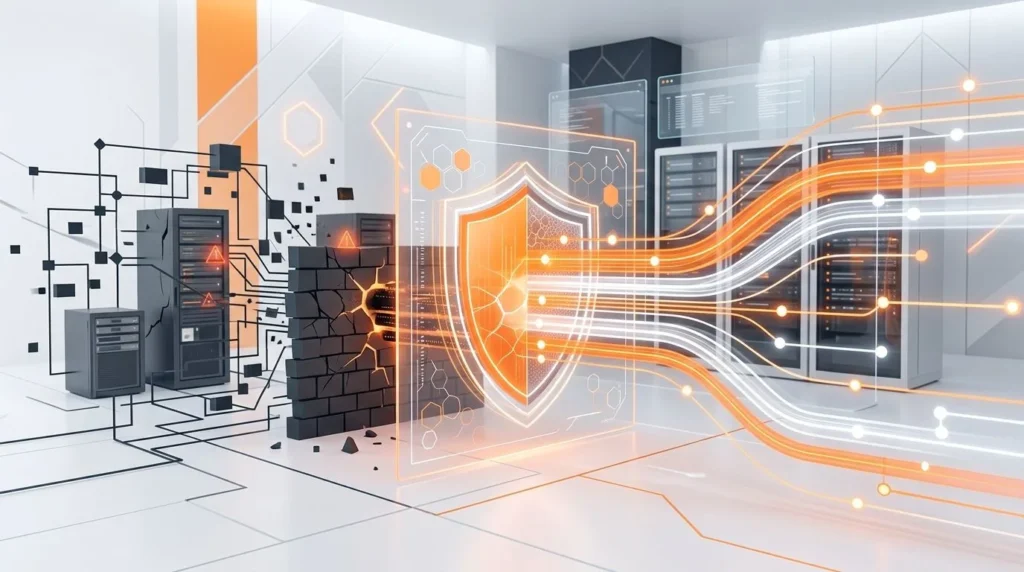

The Role of Web Application Firewalls in Modern Cybersecurity Strategies
The Importance of IT Hygiene in Protecting Enterprise Infrastructure

How Managed SIEM Services Improve Threat Detection and Response
Introduction
Organizations are increasingly challenged to detect and respond to security incidents as cyber threats become more sophisticated and widespread. Establishing and maintaining a robust Security Information and Event Management (SIEM) system internally can demand significant resources and technical expertise. Managed SIEM services provide a practical solution by delivering expert oversight and advanced technologies to bolster an organization’s security defenses.
Understanding Managed SIEM Services
Definition:
Managed SIEM services represent an outsourced approach to managing and monitoring an organization’s Security Information and Event Management (SIEM) system. These services enable continuous oversight of security activities, ensuring real-time detection and response to threats without requiring dedicated in-house teams. Organizations benefit from expert knowledge, reduced operational burdens, and the ability to focus on their core business operations while maintaining robust security measures.
For instance, SentinelOne highlights that managed SIEM providers deliver 24/7 monitoring, advanced threat intelligence integration, and detailed reporting to ensure comprehensive protection.
Key Components of Managed SIEM Services
- Real-Time Monitoring
Managed SIEM services provide round-the-clock monitoring of networks, endpoints, and critical systems. This ensures the early identification of potential threats before they can escalate into significant security incidents. Continuous monitoring also delivers insights into unusual patterns, such as unauthorized access attempts or abnormal traffic spikes. - Advanced Analytics
Leveraging machine learning and behavioral analysis, managed SIEM solutions identify anomalies and sophisticated attack techniques. These capabilities allow organizations to detect threats that traditional security tools might miss. - Threat Intelligence Integration
Incorporating real-time threat intelligence into SIEM platforms enhances detection capabilities by correlating internal security data with global threat trends. Managed SIEM providers stay updated on the latest vulnerabilities and attack vectors, ensuring the organization’s defenses remain current. This integration allows for quicker identification of threats and more informed decision-making during incident response.
Enhancing Threat Detection
Comprehensive Visibility
Managed SIEM services excel at aggregating and analyzing security data from a wide range of sources, including network devices, endpoints, cloud platforms, and applications. This unified approach eliminates silos, providing organizations with a centralized view of their entire security landscape. Comprehensive visibility enables security teams to identify anomalies, detect potential threats, and respond more effectively to incidents.
Proactive Threat Hunting
One of the standout advantages of managed SIEM services is their ability to go beyond passive monitoring and engage in proactive threat hunting. Leveraging advanced analytics and real-time threat intelligence, these services identify and mitigate potential threats before they escalate into security incidents.
CrowdStrike emphasizes that proactive threat hunting involves identifying indicators of compromise (IOCs) and patterns of malicious behavior that might otherwise bypass traditional security tools. By detecting and neutralizing threats early, managed SIEM services significantly reduce the risk of breaches and minimize downtime.
Improving Incident Response
Automated Responses
Managed SIEM services incorporate automation to streamline and accelerate incident response. When a potential threat is detected, predefined workflows can trigger automated actions, such as isolating a compromised device, blocking malicious IP addresses, or escalating the issue for further investigation. Automation minimizes response time, reducing the impact of an attack and allowing security teams to focus on high-priority tasks.
Expert Analysis
Managed SIEM services provide access to highly skilled cybersecurity professionals who specialize in interpreting complex security events. These experts analyze data patterns, correlate events, and provide actionable insights to mitigate risks. This human element complements automated processes, ensuring that nuanced or advanced threats, which require critical thinking, are effectively addressed.
Role of Cybersecurity Consulting Services
Assessment and Implementation
Cybersecurity consulting services are essential for helping organizations integrate managed SIEM solutions effectively. Consultants begin by assessing the organization’s current security infrastructure, identifying weaknesses, and defining the requirements for an optimized security setup. They ensure that the implementation of managed SIEM aligns with the organization’s operational needs and compliance obligations, enabling a seamless integration into existing systems.
Continuous Improvement
To maintain the effectiveness of managed SIEM solutions, ongoing optimization is necessary. Cybersecurity consulting services provide periodic reviews and updates to adapt configurations to the latest threat intelligence and evolving attack methods. Additionally, consultants offer strategic advice on scaling managed SIEM solutions as the organization grows, ensuring the system remains robust and efficient. This continuous support helps organizations maintain a proactive security posture in the face of an ever-changing threat landscape.
Benefits of Managed SIEM Services
Cost Efficiency
Implementing and maintaining an in-house SIEM system can be resource-intensive, requiring significant investments in infrastructure, software, and skilled personnel. Managed SIEM services alleviate this burden by offering a cost-effective alternative. Organizations can access advanced tools and expertise without the need for substantial upfront costs, reducing their overall security expenditure while maintaining a high level of protection.
Scalability
As organizations grow, their security needs evolve. Managed SIEM services are designed to scale alongside these changes, accommodating additional data sources, increased traffic, and more complex infrastructures. This flexibility ensures that security measures remain effective, even as the organization expands its operations or adopts new technologies, such as cloud services or Internet of Things (IoT) devices.
Compliance Support
For many industries, adhering to regulatory requirements is non-negotiable. Managed SIEM services help organizations meet standards such as GDPR, HIPAA, and PCI DSS by offering comprehensive monitoring, reporting, and incident response capabilities. These services ensure that organizations can provide audit trails and demonstrate their commitment to protecting sensitive data, reducing the risk of regulatory penalties.
Selecting the Right Managed SIEM Provider
Expertise and Experience
When choosing a managed SIEM provider, it is essential to assess their expertise and track record in delivering robust security solutions. Providers with extensive experience across various industries can better address unique organizational challenges and align their offerings with specific business requirements.
Integration Capabilities
Seamless integration is a key factor in the effectiveness of managed SIEM services. The chosen solution should easily connect with the organization’s existing security tools and infrastructure, such as firewalls, intrusion detection systems (IDS), and Security Information and Event Management (SIEM) platforms. This unified approach ensures smooth operations and comprehensive visibility across all security layers.
Service Level Agreements (SLAs)
A well-defined SLA is crucial to establish clear expectations and accountability between the organization and the provider. SLAs should specify response times, monitoring coverage, reporting frequency, and escalation procedures, ensuring that both parties understand their responsibilities and that the organization receives consistent, reliable service.
Conclusion
Managed SIEM services provide a strategic advantage in today’s dynamic cyber threat environment. By offering continuous monitoring, advanced analytics, and expert support, these services significantly improve an organization’s ability to detect and respond to threats. Additionally, their cost-efficiency, scalability, and compliance support make them an invaluable asset for businesses of all sizes.
Selecting the right provider ensures that the solution is tailored to the organization’s needs and integrated seamlessly into its existing infrastructure. With managed SIEM services, organizations can focus on their core operations, confident in their ability to defend against even the most sophisticated cyber threats.
Sources
- “What Is Managed SIEM?” Retrieved from crowdstrike.com
- “SIEM as a Service: Key Benefits & Best Practices.” Retrieved from sentinelone.com
- “Best Practices for Implementing Managed SIEM Services.” Retrieved from cynet.com
- “How Managed SIEM Services Improve Threat Detection.” Retrieved from cybersecop.com