
Why Cloud Security Monitoring Solutions Are Essential for Enterprises

How Managed SIEM Services Improve Threat Detection and Response

The Role of Web Application Firewalls in Modern Cybersecurity Strategies
Introduction
As web applications become essential to modern enterprises, they also become prime targets for cyber threats like SQL injection, cross-site scripting (XSS), and Distributed Denial of Service (DDoS) attacks. To combat these sophisticated risks, organizations need tailored security measures beyond traditional firewalls.
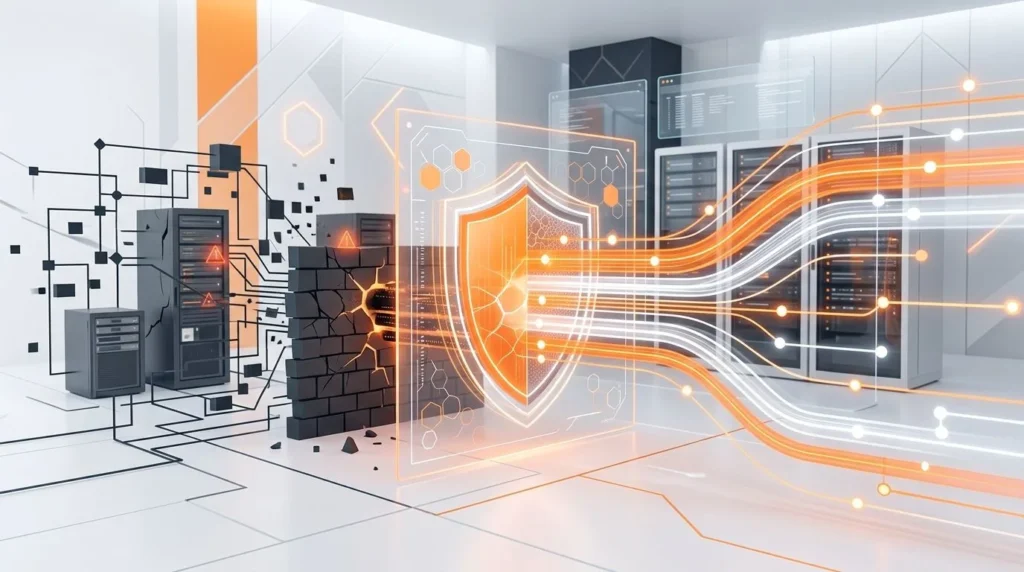
A Web Application Firewall (WAF) provides a critical layer of protection, focusing on the application layer to monitor, filter, and block malicious traffic in real-time. This article explores the importance of WAFs in cybersecurity strategies, highlighting their role in safeguarding data, ensuring compliance, and maintaining business continuity.
Understanding Web Application Firewalls
A Web Application Firewall (WAF) is a specialized security solution that focuses on protecting web applications from cyber threats by analyzing, monitoring, and filtering HTTP/HTTPS traffic. Unlike traditional firewalls that concentrate on securing the network perimeter, WAFs operate at the application layer, targeting vulnerabilities inherent in web applications.
WAFs act as a gatekeeper, scrutinizing incoming and outgoing data to identify malicious activities. Common threats they defend against include:
- SQL Injection: Where attackers manipulate database queries to gain unauthorized access to sensitive data.
- Cross-Site Scripting (XSS): Exploits that inject malicious scripts into web pages viewed by users.
- Distributed Denial of Service (DDoS) Attacks: Overwhelms applications with excessive traffic, causing disruption or downtime.
By intercepting these threats before they reach the application, WAFs ensure not only data security but also the stability and functionality of web-based services.
Key Features of a WAF
- Real-Time Monitoring: Continuous surveillance of application traffic to detect and mitigate anomalies instantly.
- Customizable Security Rules: Organizations can tailor rules to suit their specific application environment and threat profile.
- Behavioral Analysis: Advanced WAFs, such as Radware’s Cloud Web Application Firewall, leverage machine learning to adapt to new and evolving threats.
- Scalability: WAFs are designed to handle the fluctuating demands of modern web applications, whether hosted on-premises or in the cloud.
By focusing on the nuances of web application security, WAFs provide an essential layer of protection that traditional security measures cannot achieve.
The Role of WAFs in Modern Cybersecurity Strategies
Enhanced Security Posture
A Web Application Firewall(WAF) serves as a proactive line of defense, safeguarding web applications against sophisticated threats at the application layer. By identifying and blocking malicious requests such as SQL injections, cross-site scripting (XSS), and DDoS attacks, WAFs protect sensitive data and reduce the risk of breaches. Unlike reactive measures that address threats after damage has occurred, WAFs prevent vulnerabilities from being exploited in the first place. This proactive approach significantly enhances the overall security posture of an organization.
Regulatory Compliance
WAFs are instrumental in helping organizations meet data protection requirements such as GDPR, HIPAA, and PCI DSS. These regulations mandate strict measures to safeguard sensitive information like customer data, financial records, and personal health information. A web application firewall ensures compliance by monitoring traffic, preventing data leaks, and generating detailed logs for audits. For industries with stringent compliance standards, a WAF acts as a critical component in demonstrating accountability and maintaining trust.
Business Continuity
The uninterrupted availability of web applications is vital for maintaining customer trust and ensuring operational stability. WAFs play a pivotal role in business continuity by mitigating Distributed Denial of Service (DDoS) attacks and other disruptive threats. For example, Radware’s Cloud Web Application Firewall is specifically designed to handle large-scale DDoS attacks, ensuring consistent application uptime and performance. With a WAF in place, enterprises can maintain seamless online services even under adverse conditions.
Selecting the Right WAF Solution
Deployment Models
Choosing the appropriate WAF solution depends on the organization’s infrastructure and specific requirements. The three main deployment models include:
- Cloud-Based WAFs: Ideal for scalability and ease of management, cloud-based WAFs offer flexibility, enabling businesses to scale their security as their applications grow. They also eliminate the need for on-premises hardware.
- On-Premises WAFs: Suitable for organizations that require full control over their security configurations. These are often preferred in highly regulated industries where data must remain within physical premises.
- Hybrid WAFs: These combine the benefits of cloud and on-premises solutions, offering both flexibility and control. Hybrid models are particularly useful for enterprises operating in complex environments with diverse security needs.
Customization and Flexibility
A tailored approach to application security is essential for addressing unique organizational needs. Radware’s customizable WAF solutions enable enterprises to define specific security rules and adapt to emerging threats. This flexibility ensures that the WAF aligns with the business’s operational and compliance requirements while providing optimal protection.
Integration Capabilities
Seamless integration with existing security tools is critical for maintaining a unified security posture. WAFs should work in tandem with Security Information and Event Management (SIEM) systems, intrusion detection systems (IDS), and other security platforms. Radware’s WAF solutions facilitate easy integration, allowing organizations to monitor and manage application security centrally. This unified approach enhances visibility, simplifies management, and reduces the complexity of maintaining a secure environment.
Best Practices for Implementing WAFs
Regular Updates
Keeping a WAF updated is essential for defending against the latest threats. Cybercriminals continuously evolve their methods, making real-time updates crucial to maintaining a strong security posture. WAFs, such as Radware’s Cloud Web Application Firewall, leverage real-time threat intelligence to adapt to emerging attack vectors and provide robust protection. Regular updates ensure that security policies remain effective against the latest vulnerabilities and exploit techniques.
Continuous Monitoring
To maximize the effectiveness of a WAF, organizations must implement continuous monitoring. Centralized management platforms, like those provided by Radware, allow enterprises to track application traffic in real-time and quickly respond to anomalies or suspicious behavior. This approach not only improves visibility but also facilitates quicker decision-making, ensuring threats are mitigated before they cause significant damage.
Security Testing
Periodic penetration testing and vulnerability assessments are essential for evaluating the performance and coverage of a WAF. These tests simulate real-world attack scenarios, allowing organizations to identify weaknesses in configurations or rules. Incorporating feedback from these tests helps refine the WAF’s settings, ensuring it remains effective against evolving threats.
Challenges in WAF Implementation
False Positives
One of the common challenges with WAF implementation is the occurrence of false positives, where legitimate traffic is incorrectly identified as malicious. This can disrupt user experience and potentially impact business operations. Radware addresses this issue through automated policy adjustments that fine-tune rules based on traffic patterns and behavior, reducing the likelihood of false positives.
Complex Configurations
Managing WAF configurations across multiple applications or environments can be daunting. Overlapping rules, inconsistent policies, and manual processes can lead to vulnerabilities. Radware’s user-friendly interface and centralized management capabilities simplify the process, allowing administrators to maintain consistent and efficient configurations across diverse deployments.
Resource Constraints
Many organizations, particularly small and mid-sized enterprises, face challenges due to limited budgets and a lack of cybersecurity expertise. Radware’s scalable solutions are designed to accommodate a variety of organizational sizes and budgets, offering flexible pricing models and managed services to bridge the resource gap.
Conclusion
In an era of ever-evolving cyber threats, the role of Web Application Firewalls in safeguarding enterprises cannot be overstated. WAFs serve as a crucial component of modern cybersecurity strategies, protecting web applications from advanced threats, ensuring compliance with regulatory standards, and maintaining business continuity.
For organizations seeking to strengthen their defenses, investing in a robust WAF is a necessity. Partnering with a trusted cybersecurity company like Radware ensures access to advanced, scalable solutions that address both current and emerging threats. By taking a proactive approach to web application security, enterprises can maintain resilience and confidence in an increasingly complex digital landscape.
Sources
- Radware. (2024). Cloud Web Application Firewall Service. (radware.com)
- Akamai. (2024). What Is a Web Application Firewall?. (akamai.com)
- Palo Alto Networks. (2024). What Is a Web Application Firewall (WAF)?. (paloaltonetworks.com)