
Managed Security Services: Should You Outsource Your Data Protection?

Cybersecurity for Enterprise Systems: How to Protect Data and Minimize Risks
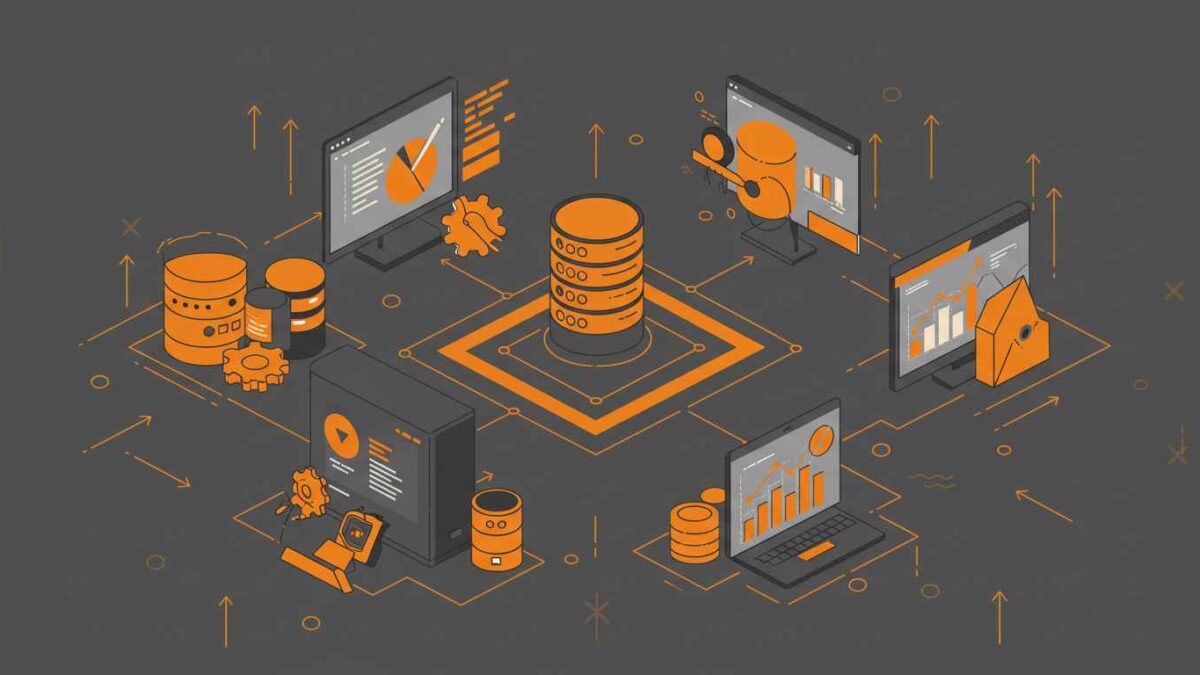
Optimizing Enterprise IT Infrastructure: How to Improve Efficiency and Security
Introduction
In the age of digital transformation, enterprises face the challenge of maintaining IT infrastructure that is both efficient and secure. The rapid evolution of cyber threats, increasing reliance on cloud computing, and demand for automation require a strategic approach to infrastructure management. This article outlines key strategies that businesses can adopt to optimize their IT infrastructure, including automation, cloud integration, and enhanced cybersecurity practices.
1. The Role of Automation in IT Infrastructure Optimization
Automation has emerged as a fundamental pillar in modern IT infrastructure, reducing human intervention and improving operational efficiency. By integrating intelligent automation, enterprises can streamline workflows, eliminate redundancies, and enhance system resilience.
Key Automation Strategies:
- Infrastructure as Code (IaC): Automating provisioning and management through tools like Terraform and Ansible ensures consistent configurations and minimizes manual errors.
- AI-powered Monitoring: Advanced machine learning algorithms detect anomalies, predict failures, and optimize system performance without human supervision.
- Automated Incident Response: Security orchestration and automated threat detection systems enable quick remediation of cyber threats, reducing downtime.
- Robotic Process Automation (RPA): RPA eliminates repetitive tasks, improving employee productivity while reducing operational costs.
2. Cloud Solutions: Enhancing Scalability and Agility
Cloud computing offers enterprises the flexibility to scale resources dynamically, reducing the reliance on costly on-premises infrastructure. Whether adopting public, private, or hybrid cloud models, organizations can significantly boost operational agility.
Benefits of Cloud Adoption:
- Elastic Scaling: Enterprises can adjust computing resources based on real-time workload demands, ensuring cost-effective utilization.
- Disaster Recovery and Business Continuity: Cloud-based redundancy and failover mechanisms protect critical business functions against unexpected disruptions.
- Enhanced Collaboration: Cloud solutions provide seamless accessibility, enabling remote teams to work efficiently and securely from any location.
- Serverless Computing: Reducing infrastructure maintenance by deploying applications without managing underlying servers accelerates innovation cycles.
3. Strengthening Enterprise Cybersecurity
With cyber threats growing in complexity, enterprises must implement proactive security frameworks to safeguard their IT assets. A well-structured security strategy mitigates risks, prevents data breaches, and ensures regulatory compliance.
Core Cybersecurity Strategies:
- Zero Trust Security Model: Authentication-based access eliminates implicit trust and continuously verifies identities before granting access.
- Endpoint Protection & Detection: Leveraging AI-driven endpoint security solutions enhances resilience against malware and advanced persistent threats (APTs).
- Threat Intelligence & Automated Security Monitoring: Integrating security analytics with real-time threat intelligence prevents potential breaches before they occur.
- Outsource IT Security Services: Entrusting security management to specialized service providers ensures enterprises receive expert threat mitigation, compliance support, and incident response.
4. The Strategic Importance of Enterprise Infrastructure Services and Outsource IT Security
Optimizing IT infrastructure requires specialized expertise, covering everything from network management to cybersecurity enforcement. Enterprise Infrastructure Services assist businesses in designing, deploying, and maintaining robust IT environments, ensuring seamless system operations. Additionally, Outsource IT Security services offer proactive threat detection, security assessments, and incident response frameworks, preventing vulnerabilities before they cause damage.
Conclusion
Enterprises seeking to enhance efficiency and security must adopt a multi-faceted approach to IT infrastructure optimization. By implementing automation, embracing cloud technologies, and fortifying cybersecurity measures, organizations can establish a resilient and future-proof digital ecosystem. Strategic partnerships with infrastructure specialists and security providers further strengthen enterprise security postures, ensuring long-term business success.